

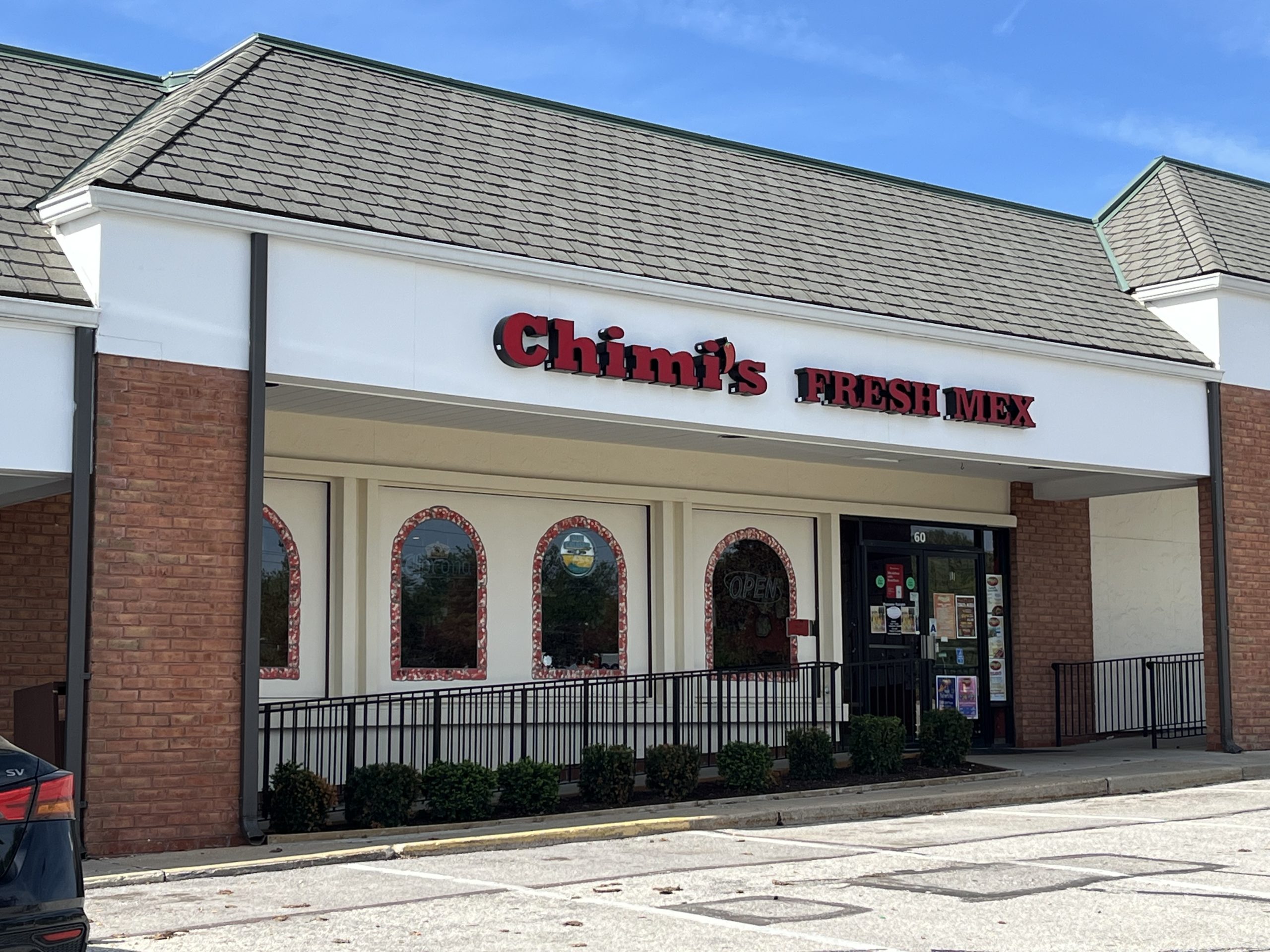
Chimi’s Fresh-Mex continues to grow across the St. Louis area with multiple convenient locations.
Known for consistent service, large portions, and a casual atmosphere, it remains a local favorite.
Its focus on reliability and accessibility has helped it stand out in a competitive restaurant market.
ST. LOUIS, MO (STL.News) Chimi’s Fresh-Mex has established itself as a recognizable and dependable name in the St. Louis restaurant scene. Known for its approachable menu, generous portions, and consistent service, the brand has grown into a multi-location staple serving communities across the metro area. For many residents, Chimi’s represents a reliable option for Mexican-inspired dining—whether it’s a quick lunch, a family dinner, or a casual night out.
Unlike large national chains, Chimi’s has maintained a strong regional identity. Its growth has been rooted in the suburbs and surrounding communities of St. Louis, allowing it to build loyal customer bases in each location while maintaining a consistent brand experience.
A Growing Presence Across St. Louis
One of the key reasons for Chimi’s continued success is its accessibility. Instead of relying on a single flagship location, the restaurant has expanded thoughtfully into multiple neighborhoods, making it convenient for customers throughout the region.
Current Chimi’s Fresh-Mex locations include:
- Chesterfield, Missouri – A popular location serving the west county area, known for steady traffic and a mix of families and business diners.
- Overland, Missouri (Woodson Road) – One of the more established locations, drawing a loyal customer base from surrounding communities.
- St. Peters, Missouri – Conveniently located for residents in St. Charles County, offering dine-in and carryout options.
- Florissant, Missouri – Serving North County with a consistent flow of regular customers.
- Wentzville, Missouri – A growing location that benefits from the rapid expansion of the Wentzville area.
- Bridgeton, Missouri – Positioned near major roadways, making it a convenient stop for both locals and travelers.
Each location follows the same general concept and menu, allowing customers to expect a similar experience regardless of which restaurant they visit. This consistency is a major factor in building trust and repeat business.
Menu Built for Broad Appeal
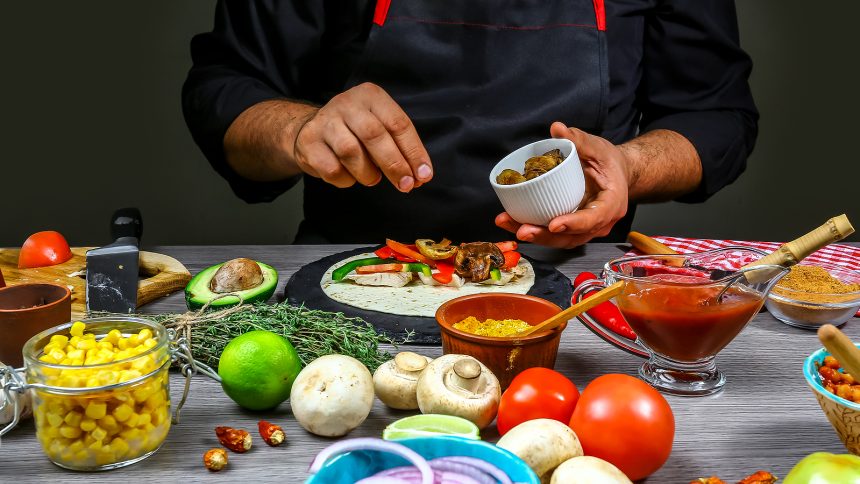
Chimi’s Fresh-Mex focuses on delivering familiar Mexican-inspired dishes with a strong emphasis on flavor, portion size, and value. The menu is designed to appeal to a wide range of tastes, from traditional options to more Americanized favorites.
Some of the most popular menu offerings include:
- Fajitas – Served sizzling with grilled meats, peppers, and onions, accompanied by rice, beans, and tortillas.
- Enchiladas – Available with various fillings and sauces, offering both traditional and Tex-Mex variations.
- Tacos – Including soft tacos, crispy tacos, and tacos al carbon with grilled meats.
- Burritos and Combo Plates – Large, filling dishes that combine multiple menu favorites.
- Seafood Options – Shrimp-based dishes that add variety beyond standard offerings.
- Vegetarian Choices – Simple but satisfying options like bean burritos and cheese enchiladas.
A complimentary serving of chips and salsa is standard at most tables, helping set the tone for a relaxed and welcoming dining experience. Margaritas and other traditional beverages are also highlights, especially in the evenings and on weekends.
A Comfortable and Reliable Dining Experience
Chimi’s locations are designed to be casual and easily accessible. The atmosphere is typically relaxed, making it suitable for families, groups, and individuals alike. The interiors are functional rather than overly elaborate, focusing more on comfort and efficiency than high-end presentation.
Customers often note several consistent aspects of the dining experience:
- Friendly and attentive service
- Quick food preparation times
- Clean and organized dining spaces
- A steady, energetic atmosphere without being overwhelming
These elements combine to create a dependable experience that keeps customers returning. In an industry where inconsistency can quickly damage a brand, Chimi’s ability to deliver a similar experience across multiple locations is a key strength.
Competing in a Crowded Market
The St. Louis region has no shortage of Mexican restaurants. From small, family-owned establishments to larger regional chains, diners have a wide range of choices. Chimi’s Fresh-Mex has carved out its niche by focusing on reliability and accessibility rather than competing on authenticity alone.
Its menu leans toward a Tex-Mex style that is familiar and widely appealing, making it an easy choice for groups with varied preferences. This approach allows the restaurant to attract a broad customer base, including families, office workers, and casual diners.
Consistency as a Business Strategy
One of the most important factors behind Chimi’s longevity is its commitment to consistency. While some restaurants focus heavily on innovation or trend-driven menus, Chimi’s has remained focused on delivering the same core experience across all locations.
This includes:
- Standardized menu offerings
- Similar pricing structures
- Consistent portion sizes
- Uniform service expectations
For customers, this means fewer surprises—and in the restaurant industry, that can be a major advantage. People know what they’re getting when they walk into a Chimi’s location, and that predictability builds trust over time.
Adapting to Modern Dining Trends
Like many restaurants, Chimi’s has adapted to changes in how people order and consume food. Carryout, curbside pickup, and delivery have become essential components of the business, particularly in recent years.
Most locations now offer:
- Online ordering
- Takeout and curbside pickup
- Delivery through third-party services
These options allow the brand to remain competitive in an environment where convenience is increasingly important.
Customer Loyalty and Community Presence
Chimi’s Fresh-Mex has built a strong base of repeat customers across the St. Louis region. Its presence across multiple communities has made it more than just a restaurant—it’s a familiar part of the local dining landscape.
Many customers return not just for the food, but for the overall experience. Whether it’s a regular lunch spot, a family dinner destination, or a casual gathering place, Chimi’s has positioned itself as a dependable choice.
Final Thoughts
Chimi’s Fresh-Mex continues to thrive by focusing on the fundamentals: good food, fair prices, and consistent service. Its expansion across multiple St. Louis-area locations has made it accessible to a wide audience, while its straightforward approach to dining keeps customers coming back.
In a competitive and ever-changing restaurant industry, Chimi’s stands out not by chasing trends but by delivering a reliable, satisfying experience—one that has earned it a lasting place in the St. Louis market.
Chimi’s Fresh Mex Expands Its Footprint Across the St. Louis Region
Chimi’s Fresh-Mex has become a recognizable and reliable name in the St. Louis restaurant market, building a strong presence through multiple locations and a consistent dining experience. Known for its approachable Mexican-inspired menu, generous portions, and casual atmosphere, the brand continues to attract steady traffic across the region.
Rather than positioning itself as a niche or high-end concept, Chimi’s has focused on delivering dependable food and service to a broad audience. That strategy has allowed the restaurant to grow across several key suburban markets while maintaining a loyal customer base.
Multiple Locations Strengthen Regional Presence
One of the defining strengths of Chimi’s Fresh-Mex is its wide geographic reach throughout the St. Louis metro area. By placing restaurants in high-traffic suburban communities, the brand has made itself easily accessible to both residents and commuters.
Current locations include:
- Chesterfield, Missouri – Serving West County, this location draws a mix of families, professionals, and shoppers from the surrounding retail corridors.
- Overland, Missouri (Woodson Road) – One of the more established locations, known for consistent volume and repeat customers.
- St. Peters, Missouri – Positioned in St. Charles County, this restaurant benefits from rapid population growth and strong residential density.
- Florissant, Missouri – A key North County location that has built long-term customer loyalty.
- Wentzville, Missouri – Located in one of the fastest-growing areas in the region, this site continues to gain traction with new residents.
- Bridgeton, Missouri, is conveniently situated near major highways, making it accessible for both local diners and travelers.
Each location follows the same core model, offering a consistent menu and service style that customers can rely on regardless of which restaurant they visit.
A Menu Designed for Consistency and Value
Chimi’s Fresh-Mex centers its menu around familiar, crowd-pleasing dishes that prioritize flavor and portion size. The offerings are designed to appeal to a wide range of diners, making it a practical choice for groups and families.
Menu highlights include:
- Sizzling fajitas with grilled meats and vegetables
- Enchiladas with a variety of sauces and fillings
- Soft and crispy tacos, including grilled options
- Large burritos and combination plates
- Shrimp and seafood selections
- Simple vegetarian dishes, such as bean and cheese options
Meals are typically served with chips and salsa, which has become a signature part of the dining experience. Margaritas and other traditional beverages also contribute to the restaurant’s appeal, particularly during evenings and weekends.
Casual Atmosphere with Broad Appeal
Chimi’s locations are designed to be comfortable and welcoming without being overly formal. The focus is on creating a relaxed environment where customers can enjoy a meal without unnecessary complexity.
Common characteristics across locations include:
- Fast and efficient service
- Clean, well-maintained dining areas
- A casual, family-friendly setting
- Consistent presentation and food quality
This approach makes Chimi’s a versatile option, suitable for everything from quick lunches to group dinners.
Standing Out in a Competitive Market
The St. Louis area offers a wide range of Mexican dining options, from authentic taquerias to larger regional chains. Chimi’s Fresh-Mex has carved out its place by focusing on reliability rather than competing solely on authenticity.
Its menu leans toward a Tex-Mex style that is widely recognized and easy for customers to enjoy. This positioning allows the restaurant to appeal to a broader audience, including those seeking familiar flavors and consistent quality.
Consistency Drives Long-Term Success
In the restaurant industry, consistency is often more valuable than innovation. Chimi’s Fresh-Mex has built its brand on delivering a consistent experience across all locations, helping establish trust with its customer base.
This consistency includes:
- Uniform menu offerings across locations
- Reliable portion sizes and pricing
- Standardized service expectations
- A predictable overall dining experience
Customers know what to expect when they visit, and that reliability encourages repeat business.
Adapting to Changing Dining Habits
As consumer preferences have shifted toward convenience, Chimi’s has adapted by offering multiple ordering options. These include takeout, curbside pickup, and delivery services, allowing the restaurant to remain competitive in a changing market.
The ability to serve both dine-in and off-premise customers has become essential, and Chimi’s has integrated these options without compromising its core dining experience.
A Continued Presence in the St. Louis Market
Chimi’s Fresh-Mex remains a steady presence in the St. Louis restaurant landscape. Its growth across multiple suburban locations reflects a strategy built on accessibility, consistency, and broad appeal.
While trends in the restaurant industry continue to evolve, Chimi’s has maintained its position by focusing on fundamentals—serving dependable food in a comfortable setting at a reasonable price.
Final Takeaway
Chimi’s Fresh-Mex has earned its place as a regional favorite by delivering exactly what many diners are looking for: consistency, convenience, and satisfying meals. With multiple locations throughout the St. Louis area, it continues to serve a wide audience while maintaining the qualities that built its reputation.
In a competitive market where many restaurants struggle to maintain stability, Chimi’s stands out by doing the basics well—and doing them consistently.
This article is NOT sponsored or paid for by Chimi’s.
CLICK to read a follow up article published on St. Louis Restaurant Review – STLRR.
More Entertainment News published on STL.News:
- Why Casinos Need Cross-Device Compatibility for Their Games
- What Are Paylines In Online Slots?
- Zapp Thai Restaurant in Edwardsville Remains Open and Serving Customers Daily
- Mayor Spencer Delivers State of the City Address Amid Disruptions
- Zapp Noodle Thai Restaurant in O’Fallon, Illinois, Continues to Serve Loyal Customers
© 2026 St. Louis Media, LLC d.b.a. STL.News. All rights reserved. No content may be copied, republished, distributed, or used in any form without prior written permission. Unauthorized use may result in legal action. Some content may be created with AI assistance and is reviewed by our editorial team. For official updates, visit STL.News.