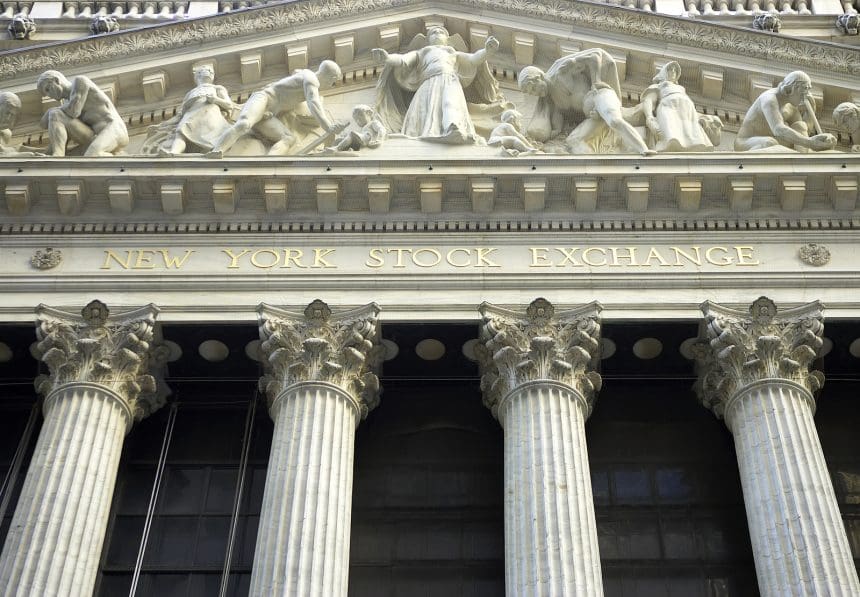
U.S. Financial Markets Closed on January 1, 2026, as Wall Street Observes New Year’s Day
(STL.News) U.S. Financial Markets – As Americans welcome the start of 2026, investors across the country will encounter a familiar pause in market activity. U.S. financial markets, including significant stock exchanges and bond markets, are closed on Thursday, January 1, 2026, in observance of New Year’s Day. The holiday shutdown offers a brief moment of reflection after a year of volatile trading, shifting economic policy, and renewed debate over the direction of the U.S. economy.
For traders, institutional investors, retirement savers, and everyday Americans watching their portfolios, the closure is routine but still significant. It marks the official end of the prior trading year and sets the stage for what many expect to be a consequential opening session when markets reopen.
U.S. Financial Markets – A Standard Market Holiday With Broad Impact
New Year’s Day is one of the core holidays recognized by U.S. financial markets each year. On January 1, trading on major U.S. stock exchanges is suspended, and most bond markets are also closed. This includes equities, exchange-traded funds (ETFs), options, and most fixed-income securities.
While market closures are common during federal holidays, New Year’s Day holds special symbolic importance. It represents both a clean break from the prior year and a reset for investors, as they adjust strategies, reallocate portfolios, and respond to new economic data expected in early January.

Unlike some holidays where trading hours are shortened or limited to specific markets, New Year’s Day results in a full-day shutdown across nearly all U.S. financial markets.
U.S. Financial Markets – When Trading Resumes
Regular trading activity is scheduled to resume on Friday, January 2, 2026. That first trading day of the year often attracts heightened attention from investors and analysts alike. Opening sessions in January are frequently viewed as a bellwether for broader market sentiment, even though long-term trends are rarely determined by a single day of trading.
Historically, the first trading week of the year tends to see increased volume as institutional investors deploy new capital, mutual funds rebalance holdings, and retail traders return after the holiday break.
U.S. Financial Markets – A Look Back at Year-End Trading
The closure on January 1 follows a typically shortened, quieter period of trading at the end of December. As the calendar year winds down, many professional traders step back, corporate news slows, and market volume declines. This lull often leads to thinner trading conditions, which can amplify price movements even when the underlying news is limited.
Tax-related strategies, including tax-loss harvesting and portfolio rebalancing, also influence year-end trading. By the time markets close on December 31, many of these adjustments have already taken place, leaving January 2 as the true starting line for new investment strategies.
U.S. Financial Markets – Bond Markets and Other Financial Activity
In addition to stock exchanges, U.S. bond markets also observe the New Year’s Day holiday. This includes most government and corporate bond trading. The closure affects pricing, settlement schedules, and some institutional transactions, although many financial institutions continue to operate internally.
Banks, investment firms, and brokerage houses may operate on reduced schedules, and settlement timelines for trades placed in late December or early January may be adjusted accordingly. Investors planning transfers, withdrawals, or large transactions are often advised to account for the holiday when managing cash flow and settlement expectations.
U.S. Financial Markets – Global Markets Continue Trading
While U.S. markets are closed on January 1, the global financial system does not come to a complete halt. Some international markets reopen earlier in the new year, depending on local holidays and regional observances. This means global economic developments, geopolitical events, or overseas market movements may still occur while U.S. markets are closed.
When U.S. trading resumes, investors may need to digest global developments that unfolded during the holiday. Currency markets and specific international futures markets may also exhibit limited activity, providing early signals ahead of the U.S. reopening.
U.S. Financial Markets – Why Market Holidays Matter to Investors
Market holidays are more than just days off for traders. They play a role in risk management, liquidity planning, and investor psychology. With markets closed, price discovery pauses, which can temporarily reduce volatility but also delay reactions to breaking news.
For long-term investors, the holiday closure is usually inconsequential. However, for active traders, businesses managing hedging strategies, and investors watching short-term market movements, the pause requires planning and patience.
Market holidays also offer a natural opportunity to review financial goals, assess performance, and reset expectations for the year ahead.
U.S. Financial Markets – Economic Expectations Heading Into 2026
As markets prepare to reopen after New Year’s Day, attention quickly shifts to the economic calendar. Early January often brings closely watched data releases, including employment figures, inflation updates, and manufacturing activity. These reports frequently shape market sentiment in the opening weeks of the year.
Policy signals from Washington, central bank guidance, and global economic conditions also weigh heavily on investor outlooks. Entering 2026, many market participants are closely monitoring interest rates, government spending priorities, and international trade dynamics.
The first trading sessions of the year often reflect a combination of optimism, caution, and recalibration as investors adjust to updated forecasts and emerging trends.
U.S. Financial Markets – What Retail Investors Should Know
For everyday investors, the New Year’s Day closure serves as a reminder to check brokerage schedules, confirm account access, and avoid last-minute assumptions about trading availability. While online platforms remain accessible, trade execution does not occur during market hours.
Investors planning contributions to retirement accounts, portfolio adjustments, or new investments may choose to prepare orders in advance for execution when markets reopen. Others may take advantage of the break to review asset allocation, reassess risk tolerance, or consult financial advisors.
A Pause Before the Pace Picks Up
Although January 1, 2026, marks the end of U.S. financial markets, the pause is brief. Within 24 hours, trading floors, electronic exchanges, and market participants will return to full activity.
The closure offers a moment of calm before the pace of economic news, earnings reports, and policy developments accelerates. For Wall Street and Main Street alike, it marks the ceremonial turning of the page to a new financial chapter.
As 2026 begins, investors will once again test assumptions, chase opportunities, and navigate risks—starting when markets reopen on January 2.
Related articles published on STL.News:
- Missouri Laws Taking Effect January 1, 2026
- Illinois Laws Taking Effect January 1, 2026
- US Holiday Schedule: Christmas Closures for Markets & Banks
© 2025 STL.News/St. Louis Media, LLC. All Rights Reserved. Content may not be republished or redistributed without express written approval. Portions or all of our content may have been created with the assistance of AI technologies, like Gemini or ChatGPT, and are reviewed by our human editorial team. For the latest news, head to STL.News.