Iran Warns of Immediate Retaliation if the U.S. Attacks as Trump Signals Military Readiness and Diplomacy
Escalating Rhetoric Raises Global Alarm
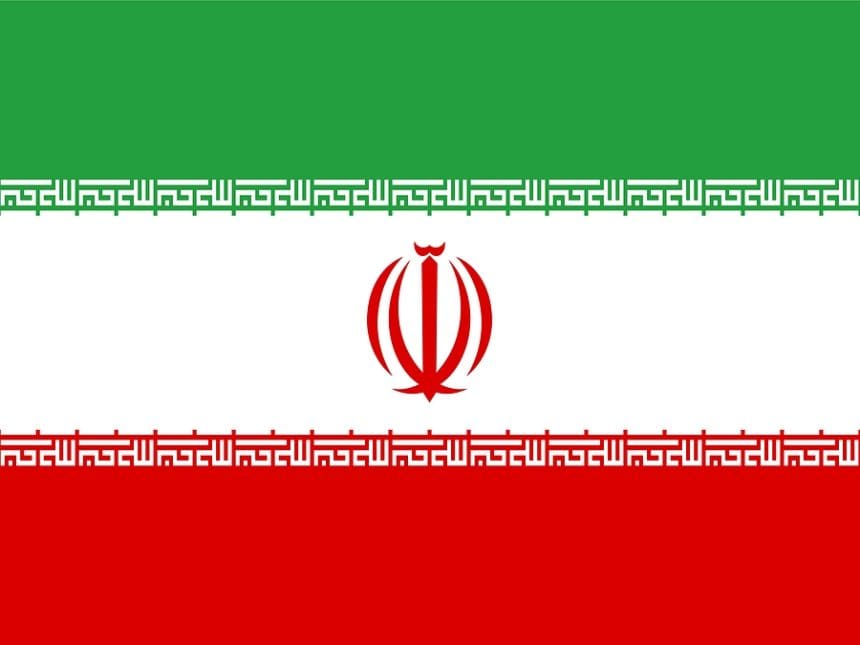
(STL.News) Iran’s warning that it has its “finger on the button” if the United States launches an attack has intensified global concerns over the possibility of a broader conflict in the Middle East. The statement, delivered amid heightened regional tension, is widely viewed as a deliberate signal of readiness and deterrence rather than a declaration of immediate war.
The rhetoric has now drawn a public response from former U.S. President Donald Trump, who has acknowledged the threat while emphasizing both American military preparedness and the possibility of diplomatic engagement.
Together, the exchange underscores how quickly words alone can raise the stakes in an already volatile geopolitical environment.

What Iran Is Signaling With Its Warning
Iran’s use of the phrase “finger on the button” is not meant to suggest a literal nuclear launch mechanism. Instead, it is a metaphor that conveys several strategic messages at once.
Primarily, Iran is signaling immediate operational readiness. The statement implies that Iranian forces would not hesitate or delay if they believed the U.S. had initiated military action. It also suggests that Iran’s response would not be limited to a single battlefield or type of weapon.
Iran’s military doctrine emphasizes layered retaliation, which could include missile strikes, naval operations in key waterways, cyber actions, and responses carried out by allied groups across the region. The goal of such messaging is to increase the perceived cost of any U.S. strike and discourage escalation before it begins.
Trump’s Response: Deterrence Paired With Diplomacy
Donald Trump has responded publicly to Iran’s warning by striking a familiar tone that blends military strength with negotiation. In recent remarks, Trump emphasized that the United States maintains overwhelming military capabilities in the region and that American forces are positioned to respond decisively if threatened.
He referenced the movement and presence of U.S. naval assets as a clear signal that Washington is prepared to defend its interests and personnel. At the same time, Trump stopped short of calling for immediate military action and indicated that diplomatic channels have not been closed.
Trump has stated that he believes Iran understands the consequences of direct confrontation with the United States, while also suggesting that talks remain possible if Iran chooses a different path. This dual-track message reflects a strategy aimed at deterrence without committing to war.
Does Iran Have Nuclear Weapons?
The heightened rhetoric has revived public concern about Iran’s nuclear capabilities. Despite frequent speculation, there is no confirmed evidence that Iran possesses a nuclear weapon.
Iran is widely regarded as a nuclear threshold state, meaning it has developed advanced nuclear technology and enriched uranium at high levels. However, enriching uranium is not the same as producing a deployable nuclear weapon. Weaponization would require additional steps, testing, and integration that have not been publicly confirmed.
Importantly, Iran’s recent threat does not explicitly reference nuclear weapons. The warning is more accurately understood as a reference to conventional and asymmetric capabilities rather than an imminent nuclear strike.
Regional Consequences of a U.S.–Iran Conflict
Any direct conflict between the United States and Iran would almost certainly extend beyond their borders. Iran’s strategic posture is built around regional deterrence, meaning retaliation could involve U.S. assets and interests throughout the Middle East.
Key shipping lanes, including those critical to global energy markets, could be disrupted. Military installations, allied facilities, and regional infrastructure would face elevated risk. Even a limited exchange could send shockwaves through global oil markets and financial systems.
Trump’s emphasis on military readiness appears designed to prevent such outcomes by discouraging Iran from miscalculating U.S. resolve.
Messaging for Multiple Audiences
Iran’s warning and Trump’s response are not directed solely at each other. Both messages are aimed at multiple audiences simultaneously.
Iran’s leadership is speaking to domestic audiences by projecting strength and vigilance. It is also signaling to regional governments that cooperation with U.S. military action could carry consequences.
Trump’s statements serve to reassure American allies, deter adversaries, and reassure domestic audiences that the U.S. retains military dominance while still preferring to avoid unnecessary conflict.
This layered communication reflects the complexity of modern geopolitical standoffs, where perception can be as influential as action.
The Danger of Miscalculation
The most serious risk in moments like this is not intentional war, but miscalculation. Elevated rhetoric, military forces on high alert, and compressed decision timelines create an environment where small incidents can escalate rapidly.
History shows that conflicts often begin not with deliberate intent, but with misunderstandings, misread signals, or isolated events that spiral out of control. Both Iran’s warning and Trump’s response raise the stakes, making restraint and clear communication increasingly important.
Why This Matters to the Public
While the rhetoric may feel distant, the consequences would not be. A major conflict involving Iran and the United States would affect global energy prices, supply chains, financial markets, and national security priorities.
It would also reshape political discourse at home, redirecting attention and resources toward foreign conflict at a time when economic and domestic issues remain front and center for many Americans.
Understanding the meaning behind the statements helps the public distinguish between signaling and action—and recognize why moments like this demand caution.
A Tense Moment With Global Implications
Iran’s claim that it has its “finger on the button” and Trump’s response emphasizing military readiness while leaving diplomacy open reflect a familiar but dangerous pattern. Both sides are attempting to project strength without crossing the line into open conflict.
Whether this moment leads to renewed negotiations or further escalation will depend on decisions made behind closed doors in the days and weeks ahead. For now, the exchange serves as a reminder of how fragile global stability can be when rhetoric sharpens and trust erodes.
As the situation continues to unfold, the world will be watching closely—not just for what is said, but for what is done next.
More from Wikipedia.
Other news articles published on STL.News:
- Power and Internet Providers Are Failing Customers
- Riverview Mayor Michael Cornell Jr. Faces Lawsuits
- Police Say Killer Confessed, Victim’s Mother Asks Why Case Dropped
- State of the St. Louis Region – Public Opinion
- The Erosion of Accountability
© 2025 – St. Louis Media, LLC d.b.a. STL.News. All Rights Reserved. Content may not be republished or redistributed without express written approval. Portions or all of our content may have been created with the assistance of AI technologies, like Gemini or ChatGPT, and are reviewed by our human editorial team. For the latest news, head to STL.News.