


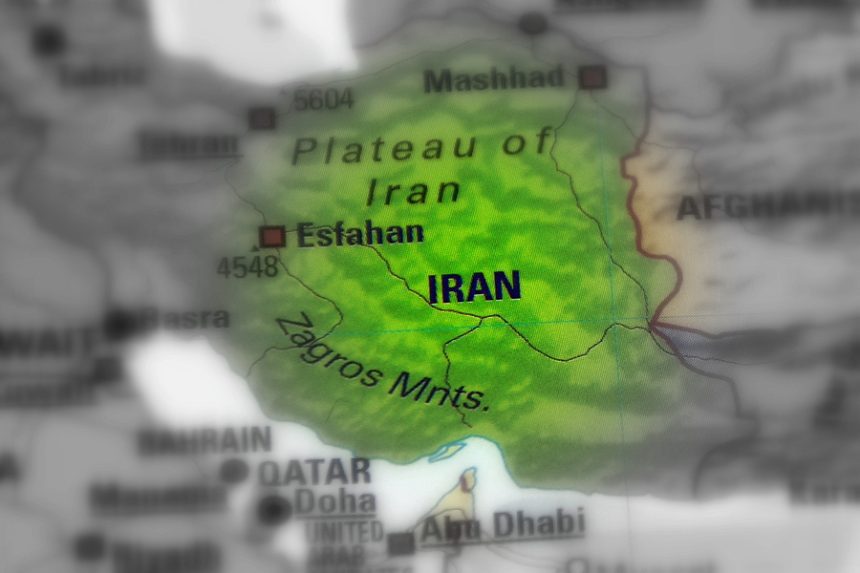
Iran War Update – President Donald Trump stated that the United States is “locked and loaded” for potential major new military strikes against Iran, signaling a possible massive escalation as regional conflicts widen into critical international shipping lanes and energy choke points.
July 25, 2026 (STL.News) Iran War Update – President Donald Trump announced during an Oval Office media briefing that the United States remains fully prepared to escalate military action against Iran, describing the nation’s armed forces as “locked and loaded” for a potentially unprecedented offensive. However, Trump noted that a definitive choice on executing a wider-scale military campaign has not yet been finalized, citing active diplomatic channels where Tehran is reportedly demonstrating increased seriousness at the negotiating table.
Iran War Update – Strait of Hormuz Standoff and CENTCOM Operations
The fresh warnings arrive on the heels of nearly two weeks of renewed military exchanges following the collapse of a short-lived truce. Hostilities have heavily disrupted traffic through the vital Strait of Hormuz, through which a significant share of global oil and gas normally transits. U.S. Central Command recently completed a sequence of intensive nighttime operations aimed at degrading Iranian capabilities to threaten commercial vessels.
Meanwhile, regional dynamics have grown increasingly volatile as Iranian forces and regional proxies respond with retaliatory attacks targeting infrastructure and positions linked to the U.S. military across allied Gulf states. Naval escorts and air defense systems are working around the clock to secure container ships and oil tankers traversing the Persian Gulf, yet insurance premiums and freight rates for maritime trade in the region have skyrocketed to historic highs.
Iran War Update – Houthi Escalation in the Red Sea and Global Energy Markets
The theater of conflict expanded further as Yemen-based Houthi militants launched missile strikes hitting oil tankers and industrial targets near Saudi Arabia’s Red Sea port of Jizan and Yanbu. In response, Trump issued sharp warnings on social media and during press appearances, promising “major military punishment” directed at both the Houthi movement and Tehran, holding the Iranian government directly accountable for the actions of its regional proxies.
The Houthi maritime blockade and subsequent counter-strikes by the Saudi-led coalition have transformed the Red Sea into a secondary front, complicating global supply chains and putting intense upward pressure on energy markets. As international benchmark oil prices hold elevated above $100 a barrel and domestic U.S. retail gasoline averages surpass $4 a gallon, political and economic pressures mount significantly across consumer markets worldwide.
Diplomatic Channels and Domestic Political Fallout
Diplomatic teams—including high-level administration officials such as Vice President JD Vance and Secretary of State Marco Rubio—are engaging in complex talks behind closed doors. Trump remarked that he is “not in a hurry” to conclude the conflict, weighing exit strategies that range from continued military degradation of Iranian infrastructure to a negotiated settlement that guarantees permanent maritime security.
Meanwhile, domestic political friction continues to grow, underscored by congressional resolutions and intense debates in Washington over war powers and the authorization of military hostilities. Lawmakers from both sides of the aisle are scrutinizing the campaign’s long-term strategic objectives, demanding greater oversight as the administration navigates a delicate balance between projecting force and avoiding a full-scale, protracted war in the Middle East.



