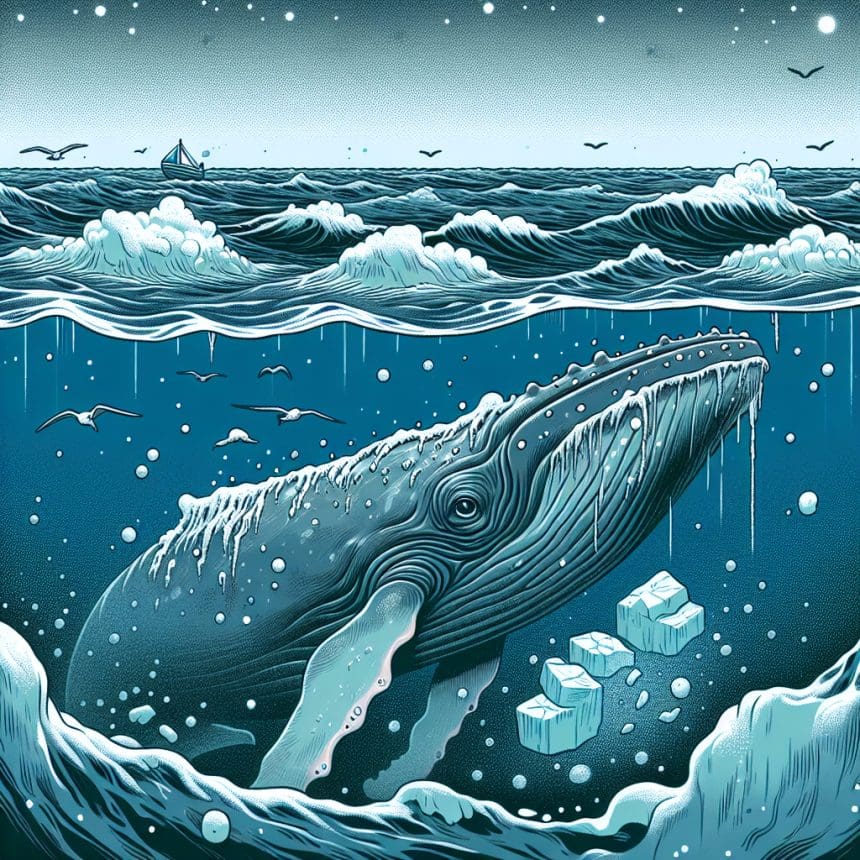
Headline: Humpback Whale Rescued in Baltic Sea Faces New Peril
In a disheartening turn of events, the humpback whale rescued last week from the shallow waters of the Baltic Sea has become stuck again. The marine mammal, which was initially freed by a dedicated team of marine experts and volunteers, found itself entangled in a fishing net near the popular coastal town of Sopot, Poland. This latest incident has raised alarms among environmentalists and local authorities, who are now mobilizing resources for a second rescue attempt, highlighting ongoing challenges in marine conservation efforts.
A Rapid Response from Marine Experts
The recent challenges facing the humpback whale spotlight the urgent need for enhanced marine wildlife protection. After its first entrapment, the whale—a full-grown adult measuring approximately 40 feet—was relocated to deeper waters thanks to the quick action of local marine biologists, rescue teams, and volunteers. The rescue operation, which took place last Friday, involved cutting away the fishing gear that had trapped the whale in shallow waters, leading to an optimistic outlook for its recovery.
Dr. Anna Kowalska, a marine biologist involved in the initial rescue, expressed her concerns regarding the whale’s recapture. "We were hopeful that this individual would navigate to safer waters after the first rescue," she stated. "However, the fact that it has become ensnared again highlights the significant peril marine life faces in these areas."

The Environmental Backdrop
The Baltic Sea, known for its unique marine ecosystem, has witnessed a surge in human activities such as fishing and shipping—which have adversely affected its wildlife. Humpback whales, an endangered species, are increasingly becoming victims of marine debris, fishing nets, and boat strikes. The situation underscores a troubling trend where human interference continues to threaten the survival of numerous marine species.
Despite ongoing conservation efforts, researchers note that the growing pressures of climate change and pollution add layers of complexity to the challenges faced by marine life in the Baltic Sea. It raises questions about how effectively society can balance human needs with the conservation of vulnerable ecological systems.
Community Efforts and Future Outlook
In the face of adversity, local communities are stepping up to safeguard the marine ecosystems. As news of the whale’s plight spread, volunteer groups have emerged, creating awareness about the threats faced by marine animals in the Baltic Sea. Local fishermen have also shown support, pledging to avoid areas of high traffic for marine life.
As plans for the whale’s second rescue operation gain traction, a coalition of marine scientists, environmental groups, and local authorities are collaborating to develop better preventative strategies. "We need to work together as a community to support marine life. It’s not just about rescuing a whale. It’s about changing our behavior and practices to foster a healthier ecosystem," said Tomasz Nowak, a marine conservation advocate.
The Call for Sustainable Practices
Three main themes have emerged from the community’s response: awareness, education, and sustainable practices. Local educational programs are being instituted to educate fishermen and community members about the importance of marine conservation and the ramifications of human activities on aquatic life.
Organizations are also seeking to implement sustainable fishing practices in the area to significantly reduce incidents of entanglement. These measures may include creating designated fishing zones, utilizing whale-friendly fishing gear, and monitoring practices more closely to ensure that wildlife is not unduly harmed.
Legislative Action and Future Monitoring
Recognizing the importance of legal frameworks in protecting marine wildlife, several policymakers are advocating for stricter regulations on fishing practices, including the banning of certain apparatuses that endanger marine life. Proposed legislation aims to ensure that any fishing equipment deployed in these critical habitats is less likely to interfere with whales and other marine creatures.
Meanwhile, researchers and environmental groups are pooling resources to enhance ongoing monitoring of marine life post-rescue, which could potentially inform future interventions and conservation strategies. This integrated approach aims to create a more sustainable environment for both human and marine populations.
Conclusion: A Hopeful Yet Cautious Future
The fate of the humpback whale remains uncertain as rescue teams prepare for a second operation. While the swift actions taken by marine experts previously led to a successful recovery, the continued entanglement poses questions about the long-term viability of such animals within an increasingly anthropogenic environment.
As the community bands together, the focus shifts toward fostering a culture of marine stewardship. By prioritizing sustainable practices and promoting awareness, there is hope for not only the survival of the humpback whale but also the preservation of the fragile ecosystems that support it. In a world where the challenges facing marine life seem insurmountable, the story of this whale has ignited a movement towards positive change and unity in conservation efforts.
As the rescue operations unfold, one thing is clear: collective action is essential to securing a safer, healthier future for the humpback whale and the marine environments it calls home.