FBI to Permanently Close J. Edgar Hoover Building, Ending a Half-Century Era in Washington
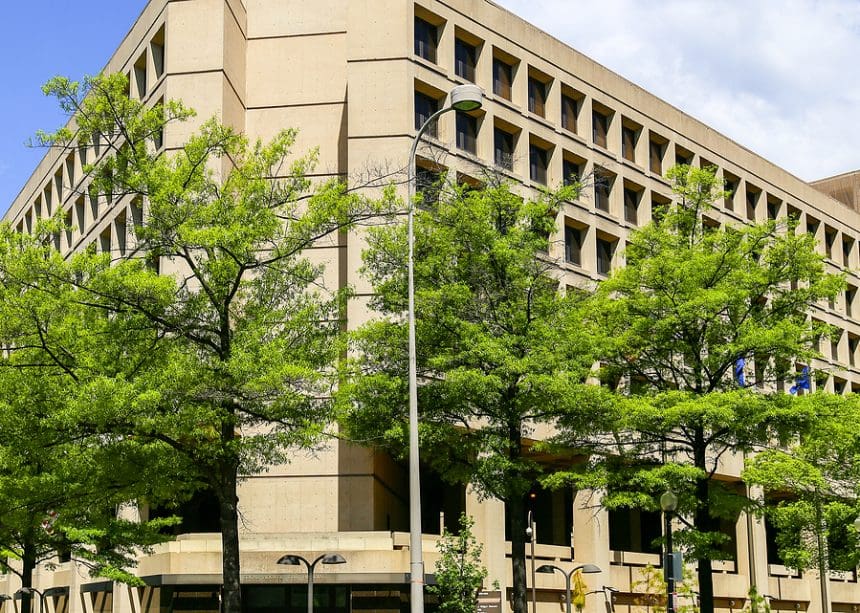
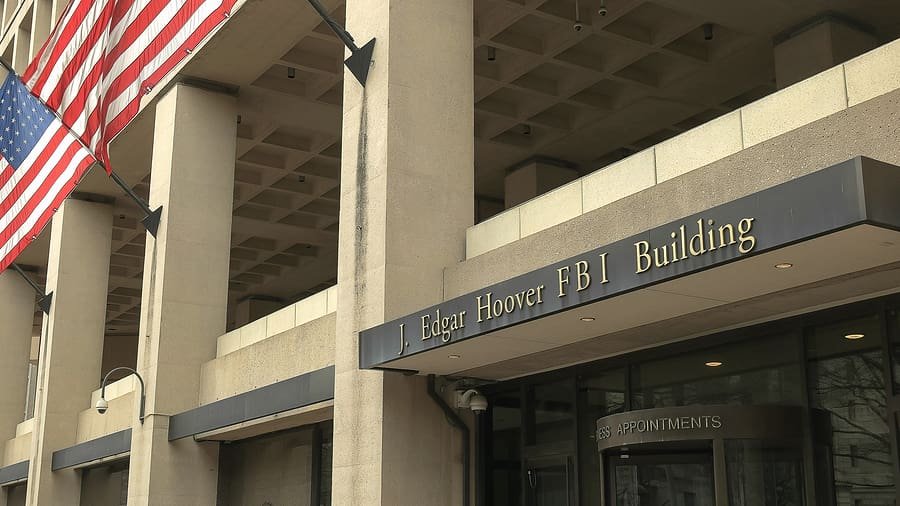
WASHINGTON, DC (STL.News) J. Edgar Hoover Building – The Federal Bureau of Investigation has announced a historic decision that marks the end of an era in American law enforcement: the permanent closure of its longtime headquarters, the J. Edgar Hoover Building, located along Pennsylvania Avenue in Washington, D.C. The move concludes decades of debate over the future of the structure and signals a significant shift in how the FBI plans to operate its national headquarters in the years ahead.
For nearly 50 years, the Hoover Building has served as the symbolic and operational heart of the FBI. Opened in 1975, the massive concrete structure was intended to centralize intelligence, investigative, and administrative functions during the Cold War expansion. Over time, however, the building became increasingly outdated, costly to maintain, and ill-suited for modern federal law enforcement needs.
J. Edgar Hoover Building – A Long-Debated Decision Comes to a Close
Discussions about replacing or relocating the FBI headquarters have spanned more than two decades, involving multiple administrations, Congress, and federal agencies. Proposed solutions ranged from full renovation to the construction of a brand-new campus outside downtown Washington. None gained lasting momentum.

With the announcement of the permanent closure, federal officials are choosing a different path—one focused on practicality rather than symbolism. Instead of waiting years for a new headquarters to be built, the FBI will relocate its core headquarters operations to an existing federal facility nearby.
New Headquarters Operations at the Ronald Reagan Building
The FBI plans to relocate much of its headquarters workforce to the Ronald Reagan Building and International Trade Center, a modern federal complex already equipped with upgraded infrastructure, security features, and office space.
Officials describe the move as a cost-effective solution that allows the agency to transition quickly without disrupting ongoing operations. The Reagan Building offers updated systems designed for today’s technological demands, including improved communications, energy efficiency, and workspace flexibility—features the Hoover Building struggled to support.
Why the J. Edgar Hoover Building Could No Longer Work
While iconic, the Hoover Building has long faced criticism from employees, inspectors, and security experts. Over time, the structure developed significant limitations:
- Aging infrastructure requiring expensive repairs
- Outdated layouts are incompatible with modern investigative workflows
- Security constraints tied to its downtown footprint
- Limited ability to upgrade without major reconstruction
In addition, maintaining the building diverted resources from operational priorities. Federal officials concluded that continued investment in the structure no longer made strategic or fiscal sense.
Cost Savings and Operational Efficiency
The decision to relocate rather than rebuild is expected to save billions of dollars over the long term. A previously proposed new FBI campus was projected to take more than a decade to complete, delaying benefits while costs continued to rise.
By using an existing federal facility, the FBI can reallocate funds toward technology upgrades, personnel support, and mission-critical initiatives. Agency leaders emphasized that the move is designed to strengthen national security operations while minimizing disruption to ongoing investigations.
What Happens to the J. Edgar Hoover Building?
The future of the Hoover Building itself remains undecided. Federal authorities have not yet announced whether the structure will be demolished, repurposed, or redeveloped. Given its prime location along Pennsylvania Avenue, the site is expected to attract significant interest from urban planners and policymakers.
Any decision regarding redevelopment will likely involve multiple federal agencies and extensive public input. The building’s symbolic presence near the National Mall ensures that its next chapter will be closely watched.
Impact on Employees and Day-to-Day Operations
FBI officials say the transition will be carefully managed to ensure continuity of operations. Employees assigned to headquarters functions will be relocated in phases, with an emphasis on minimizing commuting disruptions and maintaining secure workflows.
Field offices across the country are not expected to be affected. The relocation applies specifically to headquarters-level administrative, intelligence, and coordination functions based in Washington.
Symbolism vs. Practicality in Federal Governance
The Hoover Building has long been a visual representation of federal law enforcement power—massive, imposing, and unmistakable. Its closure reflects a broader trend in federal governance: prioritizing efficiency, adaptability, and cost control over monumental architecture.
Rather than investing in iconic but inflexible structures, agencies are increasingly opting for modular, technology-ready environments that can evolve with changing threats and missions.
A Turning Point for the FBI
For the FBI, the move represents more than a change of address. It signals a recalibration of how the agency positions itself for the future. Cybercrime, transnational threats, and rapidly evolving technologies demand infrastructure that supports speed, collaboration, and resilience.
Officials say the new headquarters environment will allow the FBI to operate more effectively while remaining accountable to taxpayers.
Looking Ahead
While the closure of the J. Edgar Hoover Buildings ends a chapter in Washington’s architectural and political history, it opens the door to a more flexible, modern approach to federal law enforcement operations.
As the FBI prepares for the transition, attention will remain focused on how the move affects efficiency, security, and the agency’s ability to carry out its mission. For now, one thing is clear: one of the most recognizable federal buildings in the nation is preparing to step out of the spotlight, making way for a new era shaped less by concrete and symbolism and more by function and adaptability.
© 2025 STL.News/St. Louis Media, LLC. All Rights Reserved. Content may not be republished or redistributed without express written approval. Portions or all of our content may have been created with the assistance of AI technologies, like Gemini or ChatGPT, and are reviewed by our human editorial team. For the latest news, head to STL.News.