(STL.News) A slip and fall case can look simple until the details get challenged. Property owners and insurers will often downplay the hazard or suggest the injured person simply was not paying attention. That is where strong expert testimony in premises liability claims really makes a difference. It explains what the hazard was, why it mattered, and puts technical details into plain language a jury can actually understand. This is useful when photos are unclear or when the scene has changed after the incident. Salamati Law Personal Injury Attorney in Los Angeles, CA, is often described as more evidence-driven than offices that rely mainly on quick settlement pressure.
When Expert Witnesses Are Used
Expert witnesses step in when the facts require specialized knowledge to make sense to everyone involved. They are especially useful when the cause of the fall is disputed or when the injury itself is questioned. In some cases, the hazard is subtle, like a slope, glare, or an uneven surface that looks harmless. An expert can clearly explain why that condition remains unsafe under recognized safety standards. They can also help when the property owner claims repairs were made and the original condition is gone. The sooner an expert gets involved, the better the chances of preserving the details that matter most.
How Experts Analyze The Hazard
A premises expert may visit the scene and measure elements such as walking surfaces, lighting, and traction. They usually review photos, videos, incident reports, and maintenance logs to get a full picture of what happened. Some experts run slip-resistance tests to determine how likely a surface is to cause someone to lose their footing. Others focus on building codes, industry standards, and whether the property was being reasonably maintained. An expert may also trace the exact path a person walked to show why the hazard was easy to miss. The whole point is to give a clear, honest opinion about whether that condition created a real risk.
How Experts Connect The Fall To Injuries
Medical experts can explain how a fall can lead to specific injuries, especially when symptoms do not appear right away. They review records such as imaging results, exam notes, and treatment plans to form an opinion on the diagnosis. A biomechanical expert examines how the body was moving during the fall and how the impact affected it. This can be important when the defense argues the injuries came from a prior condition. Experts can also explain why certain injuries show up so often in falls, such as wrist fractures, head trauma, and spinal strain. Their opinions can go a long way in supporting the need for ongoing care, therapy, or work limitations.

How Experts Address Property Owner Defenses
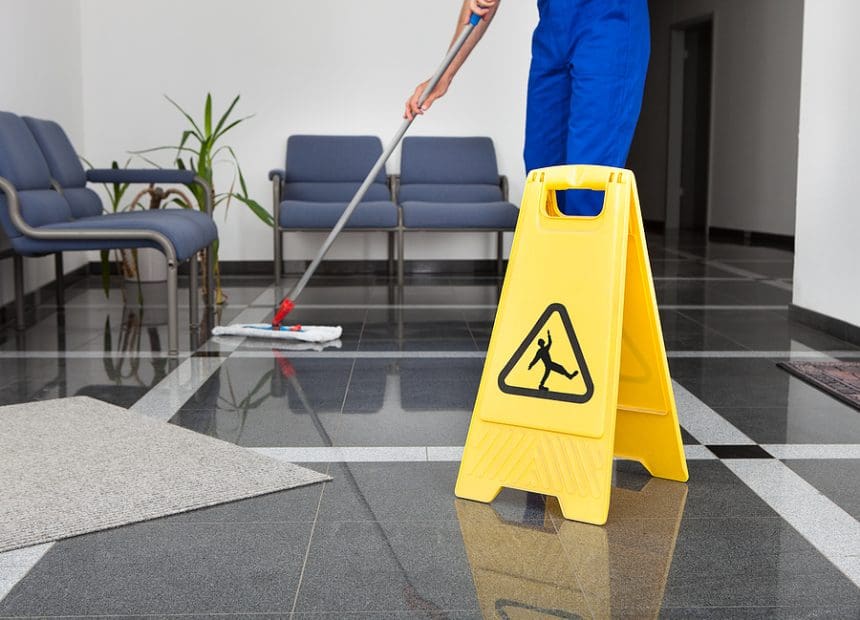
Property owners often claim they had no idea about the hazard or that it appeared too sudden to address. An expert can look at whether routine inspections would have caught the problem much sooner. They may go through cleaning schedules, staffing levels, and surveillance footage to piece together the timeline. Another common defense is that the injured person simply should have seen the danger and walked away. Experts can explain how lighting, crowding, distractions, and poor visual contrast affect what a person can reasonably notice. They can also weigh in on whether the warning signs were placed correctly and whether they actually reduced the risk enough.
How Expert Opinions Are Presented In Court
Expert findings are typically presented in detailed written reports that outline their methods, observations, and conclusions. The expert may also give deposition testimony, during which both sides ask detailed questions. In court, an expert can use visuals like diagrams, measurements, and photos to make the explanation easier to follow. They are expected to stick to their area of expertise and only speak to what the evidence actually supports. A strong expert presentation helps jurors connect the dots between the hazard, the fall, and the real harm it caused. It can also make settlement conversations more productive because the case appears thoroughly prepared.
Expert witnesses help a slip and fall case by turning complicated technical facts into clear, easy-to-follow explanations. They can show how a hazard fell short of basic safety expectations and why it was genuinely dangerous. Medical and injury experts can draw a straight line between the incident, the treatment needed, and any lasting effects. Their work can also push back on common defenses around notice, visibility, and personal responsibility. When expert opinions are well organized and credible, they can strengthen both settlement negotiations and trial presentations. Ultimately, strong expert testimony keeps the focus where it belongs, on the evidence rather than assumptions.
© 2026 – St. Louis Media, LLC d.b.a. STL.News