(STL.News) The United States has carried out another high-profile maritime seizure involving a vessel tied to Venezuela’s oil trade, intensifying an already volatile standoff between Washington and Caracas and raising fresh questions about the future of energy shipments, sanctions enforcement, and regional security in the Caribbean basin.
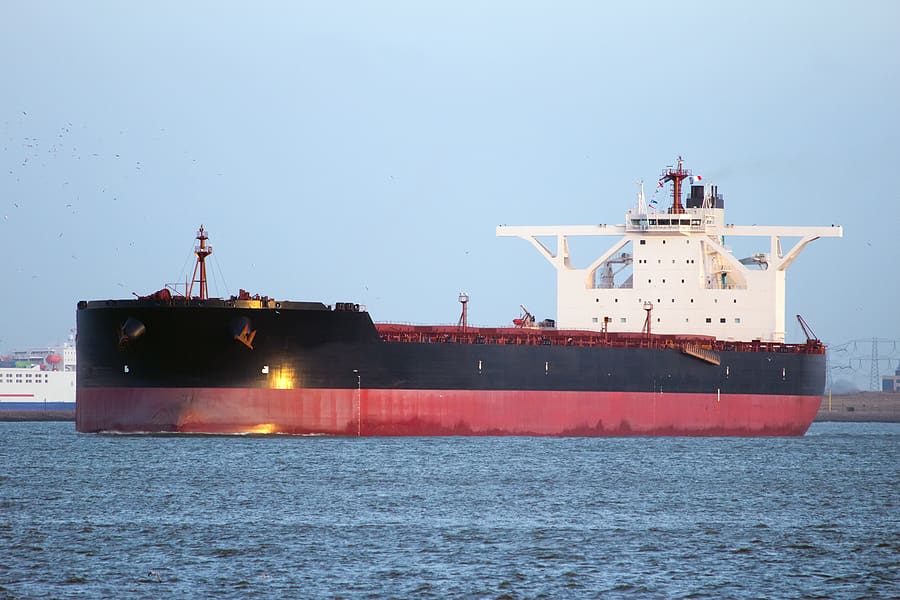
According to U.S. officials, the tanker was intercepted in international waters during a coordinated maritime operation led by the U.S. Coast Guard with support from the Department of Defense. The vessel is alleged to have recently departed Venezuela and to be connected to oil exports that American authorities say violate U.S. sanctions policy.
The seizure marks the second such action in recent weeks. It signals a more aggressive enforcement posture by the United States toward oil shipments associated with Venezuela, whose economy remains heavily dependent on petroleum exports.
What We Know So Far
U.S. officials described the operation as lawful and deliberate, emphasizing that the vessel was stopped outside Venezuelan territorial waters. The tanker was taken under U.S. control and redirected for further inspection and legal processing, with its crew reported to be safe.

Authorities have not publicly disclosed whether the ship was flying the Venezuelan flag or registered under a third country, a common practice in global shipping. However, officials confirmed that the cargo originated from Venezuela and was allegedly destined for foreign buyers through channels Washington considers sanction-evasive.
The U.S. government has framed the action as part of a broader strategy to disrupt illicit oil flows that, in its view, help sustain corruption, organized crime, and political repression in Venezuela.
A Sharp Response from Caracas
The Venezuelan government reacted swiftly and forcefully. Officials in Caracas condemned the seizure as an illegal act and accused the United States of piracy and economic warfare. Statements from the administration of President Nicolás Maduro characterized the move as a violation of international law and warned of diplomatic and legal consequences.
Venezuelan leaders argue that their country has the sovereign right to sell its oil and that U.S. sanctions unfairly punish ordinary citizens by choking off revenue needed for food, medicine, and infrastructure.
The rhetoric underscores the deep mistrust between the two governments, which have had no formal diplomatic relations for years and remain locked in a prolonged political and economic confrontation.
Why Oil Tankers Matter So Much
Oil is the lifeblood of Venezuela’s economy. Even after years of mismanagement, declining production, and international sanctions, crude exports remain the country’s most important source of foreign currency.
For the United States, stopping oil shipments linked to Venezuela serves multiple goals:
- Enforcing economic sanctions
- Limiting revenue to the Maduro government
- Deterring third parties from engaging in sanction-evasion schemes
- Demonstrating maritime dominance in the Caribbean region
Recent seizures suggest Washington is willing to expand enforcement beyond paper sanctions and into physical interdictions at sea, a step that significantly raises the stakes.
A Pattern Is Emerging
This latest seizure follows a similar incident earlier in the month, fueling speculation that the United States has adopted a standing policy to interdict certain Venezuela-linked vessels when intelligence indicates sanction violations.
By acting in international waters, U.S. officials maintain they are operating within established maritime law, especially when enforcing domestic sanctions against entities under U.S. jurisdiction or influence. Critics, however, argue that such actions blur the line between sanctions enforcement and de facto blockade.
Legal experts note that while sanctions themselves are lawful under U.S. statutes, the seizure of foreign-flagged vessels can become legally complex, particularly if the ship’s ownership and registration involve multiple jurisdictions.
Regional and Global Implications
The seizure reverberates far beyond Washington and Caracas. Energy markets, already sensitive to geopolitical disruptions, are watching closely. Even limited interference with Venezuelan exports can tighten global oil supply margins, especially for buyers in Asia and parts of the Global South that rely on discounted crude.
Regional governments in the Caribbean and Latin America are also paying attention. Some fear that increased maritime enforcement could disrupt commercial shipping lanes or escalate tensions in waters critical to trade.
At the same time, U.S. allies view the actions as a firm stand against what they see as authoritarian governance and sanctions evasion.
Military and Security Dimensions
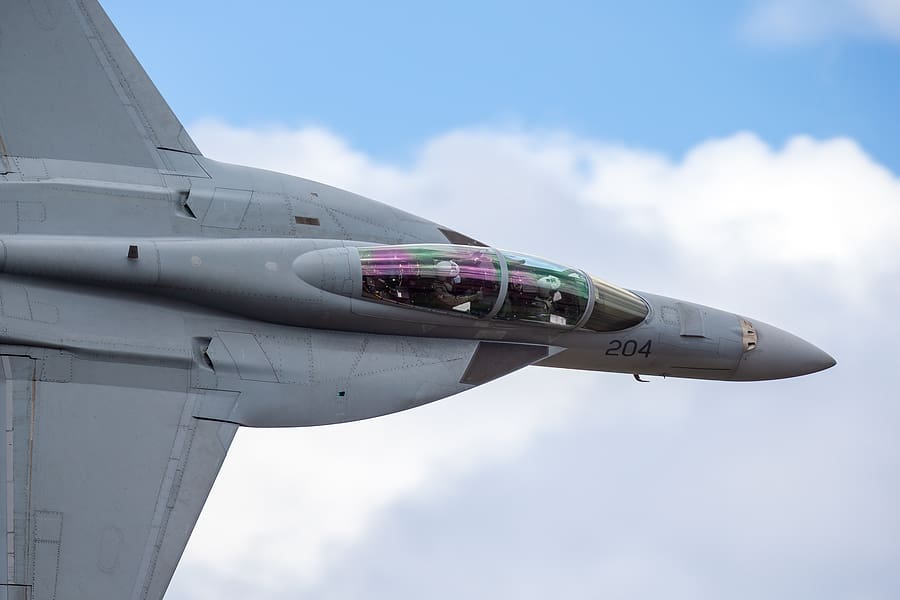
The involvement of U.S. defense assets alongside the Coast Guard highlights the seriousness of the operation. While not a military confrontation in the traditional sense, such seizures require intelligence coordination, surveillance, and the credible presence of force.
Officials stressed that the mission was conducted professionally and without violence, but acknowledged that future encounters could become more complex if vessels resist or if foreign naval escorts become involved.
So far, there is no indication that Venezuela attempted to intervene militarily, though its leadership has repeatedly warned that it will defend its interests.
Political Timing and Strategy
The seizure comes at a moment when U.S. policy toward Venezuela appears to be hardening after years of mixed signals involving limited sanctions relief, stalled negotiations, and humanitarian carve-outs.
Analysts say the renewed enforcement push may be intended to:
- Reassert U.S. credibility on sanctions
- Pressure Caracas ahead of potential diplomatic talks
- Signal resolve to allies and adversaries alike
Whether the strategy leads to concessions or further entrenchment remains uncertain.
What Happens to the Ship and Its Cargo?
Under U.S. law, seized vessels can be subject to forfeiture proceedings if authorities determine that sanctions were violated. The oil cargo may be impounded, sold, or otherwise disposed of depending on the legal outcome.
Crew members are typically questioned and then repatriated, provided they are not accused of wrongdoing. Shipping companies connected to the vessel could face fines or future restrictions.
For international shipping firms, the message is clear: involvement with Venezuelan oil carries increasing legal and operational risk.
What Comes Next
With two seizures now on record, observers expect heightened scrutiny of tankers operating near Venezuela and increased caution among buyers and intermediaries.
Venezuela may pursue legal challenges through international forums or seek political support from allies, while the United States is likely to frame the operation as a success and a warning.
As this story continues to unfold, one reality is apparent: the confrontation over Venezuela’s oil is no longer confined to boardrooms and bank accounts. It is playing out on the open sea, where enforcement, diplomacy, and power intersect in real time.
STL.News will continue to follow developments in this rapidly evolving international story.
Other related news articles on STL.News that you might find interesting:
© 2025 STL.News/St. Louis Media, LLC. All Rights Reserved. Content may not be republished or redistributed without express written approval. Portions or all of our content may have been created with the assistance of AI technologies, like Gemini or ChatGPT, and are reviewed by our human editorial team. For the latest news, head to STL.News.