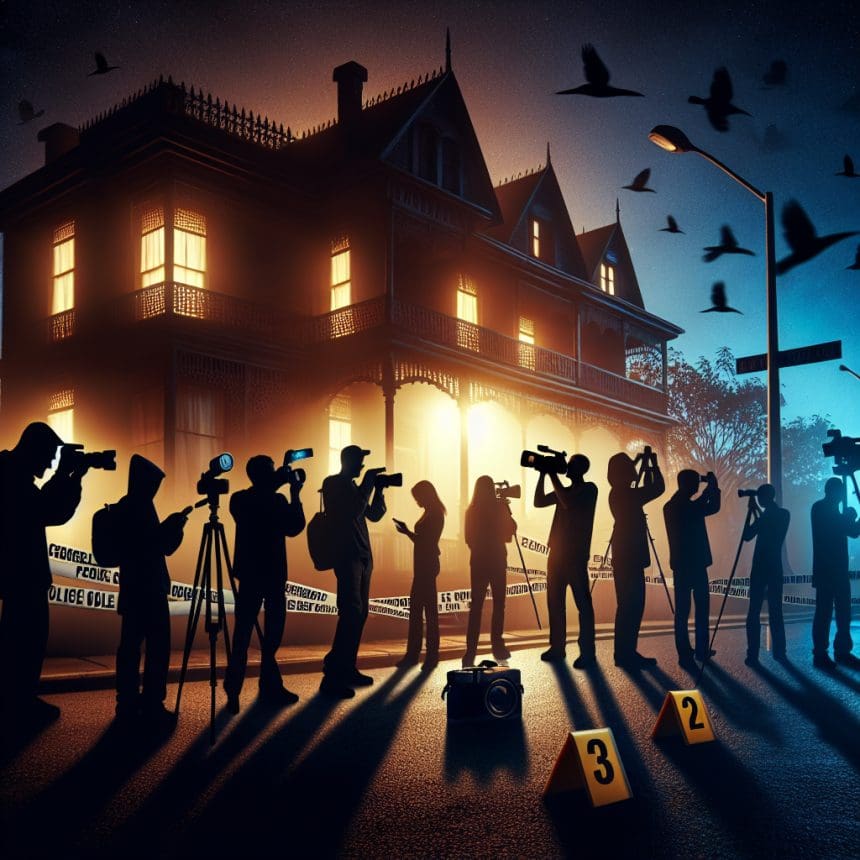
True Crime Streamers and Influencers at the Nancy Guthrie Scene
In the ever-evolving world of true crime, the rise of streamers and influencers has dramatically transformed how stories are told and consumed. One striking example of this phenomenon occurred recently at the scene connected to the Nancy Guthrie case. With their smartphones in hand and followers eager for the latest updates, these digital creators brought a new dimension to crime reporting. As the lines between traditional journalism and social media blur, audiences are witnessing a unique blend of entertainment and investigation.
Summary:
- True crime streamers and influencers are reshaping the landscape of crime reporting.
- The Nancy Guthrie case has attracted significant attention online, drawing in content creators.
- This trend poses questions about ethics, accuracy, and the role of digital influencers in serious narratives.
The Allure of True Crime
True crime has long captivated audiences, whether through books, documentaries, or podcasts. The genre taps into the human psyche’s fascination with the dark, unexplored corners of society. Today, social media streamers have capitalized on this interest, offering real-time updates and unique perspectives that traditional media often lacks.
By livestreaming investigations and engaging with their audience, these influencers turn crime narratives into interactive experiences. They invite viewers to join them as they examine crime scenes, interview locals, and analyze case details, creating a collective sense of involvement that is both thrilling and immersive.
The Nancy Guthrie Incident
Nancy Guthrie’s case has emerged as a focal point for true crime enthusiasts and streamers alike. Known for its intriguing details and tragic circumstances, it provides rich content for digital influencers. As the news broke, various creators flocked to the scene, eager to provide their audience with firsthand accounts, speculation, and analysis. In doing so, they added layers of narrative that traditional media outlets often miss.

Ethics and Responsibility
While the engagement of true crime influencers brings a fresh outlook, it also raises vital questions about ethics and responsibility. Unlike seasoned journalists, streamers may lack the rigorous training necessary for handling sensitive topics. The potential for sensationalism is ever-present, risking the trivialization of tragic events and the experiences of those involved.
Content creators must navigate the thin line between captivating storytelling and ethical reporting. Responsible influencers prioritize accuracy, respect, and compassion, understanding that their audience’s engagement should not come at the expense of integrity.
The Role of Technology
Technology plays a critical role in the rise of true crime streamers. High-quality smartphones allow even amateurs to produce polished, professional-looking content. Live-streaming platforms enable instant updates and interactions, making it easier for audiences to follow along as events unfold.
Moreover, the accessibility of social media drives a rapid dissemination of information. Hashtags and trending topics can significantly amplify the reach of a case, making it a collective experience for communities online. However, the downside is that misinformation can spread just as quickly, often complicating already convoluted narratives.
Audience Engagement
One of the most significant advantages of true crime influencers is their ability to engage with their audience. This interaction transforms passive viewers into active participants, fostering a sense of community around the case. Through comments, polls, and live chats, creators can gauge audience reactions, gather insights, and involve their followers in discussions that may influence their future content.
Such engagement adds a layer of depth to the investigation, as the audience’s curiosity propels streamers to dig deeper into the mysteries. This participatory culture is emblematic of the modern digital landscape where consumers expect to be part of the narrative, not just observers.
The Future of True Crime Streaming
As the true crime genre continues to expand across various digital platforms, the future looks promising yet uncertain. With an ever-growing audience thirsting for new stories, content creators will likely continue to emerge, bringing unique perspectives and artistic expressions. However, the responsibility of appropriately handling the sensitive narratives inherent in true crime remains paramount.
How to Navigate Safely and Ethically
-
Follow Established Guidelines: True crime influencers should familiarize themselves with ethical journalism standards, understanding the importance of privacy and respect for affected individuals.
-
Fact-Check: Always ensure that the information shared is accurate to avoid spreading misinformation.
-
Prioritize Sensitivity: Maintain a compassionate approach when discussing sensitive topics, acknowledging the impact on real lives.
-
Engage Responsibly: While audience engagement is crucial, it should not overtake the necessity for truthful representation of events and people involved.
-
Stay Informed: Keeping up with new developments in both technology and ethics in journalism can guide sensible content creation.
Conclusion
The surge of true crime streamers and influencers at the Nancy Guthrie scene showcases how technology and social media are revolutionizing crime storytelling. While the sheer enthusiasm for engaging content can create a vibrant community, there is a need for responsible storytelling and ethical considerations.
As the lines between influencer culture and traditional journalism continue to blur, aspiring content creators must strive for accuracy, integrity, and respect for the narratives they share. With this balance, they can enrich the discourse surrounding true crime while honoring the complexities of the stories they explore.
Final Thoughts
The transformation of the true crime landscape invites exciting opportunities and challenges. As the Nancy Guthrie case illustrates, influencers have the power to reshape narratives, engage audiences, and bring new insights to crime reporting. The responsibility of wielding this influence ethically lies firmly in their hands, and it will undoubtedly shape the future of storytelling in the genre for years to come.