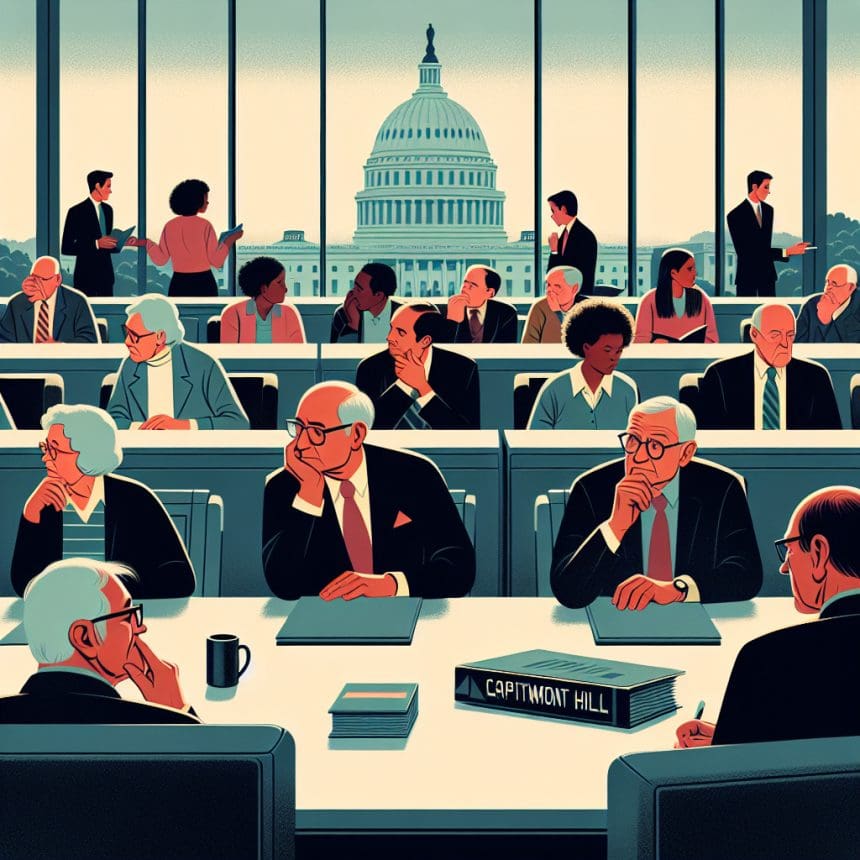
Headline: Thousands of Federal Workers Consider Early Retirement Offer
In a recent development, thousands of federal employees across various government agencies are evaluating an unprecedented early retirement offer, a move announced by the Office of Personnel Management (OPM) earlier this week. This initiative, expected to attract a significant number of participants, aims to streamline operations and reduce workforce costs amid mounting budget pressures. As agencies brace for the potential impact, employees have until the end of the month to make their decisions.
The early retirement offer comes in response to ongoing financial challenges faced by the federal government, particularly as fiscal constraints tighten due to increased spending and pandemic-related economic impacts. This program seeks to provide eligible employees an opportunity to retire earlier than the standard retirement age, with incentives such as a lump-sum payment and benefits continuation. Hence, the OPM is encouraging older employees to consider the offer, with the hope of rejuvenating the workforce with younger talent.
Agencies involved in this initiative span various departments, including Defense, Health and Human Services, and the Department of Labor. Historically, the federal workforce has experienced difficulties in recruitment and retention, particularly in specialized fields like IT and cybersecurity. Proponents believe this early retirement offer can alleviate these issues by paving the way for new hires who bring fresh ideas and technical skills to the table.

Employees eligible for the early retirement offer typically include those who are 50 years of age or older with at least 20 years of federal service, or any age with a minimum of 25 years. Those opting for early retirement will not face penalties on their pensions, a critical factor influencing their decision-making. Given the uncertainty of the current job market and economic conditions, many federal workers are weighing the benefits against the potential risks of leaving their positions.
For many, the decision is particularly poignant. Some longstanding employees have contemplated retirement for years, but the lure of stability and benefits kept them tethered to their roles. Recent surveys indicate that nearly 60% of federal employees are seriously considering the offer, citing reasons like burnout, the desire for work-life balance, and an opportunity for early exploration of retirement hobbies and travel.
However, not all employees view the offer favorably. Critics express concerns about the loss of institutional knowledge and expertise, as many of the departing employees hold senior leadership positions or have specialized skill sets that are difficult to replace. The National Treasury Employees Union has raised alarms about the potential brain drain and its impact on service delivery to the public. Union representatives urge the government to consider more sustainable workforce management strategies rather than rushing into mass retirements.
In addition to concerns within the agencies, there are implications for the employees’ financial health. Financial advisors recommend that workers carefully evaluate their pension options, retirement savings, and potential healthcare costs before making any major decisions. The timing of retirement is crucial, especially for those nearing retirement age, as they may be on the cusp of receiving their maximum benefits.
As the deadline approaches, workshops and informational sessions are being organized across agencies to help employees navigate the complexities of the early retirement process. These sessions aim to provide comprehensive insights into benefits, health insurance, and other factors that could influence their final decision.
Public sentiment around this initiative depicts a mix of caution and optimism. While many younger federal employees feel that this could open pathways for career advancement, seasoned employees express anxiety over the uncertainty of their exit. The balance between rejuvenating the workforce and preserving institutional knowledge presents a nostalgic yet pragmatic dilemma for agencies.
Looking ahead, it remains uncertain how the early retirement program will reshape the federal workforce landscape. Industry insiders speculate that managing the transition—ensuring knowledge transfer and mentoring opportunities for remaining staff—will be more critical than ever. Agencies may need to implement creative recruitment and training strategies to fill the gaps left by retiring employees.
Psychologists and workplace experts recommend that employees take the time to reflect on their career goals and personal aspirations. Many individuals are finding this situation as an opportunity for self-growth that extends beyond work. The early retirement offer resonates differently depending on one’s stage in life, job satisfaction, and financial readiness.
As the OPM continues to monitor employee responses to the early retirement initiative, it remains pivotal for leaders to engage with employees candidly about their options. Keeping lines of communication open will be essential for retaining talent and addressing any lingering fears among staff who opt to remain.
In conclusion, the early retirement offer set forth by the OPM presents a significant turning point for federal employees and their respective agencies. As employees weigh the pros and cons, the coming weeks will be crucial in determining the future of the federal workforce. Will this initiative lead to a revitalized public service sector, or will it create challenges that impact government efficiency? Only time will tell, but for now, thousands of federal workers are poised at a crossroads, ready to make decisions that could shape the course of their careers and the public service landscape in the years to come.