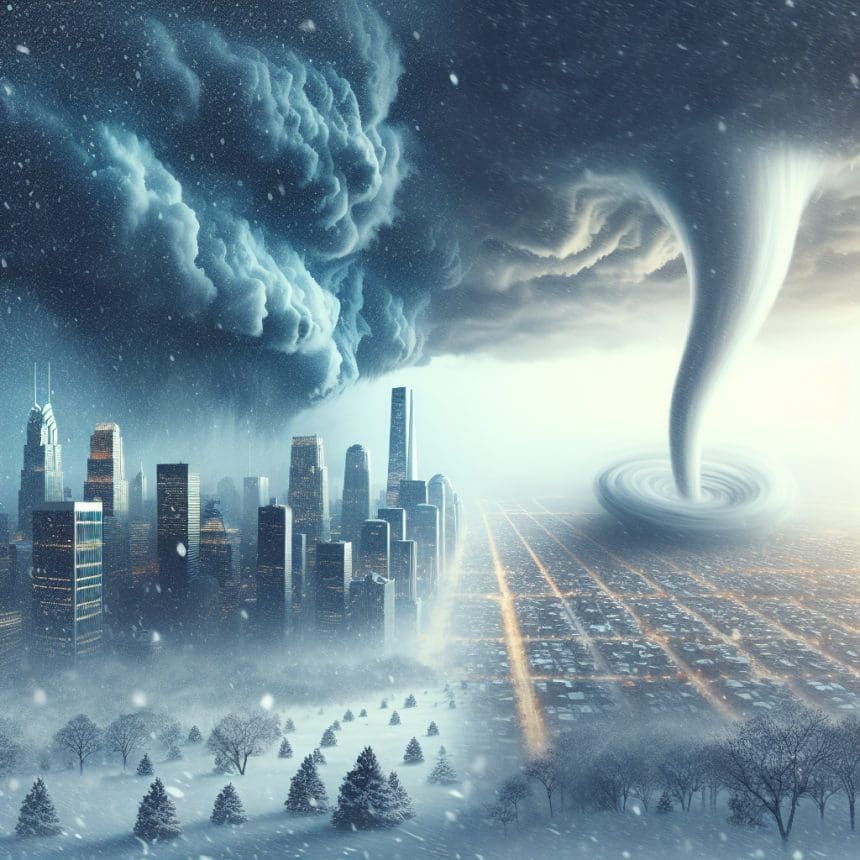
Headline: Major Storms Ground Flights Across U.S. East and Midwest
As severe weather systems sweep through the U.S. East and Midwest, thousands of flights have been grounded, prompting widespread travel disruptions. The storm, characterized by heavy snowfall and tornado risks, began affecting air travel on Tuesday morning, with multiple states experiencing adverse weather conditions. Airlines across affected regions, particularly in the Midwest and Northeast, canceled flights as snow accumulations reached upwards of a foot in some areas. With hazardous conditions expected to persist, travelers are urged to stay informed and prepare for delays.
Storm Overview: Igniting Chaos Across the U.S.
The National Weather Service has issued warnings for several states, including Illinois, Ohio, and New York, where severe snowfall and potential tornado activity are anticipated. As the storm system moves eastward, meteorologists predict that the combination of heavy snow and strong winds could create blizzard-like conditions, raising concerns for both travelers and local residents.
According to forecasts, parts of the Midwest could see snow accumulation between 8 to 15 inches, while areas of the Southeast face the threat of tornado formation due to warm, moist air colliding with colder fronts. This complex storm system is causing total disruptions in air travel, with airports from Chicago to New York reporting significant flight cancellations.

Impact on Airlines and Passengers
Major airlines have announced widespread flight cancellations as they aim to protect passenger safety. United Airlines, Delta, and American Airlines have all reported significant disruptions. United Airlines alone has canceled over 2,000 flights as a precaution against the inclement weather. Passengers have taken to social media to express frustration over sudden cancellations, long wait times at customer service desks, and the challenge of finding alternative travel arrangements.
Travelers are strongly advised to check their flight status before heading to the airport. Many airlines have adopted flexible change policies, allowing travelers to modify their bookings without fees. As the storm progresses, further cancellations are likely, and passengers are encouraged to weigh alternative transportation options.
Ground Transportation Affected
The storm’s reach isn’t confined to air travel. Ground transportation is also significantly impacted, with many states declaring snow emergencies and advising residents to stay off the roads. Interstate highways have seen numerous accidents due to poor visibility and icy conditions. In Michigan, the Department of Transportation has implemented a ban on large trucks on several major highways.
In urban areas, municipalities are mobilizing snow plows and salt trucks to combat the accumulating snow, but travel remains hazardous. Public transit systems have also reported delays or cancellations, as transit authorities prioritize safety amid the treacherous conditions.
Weather Forecasts: What Lies Ahead
As the storm system moves eastward, weather experts predict that it will intensify, bringing with it a risk of severe thunderstorms. Areas in the Southeast are under surveillance for tornado activity, increasing the peril for states like Tennessee and Kentucky. The National Weather Service has urged residents in these areas to remain vigilant and have emergency plans in place.
By Wednesday, heavy snowfall is expected to blanket much of the Northeast, affecting major cities such as Philadelphia and New York City. Forecasts indicate that travelers in these regions should prepare for significant delays as snow accumulates and temperatures plummet.
How to Prepare: Tips for Travelers
For those who are traveling during these stormy conditions, preparation is critical. Here are some tips to navigate the disruptions:
- Stay Updated: Monitor weather forecasts and check your airline for flight status updates.
- Pack Essentials: If your travel plans are disrupted, make sure to have essential items packed, such as snacks, water, and any medications for you or your family.
- Emergency Kit: If driving, keep an emergency kit in your vehicle that includes blankets, flares, a first-aid kit, and a flashlight.
- Flexibility is Key: Be prepared to adjust your travel plans. Explore alternative airports or even routes if necessary to reach your destination.
- Stay Connected: Ensure your phone is fully charged, and keep a portable charger handy to stay connected with family or airline updates.
Community Response: Supporting Each Other
In the wake of the storm, communities across the affected regions have begun organizing to support those in need. Local shelters are preparing to open their doors to help those stranded by travel disruptions. Many community centers are accepting donations, including blankets and clothing for those affected by the cold.
Local businesses are also stepping up, offering discounts and free meals to travelers stuck in their areas. As the storm continues to affect daily life, the spirit of community support shines through, reflecting a collective resilience in the face of nature’s fury.
Conclusion: A Call for Caution
As the storm unfolds, safety remains a top priority for travelers and residents across the Midwest and Northeast. The combination of heavy snow and the risk of tornadoes poses significant challenges for those on the move, but staying informed and prepared can make all the difference. Airlines, transportation authorities, and community organizations are all doing their part to navigate this tumultuous weather event. As conditions continue to deteriorate, vigilance and preparedness will be essential in mitigating the disruptions caused by this major storm system. Stay safe, and keep an eye on updates as this situation evolves.