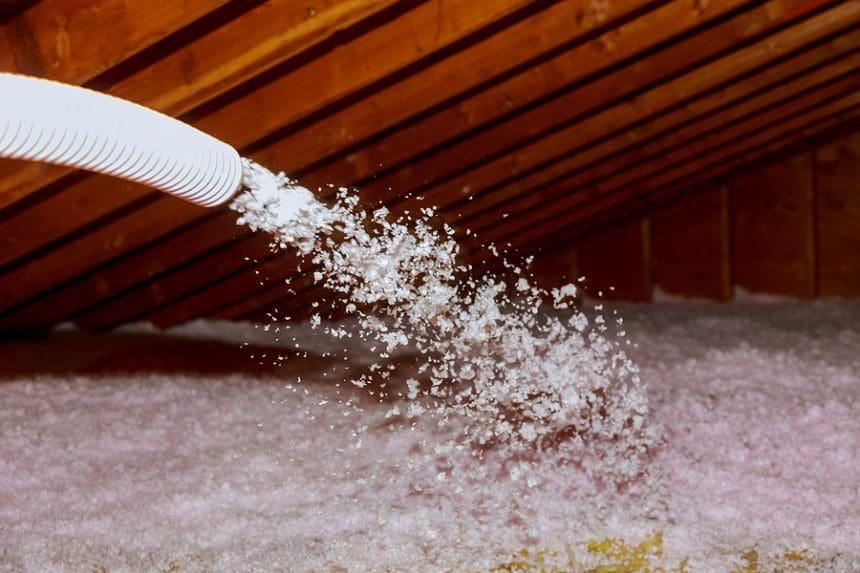
(STL.News) When it comes to making your home more energy efficient and comfortable, roof insulation is one of the smartest investments you can make. Whether you’re building a new home or upgrading an existing one, the right insulation can dramatically improve indoor temperature control, reduce energy bills, and even increase the lifespan of your roofing materials.
In this guide, we’ll explore what a roof insulation installer does, why their work matters, the types of insulation available, and how to choose the right installer for your project.
Why Roof Insulation Matters
Proper roof insulation plays a crucial role in how your home responds to heat and cold. Heat naturally moves from warm areas to cooler ones, meaning in summer your home’s cool air can escape through the roof, and in winter your warm air can leak out just as easily. Insulation slows this movement of heat, helping to maintain a stable indoor environment.
Benefits of Effective Roof Insulation
- Enhanced Comfort: Insulation helps keep temperatures consistent throughout your home, reducing hot spots in summer and cold drafts in winter.
- Lower Energy Bills: With better temperature control, heating and cooling systems don’t have to work as hard, which can significantly reduce utility costs.
- Noise Reduction: Roof insulation also acts as a sound barrier, minimizing noise from rain, wind, and outside traffic.
- Environmental Impact: Reduced energy consumption means lower greenhouse gas emissions, making insulation an eco-friendly choice.
- Increased Property Value: Homes with good insulation are more appealing to buyers and may fetch a better price on the market.
What Does a Roof Insulation Installer Do?
A roof insulation installer is a trained professional who assesses your home’s insulation needs, selects suitable materials, and installs them according to best practices and building codes. Their work involves more than just placing insulation between rafters. They consider airflow, moisture control, and safety requirements to ensure optimal performance.

Key Responsibilities of an Insulation Installer
- Site Evaluation: Measuring and inspecting the roof space to determine current conditions and potential challenges, such as ventilation issues or existing insulation that needs removal.
- Material Selection: Advising on the best insulation type based on your climate, budget, and roof structure.
- Installation: Installing insulation materials safely and accurately, ensuring proper fit and coverage to avoid gaps or compression that reduces effectiveness.
- Cleanup and Final Checks: Removing debris, ensuring all areas are adequately insulated, and answering questions about maintenance or future upgrades.
Types of Roof Insulation
Choosing the right insulation material is essential for performance and durability. Installers often work with a variety of products, each suited to different needs and budgets.
Bulk Insulation
Bulk insulation includes materials like batts, rolls, and loose-fill fibers that trap pockets of air to slow heat transfer. Common materials include:
- Fiberglass: Widely used and cost-effective, good for various roof spaces.
- Mineral Wool: Offers excellent fire resistance and soundproofing qualities.
- Cellulose: Made from recycled paper products, treated for fire resistance; a greener option.
Reflective Insulation and Foil
These systems use reflective surfaces to reduce radiant heat transfer, especially useful in hot climates. They’re often used in combination with bulk insulation for maximum effect.
Rigid Foam Boards
Rigid boards provide high insulating value and are ideal for flat roofs or external applications. They are moisture-resistant and durable, but usually more expensive than fiber-based options.
Spray Foam Insulation
Spray foam expands to fill gaps and crevices, providing excellent air sealing and insulation. It’s particularly useful for irregular roof spaces but typically costs more and requires professional application.
How to Choose a Roof Insulation Installer
Selecting the right installer ensures your insulation performs well and lasts for years. Here are some factors to consider when hiring someone for the job:
Experience and Certification
Look for professionals with experience in roof insulation and relevant certifications. This often indicates they understand local building codes and best practices.
Product Knowledge
A good installer should be able to explain the pros and cons of different insulation types and recommend the best solution for your home’s needs.
Clear Communication
From the initial quote to project completion, effective communication helps avoid misunderstandings about costs, timelines, and materials.
Reviews and Recommendations
Ask for references or check reviews from previous customers. Hearing about others’ experiences can provide insight into reliability and workmanship quality.
What to Expect During Installation
Understanding the installation process helps you prepare your home and schedule accordingly. Most insulation projects begin with an assessment, followed by material delivery and setup. Installers will work in your roof space, so ensure that attic access is clear and safe. Depending on the materials and size of your home, installation can take anywhere from a few hours to a couple of days.
Conclusion
Roof insulation is a powerful way to enhance comfort, save energy, and improve your home’s overall performance. A qualified roof insulation installer can guide you through the options, help you choose the best materials, and ensure a professional installation that delivers long-term benefits. Whether you’re tackling a new build or upgrading an older home, understanding the basics of roof insulation empowers you to make informed decisions that protect your investment and improve your everyday living experience. With the right approach, insulation isn’t just a home improvement — it’s a smart lifestyle choice.
Related Lifestyle News stories published on STL.News: