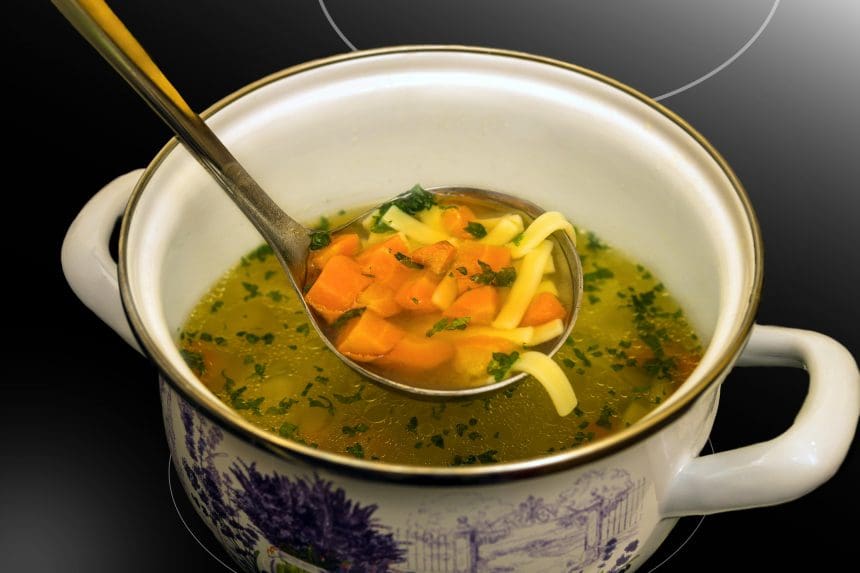
(STL.News) What’s the one thing you still crave from that trip you took three years ago? Was it the view, the weather, or was it that perfect bowl of gumbo you had in New Orleans that still visits your dreams uninvited? Travel has a funny way of turning meals into memories. Whether you’re road-tripping through Sevierville, Tennessee, or hopping across continents, comfort food isn’t just a treat—it’s an anchor.
We may forget itineraries or ticket stubs, but we remember the warm biscuit from a mountain diner or that life-affirming stew from a rainy night abroad. Food lingers. It’s travel’s most personal souvenir—smelled, tasted, and, sometimes, mourned.
Food as the First Souvenir
Long before we hunt for fridge magnets or woven coasters, we collect flavors. They’re immediate, immersive, and deeply personal. Comfort food in particular has a way of slipping under our cultural radar to tell us something real about a place. It’s the difference between sightseeing and soul-feeding.
Take Sevierville, TN, for instance—a gateway to the Smokies and a town that takes its BBQ seriously. Tucked away in this Appalachian haven, Sevierville TN BBQ isn’t just about sauce—it’s a story told in slow-cooked pork and smoke. At Buddy’s bar-b-q, locals and travelers line up not just for the tender pulled pork but for the unspoken understanding that this is what “home” tastes like here. It’s not fine dining. It’s fire pit philosophy. It’s comfort food in its most democratic, unpretentious form, the kind that leaves napkins stained and hearts oddly fuller.

Food like this is never just about calories. It’s about context. It’s memory in edible form—and we chase it from state to state like the delicious form of nostalgia it is.
The Science of Craving Familiarity
Psychologists have long known that food and memory are tightly intertwined. Smells in particular bypass our analytical brain and punch straight into the emotional one. When you travel, especially somewhere new or overwhelming, your senses are on high alert. Amid all the newness, comfort food steps in like a familiar face in a crowd. It doesn’t need to be the food from your childhood—just food that’s warm, filling, and evocative of care.
In a world rapidly shifting due to globalization and digital culture, the idea of “comfort” has also evolved. We’re seeing the rise of fusion comfort foods—Korean fried chicken tacos, vegan mac and cheese, pho-inspired ramen burgers. They reflect the reality of travelers who may crave something familiar and novel at once. This strange duality mirrors how many of us feel when exploring new places: exhilarated but secretly craving the known.
Global Palates, Local Plates
The travel industry today isn’t just marketing attractions—it’s marketing taste. Airbnb’s “Experiences” section is filled with food tours, cooking classes, and “eat with locals” evenings. Post-pandemic wanderlust has taken a culinary turn. More travelers want to eat like locals, and more locals are figuring out how to serve up their identity through flavor.
Even so, comfort food is often where cultural nuance thrives. You don’t really understand Mexico City until you’ve had a quesadilla with or without cheese and navigated that regional debate. You haven’t truly been to Tokyo if you haven’t slurped ramen in a dim-lit shop at 1 a.m. with strangers pretending not to make eye contact. These are meals that live in your bones long after your Instagram stories expire.
Comfort Food as a Bridge, Not a Barrier
There’s a delicate irony to how comfort food both preserves and adapts. Some travelers hunt for “safe” food—a burger in Bangkok or a pizza in Cairo. Others seek “authentic” dishes, sometimes bordering on culinary gatekeeping. But comfort food offers a third route: food that feels rooted, but flexible enough to invite outsiders in.
One example? The rise of diasporic pop-ups in global cities—Filipino rice bowls in Paris, Nigerian jollof in Toronto, Pakistani-style street corn in Berlin. These aren’t restaurant chains sanitizing heritage; they’re real people sharing what gives them comfort, even far from home. For tourists, these bites offer a unique insight: not just what locals eat, but what immigrants miss.
TikTok, Tourism, and Tastebuds
It would be impossible to ignore how social media now drives the comfort food conversation. TikTok food trends often cross borders before airline bookings do. You might find yourself in Italy seeking cacio e pepe, not because it’s on a Michelin list, but because a Brooklyn-based influencer raved about it mid-twirl.
This presents both opportunities and risks. On the one hand, it democratizes discovery. On the other hand, it compresses centuries-old traditions into thirty-second content. Travelers should be mindful: chasing clout-food might get you the photo, but it won’t necessarily get you the story behind it. There’s no real comfort in a line-waiting hype snack that tastes like reheated disappointment.
Bringing It Home (Literally)
Perhaps the most telling sign of comfort food’s role in travel is what we do after the trip ends. We try to recreate those dishes at home. We scour online recipes for the cinnamon-to-rice ratio in that Thai dessert or mail-order spice blends from that Moroccan souk. We cling to flavor as a way to extend the magic.
In many cases, we fail. The texture is off, the timing is wrong, and the altitude messes up the bake. But that’s almost beside the point. What we’re really chasing isn’t perfection. It’s memory. The food wasn’t just delicious—it was where we were, who we were, who we met. It’s comfort not just from the food, but from the feeling it created.
Comfort food, when tied to travel, becomes a compass of sorts. Not one that always points north, but one that always points home—wherever that happens to be at the time.
Other Lifestyle News stories published on STL.News:
- Planning Trips That Feel Special Without Big Attractions
- Top Sources for New Player Casino Bonuses
- How to Gain Clearance For Tough Off-Road Terrain
- 7 Important Tips When Buying A High-Quality Velvet Quilt Covers
- Keeping Your Home Clean in the Gateway Region
© Copyright 2026 – St. Louis Media LLC dba STL.News