U.S. banking regulators closed several enforcement actions in December, signaling that remediation by affected institutions was complete.
The actions involved both major national banks and smaller regional lenders.
Regulators emphasized these terminations reflect compliance milestones, not new penalties.
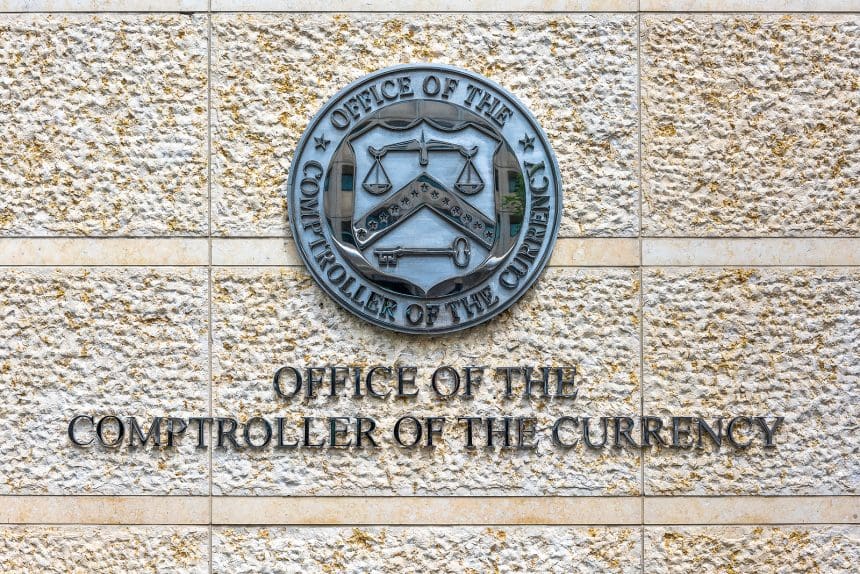
WASHINGTON (STL.News) The Office of the Comptroller of the Currency announced the termination of multiple bank enforcement actions in December 2025, marking the conclusion of regulatory oversight tied to previously identified compliance and risk-management issues.
The announcement, released as part of the OCC’s routine enforcement update, confirms that the affected institutions either satisfied corrective requirements, rendered earlier findings obsolete, or transitioned remaining concerns into updated supervisory frameworks.
No New Penalties Issued
The OCC stressed that the December release does not introduce new enforcement actions or financial penalties. Instead, it reflects the formal closure of existing orders, some of which had been in place for several years.
Enforcement actions are terminated only after regulators determine that banks have demonstrated sustained compliance or that continued enforcement is no longer necessary under current supervisory conditions.

Institutions Affected
Among the institutions seeing enforcement actions lifted was Citibank, N.A., where the OCC terminated an amendment to a prior consent order issued in 2024. The action indicates that the required remediation steps have been completed or incorporated into broader oversight measures.
Several community and regional banks also exited formal agreements with the OCC, including First National Bank of Lake Jackson, The First National Bank of Dennison, The Idabel National Bank, and The National Bank of Coxsackie.
Formal agreements typically require banks to address deficiencies in governance, compliance, capital management, or internal controls under heightened regulatory supervision.
UBS Cease-and-Desist Order Ends
One of the most significant terminations involved UBS AG Stamford Branch, where the OCC lifted a cease-and-desist order that had been in effect since 2018.
Cease-and-desist orders represent one of the OCC’s strongest enforcement tools and are reserved for serious regulatory concerns. Their termination generally follows years of remediation, monitoring, and compliance verification.
What a Termination Means
Ending an enforcement action does not erase past violations or negate prior findings. Instead, it signals that regulators believe deficiencies have been corrected or no longer warrant formal enforcement.
Banks subject to enforcement actions must typically submit remediation plans, undergo frequent examinations, and maintain compliance over extended periods. Failure to meet expectations can result in penalties or escalated actions.
Regulatory Transparency and Oversight
The OCC publishes monthly enforcement terminations as part of its transparency efforts, providing insight into the regulatory lifecycle governing U.S. banks. While enforcement actions may conclude, institutions remain subject to ongoing supervision.
Regulators have increasingly focused on operational resilience, governance standards, and risk controls as part of broader efforts to maintain stability in the banking system.
Outlook
For affected institutions, the closure of enforcement actions may ease operational constraints and reduce regulatory burdens. For the broader banking sector, the update reinforces that enforcement actions are corrective in nature, designed to bring institutions back into compliance rather than impose permanent sanctions.
Related Business News published on STL.News:
© 2026 – St. Louis Media, LLC d.b.a. STL.News. All Rights Reserved. Content may not be republished or redistributed without express written approval. Portions or all of our content may have been created with the assistance of AI tools, such as Gemini or ChatGPT, and are reviewed by our human editorial team. For the latest news, head to STL.News.