Headline: Iranian-Americans in L.A. Share Varied Views on Iran Conflict
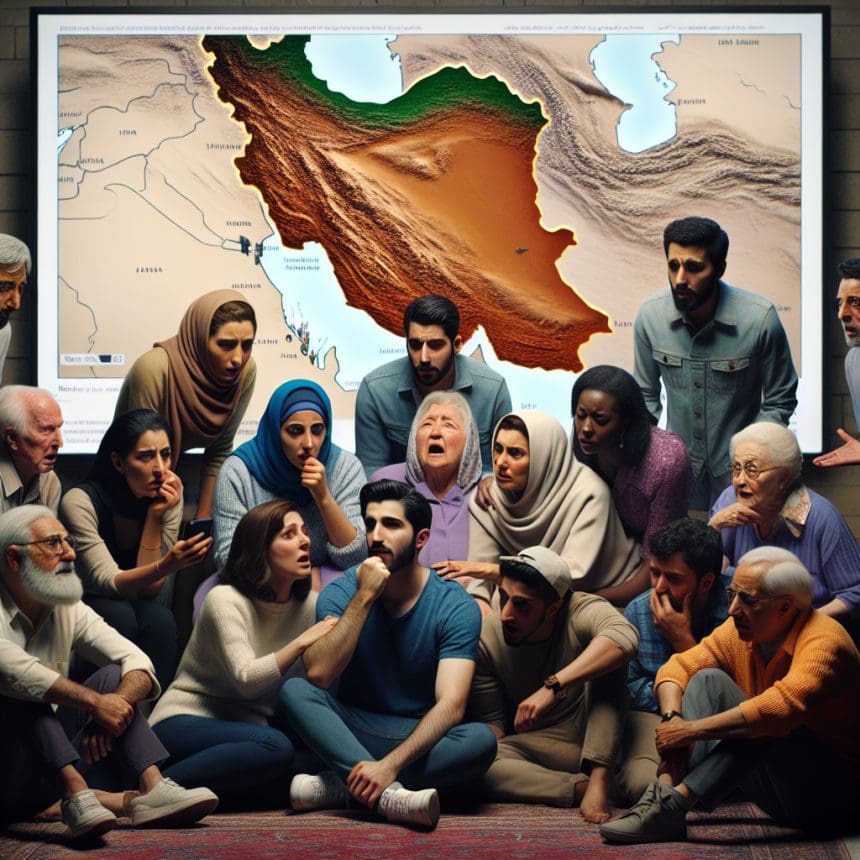
In the wake of escalating tensions between Iran and Western powers, Iranian-Americans in Los Angeles are expressing a complex array of emotions regarding the ongoing war. On October 15, 2023, community leaders and residents gathered at various local establishments and community centers across L.A. to voice their concerns, hope, and fear over the implications of the renewed conflict in their homeland. With deep familial ties to Iran and a strong sense of identity in the U.S., reactions range from anger and despair to solidarity and calls for peace.
The Iranian-American community in Los Angeles has long served as a vibrant cultural hub, home to over 100,000 individuals of Iranian descent. As the situation in Iran deteriorates, many are grappling with a sense of helplessness. “It’s hard to watch the news every day, knowing that my family is over there. Every report brings fear,” says Leila, a 35-year-old Iranian-American whose parents still reside in Tehran. Her emotional turmoil reflects that of many others in the community, torn between their American identity and Iranian roots.
Others are vocal about their frustration not only with the Iranian regime but also with the implications of foreign intervention. "We need to focus on the Iranian people and their fight for freedom," argues Amir, a local activist who has organized several rallies advocating for democracy in Iran. "Outside powers should not exploit this situation. We must support the voices of the Iranian people rather than turn them into pawns in geopolitical games."

For many Iranian-Americans like Amir, the conflict has spurred a renewed commitment to raising awareness and advocating for change. Community organizations such as the Persian Cultural Center and the Iranian American Muslim Association have organized educational forums and discussions to address the current situation. On October 20, a panel discussion will be held to analyze the historical context of the conflict and explore ways for the community to engage constructively.
Tensions in Iran began to rise significantly following the recent protests led by women advocating for their rights. The Iranian government responded with further crackdowns, fortifying the emotions felt on the ground. For members of the diaspora, this is not just a distant conflict; it is personal. Many express a duality of identity: pride in their Iranian heritage coupled with the frustration of living far from a home that, for many, remains a beacon of hope and despair.
Local businesses have also felt the chilling effects of the conflict. A popular Persian restaurant in Westwood, Café Persia, has seen a decline in customers following news reports of violence and repression in Iran. Owner Farid, who has been in L.A. for over two decades, expresses concern for the future. “I worry for my family back home, and I feel disheartened seeing how people react here. Just a few months ago, we were all celebrating Nowruz together. Now, there’s a shadow over everything,” he says.
Conversely, the situation has also spurred community solidarity and activism. A coalition of Iranian-American youth has organized a series of flash-mob gatherings to promote peace and awareness of the Iranian plight. Emphasizing cultural unity, young activists hold signs with slogans such as "No War on Iran" and "Stand with the People of Iran." These public demonstrations aim not only to voice opposition to the war but also to foster a sense of community, bridging generational divides and encouraging dialogue among Iranian-Americans.
The dichotomy of perspectives within the Iranian-American community underscores the complexities of diaspora identity. Some members find strength and connection in their Iranian culture and history, while others wrestle with the implications of their roots. Social media platforms have become outlets for expression, with many individuals sharing their stories and personal narratives.
However, there is also a palpable fear that the current situation could pave the way for a more significant global conflict. “Every war starts with a misunderstanding,” notes Zareh, a political scientist and Iranian-American who has been closely following the developments. “Knowing how these things usually escalate, it worries me that not just Iranians but people in the region will suffer. We must remain vigilant and educated.”
Iranian-Americans in Los Angeles also reflect on the broader context of the war and its potential impact on global politics. Many express concern about the risk of a protracted conflict that could lead to renewed instability in the Middle East.
In response to these fears, local community leaders are advocating for dialogue and engagement over hostility. An initiative known as “Bridges of Understanding” aims to create partnerships between Iranian-Americans and broader American society, emphasizing shared values and mutual respect. Scheduled discussions will explore how individuals and community leaders can work toward understanding and peace in a time of turmoil.
As Iranian-Americans navigate the myriad emotions stemming from the war, it is clear they face a critical moment in their community’s narrative. There is a shared commitment to not only advocating for the rights of those in Iran but also providing support to each other in these trying times. Each voice carries weight, contributing to a complex tapestry of response that showcases the resilience of the Iranian-American identity.
In closing, the dialogue surrounding the conflict in Iran remains one of hope and activism entwined with fear and uncertainty. As Los Angeles remains a focal point for Iranian-American expression, the community’s ability to unify and channel its shared experiences may prove vital in navigating the challenges ahead. The mixing of emotions—a reflection of their diverse identities—illustrates a collective commitment to peace, justice, and understanding amidst chaos.