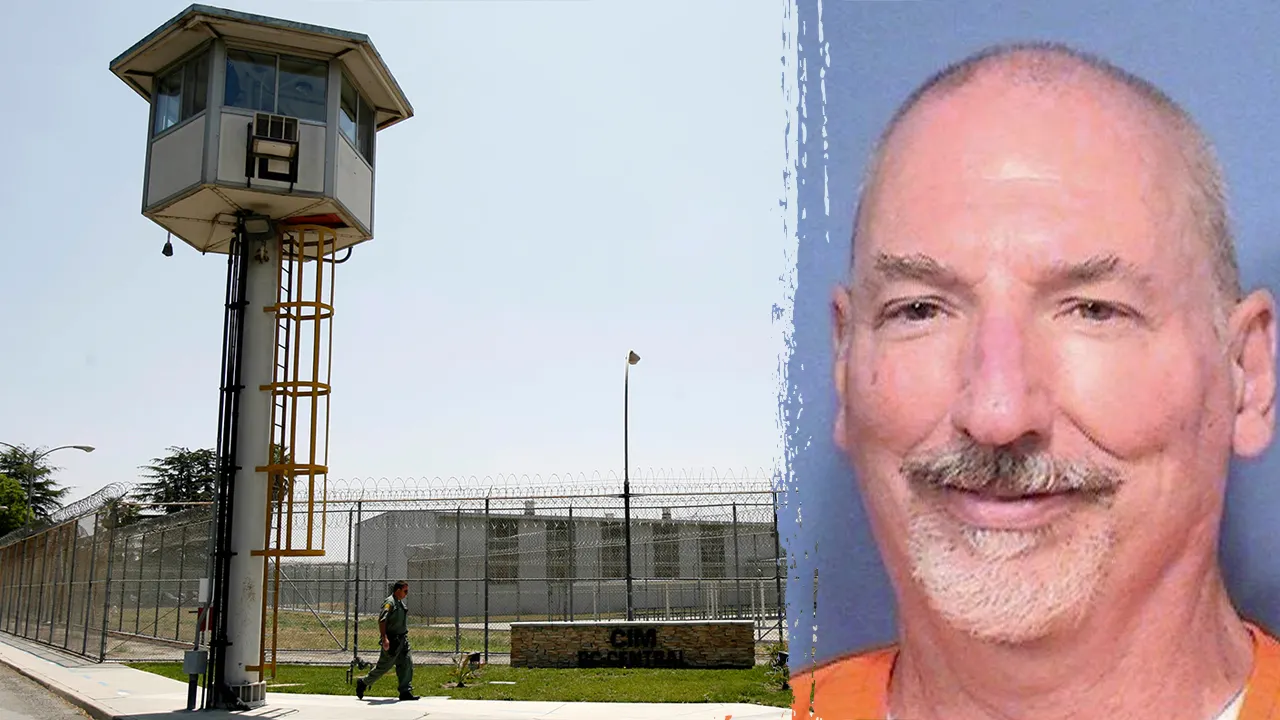
ICE Criticizes Pennsylvania County for Releasing Sexual Assault Suspect
In a recent incident that has sparked national attention, the U.S. Immigration and Customs Enforcement (ICE) agency publicly criticized a Pennsylvania county for releasing a suspect accused of sexual assault despite having a detainer request in place. The situation raises serious questions about local law enforcement policies, the management of criminal cases, and the safety of the community.
Summary
- ICE has condemned the Pennsylvania county’s decision to release a sexual assault suspect.
- The agency emphasizes the potential threat to public safety.
- Local policies on detainers and immigration enforcement are under scrutiny.
Background of the Incident
The controversy unfolded when a Pennsylvania county law enforcement agency opted to release a man arrested for sexual assault, overlooking an outstanding ICE detainer. This detainer, a formal request to local law enforcement agencies to hold individuals for ICE, aims to ensure that suspects facing deportation proceedings are not released back into the community, especially if they pose a safety risk.
The Role of ICE
ICE is responsible for enforcing immigration laws in the U.S. and is tasked with identifying individuals who may be living in the country unlawfully. The agency frequently issues detainers when they believe a suspect may be undocumented. In this case, ICE argued that the county’s decision not to honor their detainer request not only undermines their efforts but also potentially jeopardizes public safety.
Local Law Enforcement Policies Under Scrutiny
The decision made by the county has ignited a heated debate about the policies governing local law enforcement and their collaboration, or lack thereof, with federal immigration authorities. Many communities across the U.S. have adopted "sanctuary" policies, which limit local involvement in federal immigration enforcement. Critics argue that these policies can lead to dangerous consequences.

Pros and Cons of Sanctuary Policies
-
Pros:
- Community trust: Such policies may encourage undocumented immigrants to report crimes without fear of deportation.
- Focus on serious crime: Allows law enforcement to prioritize serious criminal offenses rather than immigration status.
- Cons:
- Potential threats: Critics contend that releasing individuals with serious criminal charges poses significant risks to public safety.
- Federal government concerns: It complicates federal efforts to enforce immigration laws and maintain national security.
Community Reactions
The release of the sexual assault suspect has drawn sharp reactions from various sectors of the community. Victims’ advocacy groups have voiced outrage, stating that the county’s decision sends the wrong message about public safety and accountability. Supporters of ICE argue that local authorities must enforce federal detainers to ensure that those with criminal backgrounds do not continue to endanger citizens.
Legal Ramifications
The legal implications of this incident are profound. The failure to honor an ICE detainer can lead to legal challenges, including potential lawsuits from victims or their families. Localities that choose to ignore these requests may find themselves in complex legal battles, with the potential for ramifications that extend beyond the immediate case.
The Importance of Collaboration
Collaboration between local law enforcement and federal agencies is crucial for maintaining public safety and managing crime effectively. By working together, authorities can share vital information and resources, allowing for a more cohesive approach to law enforcement. However, this collaborative effort has been undermined by local policies that resist federal immigration guidelines.
Public Safety Concerns
The primary concern surrounding the release of this suspect revolves around public safety. Advocates for strict immigration enforcement argue that individuals with serious criminal charges should not be released back into the community without accountability. Critics of local sanctuary policies assert that such decisions can pose a threat to vulnerable populations and undermine public trust in the justice system.
The Scope of the Problem
This incident is not an isolated case. Similar situations have occurred across the country, leading to an ongoing dialogue about the balance between community safety and the rights of individuals involved in the immigration system. Understanding the broader implications of these incidents is critical for shaping future policy decisions.
Moving Forward: Policy Recommendations
As the debate continues, stakeholders must engage in open dialogue to explore solutions that address public safety while respecting the rights of all residents. Some potential policy recommendations include:
- Reassessing Detainer Protocols: Local agencies should consider revising their policies to better align with federal requests where public safety is at stake.
- Training for Law Enforcement: Providing comprehensive training for local officers on immigration laws and detainer requests can create a more informed approach.
- Community Engagement: Building trust between law enforcement and the community can enhance public safety while respecting the rights of all individuals.
Conclusion
The decision made by the Pennsylvania county to release a sexual assault suspect amidst an ICE detainer request serves as a crucial case study in the ongoing immigration debate. Balancing public safety with the complexities of immigration law requires careful consideration and collaboration among all stakeholders.
The reality is that community safety should always remain a top priority, and policies must reflect that commitment. As discussions continue, it is essential for local law enforcement agencies to reclaim their accountability in protecting the community while navigating the complicated landscape of immigration and law enforcement.
By shedding light on this incident, communities nationwide can engage in meaningful discussions about public safety, immigration enforcement, and best practices in law enforcement. It serves as a reminder that every decision has consequences, and the safety of residents must be the foremost agenda.