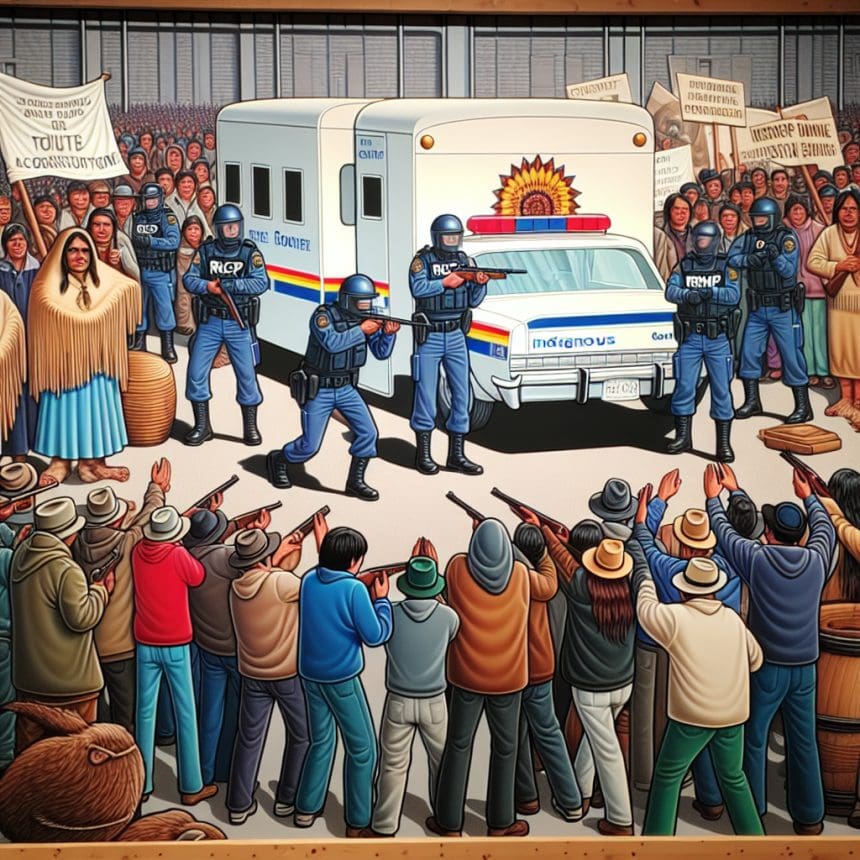
Headline: RCMP’s Covert Role in 1970s Indigenous Rights Exposed
In a surprising revelation, documents uncovered by researchers have shown that the Royal Canadian Mounted Police (RCMP) infiltrated the Indigenous rights movement during the 1970s. The espionage efforts aimed to monitor activists across Canada, spanning from urban centers like Vancouver to remote Indigenous communities. This covert operation raises significant questions about government actions against Indigenous advocacy during a pivotal time for Indigenous rights in Canada.
The 1970s marked a critical period in Canada’s history, characterized by heightened activism among Indigenous groups advocating for land rights, self-determination, and cultural preservation. Movements such as the American Indian Movement (AIM) in the United States inspired similar actions in Canada, leading to significant protests and the formation of organizations focused on Indigenous rights. However, these efforts did not go unchallenged; the RCMP’s infiltration has now been exposed as part of a broader strategy to surveil and disrupt these movements.
For decades, the relationship between Indigenous peoples and the Canadian state has been fraught with distrust, rooted in colonial histories and systemic injustices. The new documents highlight how the RCMP viewed Indigenous activism as a threat rather than a legitimate expression of rights and grievances. The RCMP’s operations included surveillance, infiltration, and in some cases, the use of informants to gather intelligence on leaders and organizations participating in the Indigenous rights movement.
One of the most notable incidents reported in these documents dates back to 1974, when the RCMP initiated Operation COINTELPRO-like tactics against various Indigenous rights groups. Tactics ranged from spying on meetings to imposing psychological pressure on activists to deter them from their cause. This governmental approach resulted in mistrust that still resonates within Indigenous communities today, complicating efforts to establish meaningful dialogue with state authorities.

Indigenous leaders have long accused the RCMP of breaching trust and interfering in what they have described as a struggle for basic human rights. The fallout from these revelations has prompted calls for accountability and a reassessment of historical narratives regarding governmental engagement with Indigenous peoples. It is crucial, as some advocates argue, that the Canadian government and the RCMP acknowledge and apologize for their actions to rebuild trust with Indigenous communities.
As more details come to light, the historical significance of these infiltration tactics becomes increasingly evident. The resistance movements of the 1970s have laid the groundwork for the present-day discourse surrounding Indigenous rights in Canada. Current advocacy for land restitution, environmental justice, and cultural revitalization can be traced back to the struggles of that era. The old wounds resurfacing from this new evidence challenge Canadians to confront their history rather than gloss over it.
In the wake of these findings, organizations advocating for Indigenous rights are demanding comprehensive reviews of how intelligence agencies engage with Indigenous communities. Calls for transparent investigations into the RCMP’s past conduct are growing louder, emphasizing that a thorough understanding of historical injustices is vital for reconciliation efforts today.
Activists acknowledge the significant impact of governmental surveillance on the progress of Indigenous rights. By disrupting grassroots initiatives and instilling fear among prominent leaders, the RCMP’s actions impeded the growth of a cohesive opposition movement. Today, Indigenous rights activists emphasize the importance of building trust and fostering open communication channels as a means to counteract the legacy of surveillance and distrust.
Moreover, the infiltration tactics used by the RCMP are indicative of a broader societal challenge regarding civil liberties and the right to protest. Critics argue that the techniques employed against Indigenous activists during the 1970s reflect ongoing issues with how law enforcement interacts with marginalized communities. As conversations surrounding policing and accountability gain momentum in Canada, these historical revelations serve as a critical reminder of the need for systemic reform within law enforcement agencies.
The journey of reconciliation between Indigenous peoples and the Canadian state requires confronting uncomfortable truths about the past. Increased scrutiny of the RCMP’s legacy offers an opportunity for Canadians to reflect upon their collective history and work towards a more inclusive future. For many Indigenous individuals, recognizing and addressing the injustices of the past is paramount for healing and coexistence.
In response to the revelations, Indigenous leaders are calling for greater representation and the inclusion of Indigenous perspectives in shaping future policies. They argue that genuine reconciliation must involve Indigenous voices at every level of decision-making to prevent a reoccurrence of past injustices. Collaborative efforts to create an inclusive dialogue rooted in mutual respect and understanding are essential for healing the wounds created by decades of surveillance and oppression.
The public’s interest in these revelations has sparked discussions across platforms, emphasizing the importance of historical awareness in current sociopolitical contexts. The legacy of the 1970s Indigenous rights movement is echoed in contemporary struggles for justice, equity, and recognition of rights for Indigenous peoples in Canada.
As more findings emerge, the historical narrative surrounding the RCMP’s role in the Indigenous rights movement is being rewritten. The lasting implications of these infiltrations serve as a cautionary tale about the lengths to which authorities may go to suppress the voices of marginalized communities. Understanding this history not only enriches the narrative of Canada but also lays the groundwork for genuinely transformative reconciliation and healing efforts.
In conclusion, the exposure of the RCMP’s infiltration of the Indigenous rights movement in the 1970s marks a critical turning point in the ongoing struggle for justice. As Canadian society grapples with its colonial past, reflective discourse, and active accountability measures, there is hope for a future wherein Indigenous rights are respected, recognized, and upheld as fundamental to the Canadian identity.