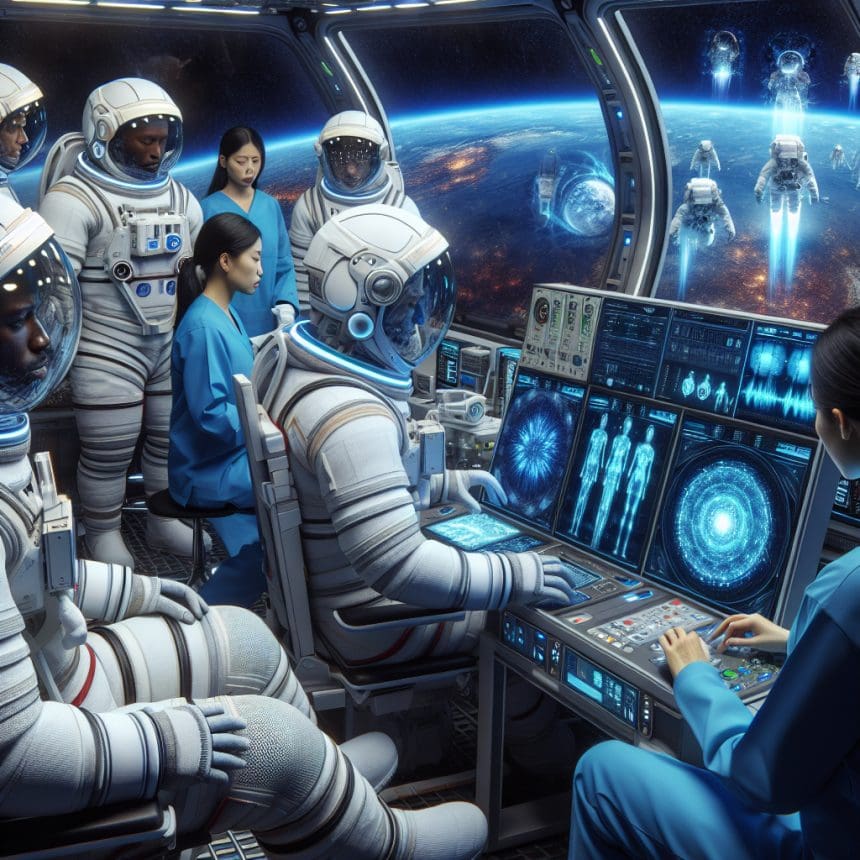
Headline: Astronauts Tackle Space Emergencies with Innovative Solutions
In the unforgiving environment of space, medical emergencies pose significant challenges to astronauts aboard the International Space Station (ISS). As these brave individuals work to advance scientific knowledge, critical developments in emergency medical training and preventive measures are underway. NASA, in collaboration with various research institutions, is enhancing protocols and technologies to adequately address health crises that could arise during long-duration missions. This comprehensive approach seeks to minimize risks and improve astronaut health on future expeditions, especially those destined for Mars.
Addressing Medical Emergencies in Space
In an environment where medical resources are limited, a medical emergency can quickly escalate to a life-threatening situation. Astronauts undergo rigorous training before their missions, which includes scenarios involving medical emergencies. This training covers a range of skills, from basic first-aid techniques to operating advanced medical equipment. Each astronaut is equipped with a comprehensive medical kit that includes essential supplies, ranging from bandages and medications to advanced devices like an ultrasound machine. These kits are designed for immediate use, allowing astronauts to stabilize conditions until further help can be arranged.
One of the critical preparatory steps involves simulations that replicate the challenges of treating patients in microgravity. For instance, conditions like disorientation or weakened muscle function can hinder treatment efforts. To tackle these obstacles, astronauts train in simulators that mimic the ISS environment, allowing them to practice their skills in real-world-like scenarios.

The Role of Telemedicine
Telemedicine has emerged as a pivotal tool in managing medical emergencies in space. Equipped with a robust communication system, astronauts can consult with Earth-based medical experts in real-time. This capability ensures that they receive guidance tailored to their specific health situation. During a recent mission, a Russian astronaut experienced severe back pain that required immediate attention. By utilizing telemedicine, onboard medical staff were able to consult a physician on Earth, who provided diagnostic support and potential treatment options.
Telemedicine not only extends the technical expertise available to astronauts but also enhances their mental well-being. Knowing that medical personnel are just a call away can significantly reduce anxiety during a crisis. It fosters a sense of security, essential for maintaining focus in high-pressure situations.
Preventative Measures: The Future of Health in Space
Recognizing that prevention is better than treatment, scientists are actively researching ways to mitigate health risks in space environments. One pressing concern is the impact of microgravity on the human body. Prolonged exposure to this environment can lead to muscle atrophy, bone density loss, and cardiovascular problems. To combat these issues, astronauts regularly engage in exercise routines using specialized equipment, ensuring they maintain physical health.
Additionally, scientists are exploring dietary adjustments aimed at bolstering astronaut health. Nutrition plays an essential role in overall well-being, and recent studies indicate that certain supplements may help counteract the adverse effects of long-term space travel. Ongoing research focuses on formulating meals that provide all necessary nutrients in an efficient format, making meal prep easier in the limited space of the ISS.
Cutting-Edge Research in Space Health
As humanity prepares for potential voyages to Mars and beyond, the importance of maintaining astronaut health has gained prominence. Research into new medical technologies tailored for space travel is being prioritized. For example, scientists are exploring portable diagnostic devices that can quickly analyze blood samples and provide immediate results. Such innovations would allow astronauts to assess their own health conditions more accurately and rapidly.
One exciting development is the use of artificial intelligence (AI) in medical diagnostics. By training AI algorithms on vast datasets of health information, scientists aim to create tools that can assist astronauts in identifying health issues and recommending treatments in real-time. These AI systems would analyze symptoms and medical histories, providing support while minimizing human error.
Collaboration for Enhanced Safety
International collaboration is key to advancing space health safety. Various countries, including the United States, Russia, and Japan, share expertise and resources to tackle common medical challenges. Regular joint missions help foster relationships between astronauts and medical professionals across different nations, enhancing knowledge transfer and cooperative problem-solving.
Furthermore, the development of contingency plans for medical emergencies is not solely an individual effort. Each mission involves extensive discussions about potential health risks, with scientists and astronauts working together to create comprehensive strategies for various scenarios.
Conclusion: A Safer Future for Space Exploration
As long-duration space missions become a reality, addressing medical emergencies effectively is a necessity for the safety and success of astronauts. Through advanced training, telemedicine, innovative research, and international collaboration, NASA and other organizations are committed to ensuring that astronauts are well-prepared for any health crisis they might face. With ongoing developments, the future of health in space looks brighter, paving the way for longer journeys and more ambitious exploration beyond our planet.
As scientists continue to push the boundaries of our understanding of human health in space, the lessons learned will undoubtedly influence not just astronauts but also advancements in medical practices back on Earth. The ultimate goal is clear: to create a safe and healthy environment for those venturing into the unknown.