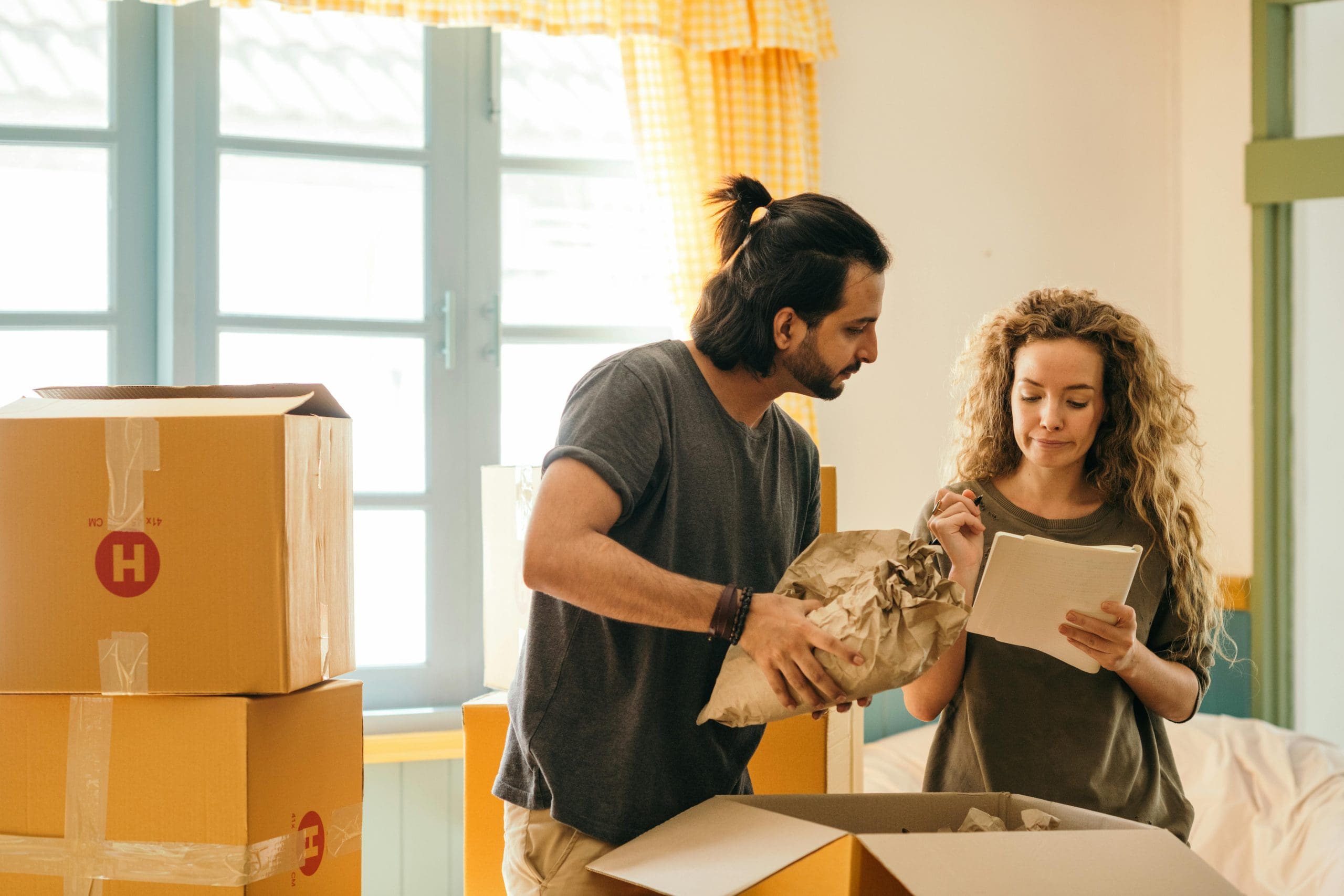
(STL.News) Moving to a new home can feel exciting and stressful at the same time. You may feel ready for a fresh start, but the thought of packing and planning can feel heavy. A long-distance move takes more effort than a local one. It involves more steps, more timing, and more decisions.
The good news is that solid preparation makes a huge difference. When you prepare your home properly, you save time, protect your belongings, and reduce stress. These home preparation tips will help you feel more confident and prepared before your long-distance move begins.
Start With a Clear Moving Plan
The best moves start with a plan. When you know what needs to happen and when, everything feels easier. Start by choosing a moving date and working backward. Create a simple checklist you can update as you go. This keeps tasks from piling up at the last minute and helps you stay focused.
Early planning also helps you choose the right moving support. Many homeowners prefer working with established movers who understand long-distance logistics. Companies like Coleman Worldwide Moving help families plan ahead, coordinate timelines, and avoid common moving mistakes. Having experienced support lets you focus on preparing your home rather than worrying about every detail.

Once you have a plan, stick to it. Review it weekly. Adjust it when needed. Even small updates can prevent larger issues later.
Declutter Before You Pack
Packing is easier when you own fewer things. Before you touch a box, take time to declutter your home. Walk through each room and decide what still fits your life and your new space. Items you no longer use only add weight and cost to your move.
Sort items into clear groups. Keep what you love and need. Donate items in good condition. Sell valuable items you no longer want. Throw away anything broken or expired. Start with storage spaces since they often hold forgotten items.
Decluttering also helps your new home feel more organized from day one. You will unpack faster and enjoy your space sooner.
Organize Important Documents and Records
Some items should never go on a moving truck. Important documents need to stay with you at all times. Gather personal records early so they do not get lost in the shuffle.
Create a folder or a small box for items such as identification, medical records, insurance papers, school documents, and moving contracts. Include your movers’ contact information and your new address details.
Keep this folder in your car or carry-on bag. Easy access to documents helps you handle unexpected situations without added stress.
Prepare Each Room One at a Time
Packing feels more manageable when you tackle one room at a time. Moving back and forth between spaces often leads to mess and misplaced items. Focus on completing one area fully before starting another.
Write clear labels on every box with the room name and a brief note about what is inside. This helps movers unload faster and makes unpacking more organized. You can also number boxes and keep a simple checklist for reference.
Start with items you rarely use. Pack seasonal decor, extra linens, and spare room belongings first. Save everyday items for the final days before the move.
Protect Furniture and Fragile Items
Long-distance moves involve more handling and travel time. Proper protection matters more than ever. Before moving day, clean furniture and remove loose parts. Place hardware, such as screws, in labeled bags and tape them securely to the items they belong to.
Wrap fragile items carefully using sturdy boxes and proper padding. Mark boxes as fragile so movers know to handle them with care. Avoid overloading boxes since heavy boxes increase the risk of damage during transport.
Taking time to protect your belongings helps everything arrive safely at your new home.
Set Aside an Essentials Box
An essentials box makes the first day much easier. This box should hold items you need right away when you arrive. Think about what would help you feel settled during the first night.
Include basic toiletries, a change of clothes, phone chargers, medications, important paperwork, and simple tools. Add snacks, paper towels, and water, especially if you have kids or pets.
Keep this box with you instead of placing it on the moving truck. When you arrive tired, you will be glad you planned ahead.
Prepare Appliances and Utilities
Appliances need attention before a long-distance move. If you plan to move large appliances, prepare them early to avoid delays. Defrost refrigerators and freezers at least one day before moving. Clean and dry them fully to prevent odors.
Disconnect washers and dryers and secure hoses and cords. If you are unsure how to do this safely, ask a professional for help.
Schedule utility shutoff dates for your current home and set up dates for your new one. Transfer services like electricity, water, internet, and trash pickup. Do not forget to forward your mail and update your address with banks, subscriptions, and delivery services.
Get Your Home Ready for Moving Day
Moving day runs smoother when your home is ready. Clear hallways, staircases, and entry points. Remove obstacles that could slow down movers or cause accidents during loading.
If you live in an apartment or a busy neighborhood, reserve a parking space if possible. This saves time and reduces frustration. Keep pets and young children in a safe area during loading to avoid stress.
Do a final walkthrough before leaving. Check closets, cabinets, drawers, and storage spaces. Make sure nothing important gets left behind. Take a few photos of each empty room once the move is complete, as this can help with records, deposits, or any follow-up questions later.
Preparing your home before a long-distance move takes effort, but it pays off. When you plan ahead, declutter, and stay organized, the process feels more manageable. Each small step helps reduce stress and avoid problems later. A well-prepared home sets the tone for a smoother move and a better start in your new space. With the right approach, moving long distances can feel less chaotic and more rewarding.