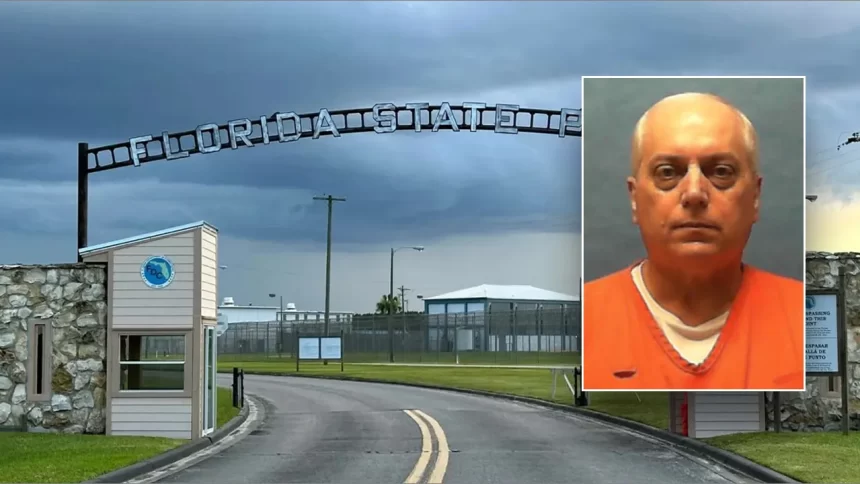
Michael Lee King Executed in Florida for 2008 Murder
In a significant legal development, Florida executed Michael Lee King on Thursday for the 2008 murder of Denise Amber Lee, a crime that shocked the local community. King was put to death at 6:00 PM at the Florida State Prison in Raiford, following a lengthy legal battle that included multiple appeals. Denise Amber Lee’s tragic death highlighted the serious issues surrounding domestic violence and the consequences of crime in Florida.
Background Information
The case began on January 17, 2008, when Denise Amber Lee was reported missing after she failed to return home from an outing. Her husband, an active participant in the search, soon became a central figure in efforts to find her. Tragically, her body was discovered days later in a remote area, leading investigators to Michael Lee King, who had a history of violent behavior.
King’s arrest and subsequent trial revealed a harrowing narrative of abduction and murder. Evidence presented in court indicated that Lee had been violently assaulted and killed by King, who was ultimately charged with first-degree murder. The case not only garnered media attention but also drew public outrage regarding the safety of women and the penalties for violent offenders.
The Trial and Legal Proceedings
Throughout King’s trial, the prosecution aimed to provide a comprehensive account of the events leading up to Lee’s disappearance. Witnesses testified to the circumstances surrounding her abduction, and DNA evidence solidified King’s connection to the crime. The jury returned a guilty verdict, and in 2009, he was sentenced to death.

King’s legal team filed multiple appeals, arguing issues regarding the trial procedures and questioning the validity of the evidence presented. Nevertheless, the Florida Supreme Court upheld the original verdict, setting a precedent for how the legal system deals with violent offenders in cases of domestic abuse.
Community Impact and Advocacy
Denise Amber Lee’s murder has had a lasting impact on the Florida community, igniting discussions about domestic violence prevention and victims’ rights. In response to her death, advocacy groups have worked tirelessly to push for legislation aimed at protecting individuals from domestic threats. The case has become emblematic in the fight against violence, highlighting the urgent need for better systems to assist victims and enforce laws that protect them.
In the years following the tragedy, the Lee family became advocates for change, participating in rallies and public discussions to raise awareness of the critical issues surrounding domestic violence. Their efforts have contributed to legislative reforms aimed at enhancing the response to domestic abuse incidents.
Execution Details
Michael Lee King’s execution took place without incident at Florida State Prison, following the state’s protocol for lethal injection. Review boards confirmed that all legal avenues had been exhausted, and the execution was carried out after the Supreme Court declined to intervene. Witnesses included members of law enforcement, victims’ advocates, and family members of Denise Amber Lee.
This execution marks another chapter in Florida’s use of capital punishment, a topic that has long been debated within legal and moral frameworks. While proponents argue it serves as a deterrent, opponents see it as an outdated form of justice that does not align with modern views on rehabilitation and human rights.
Expert Opinions
Psychologists and criminal justice experts have weighed in on the implications of capital punishment in today’s society. Many argue that the execution of individuals like King raises complex questions about morality and justice. Experts contend that while victims and their families may seek closure, society must also reflect on the efficacy of the death penalty as a deterrent to crime.
Moreover, discussions surrounding King’s execution and cases like his are often tied to larger issues of systemic reform within the criminal justice system. Advocates for reform suggest that resources should be allocated not only for punitive measures but also for prevention strategies that address the root causes of violence.
Conclusion
Michael Lee King’s execution serves as a painful reminder of the devastating effects of violent crime and the ongoing challenges faced by victims of domestic violence. While the legal system has taken steps to administer justice, the broader implications of King’s actions and the state’s response continue to resonate within the community. As Florida grapples with its policies on capital punishment, many hope for a future where such tragedies can be prevented through education, advocacy, and systemic reform.
This case not only brings closure to Denise Amber Lee’s family but also highlights the urgent need for ongoing discussions about violence against women, the effectiveness of the legal system, and the moral considerations surrounding the death penalty in America.