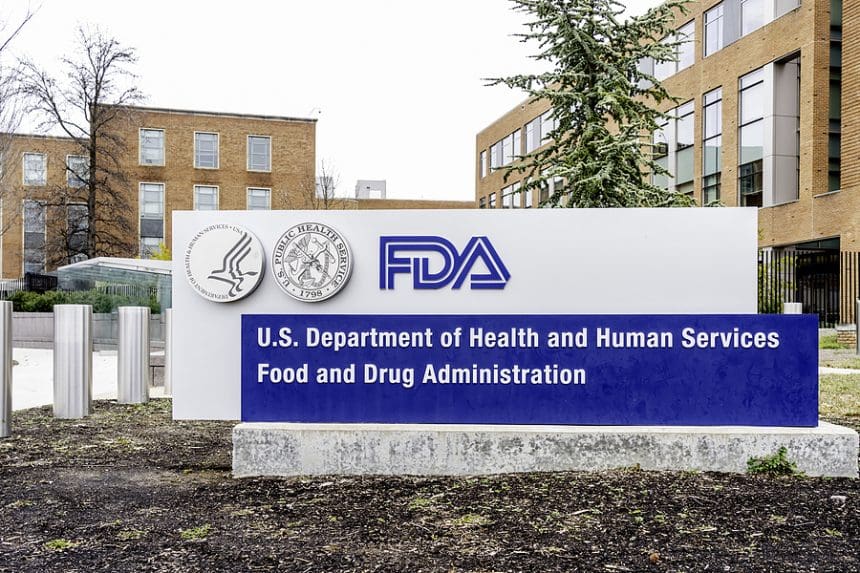
FDA Signals Enforcement Action Against Non-Approved GLP-1 Weight-Loss Drugs
The FDA says it plans to take enforcement action against non-approved GLP-1 drugs marketed for weight loss.
Officials warn that compounded and mass-marketed alternatives may pose serious safety risks.
The move signals a broader crackdown on telehealth and compounding practices tied to obesity drugs.
(STL.News) The U.S. Food and Drug Administration has announced plans to take enforcement action against companies marketing non-FDA-approved GLP-1 drugs, escalating scrutiny of compounded weight-loss products that have surged in popularity amid nationwide demand.
In a public statement, the agency said it intends to restrict access to GLP-1 active pharmaceutical ingredients used to make compounded products widely marketed to consumers as alternatives to FDA-approved medications. Regulators emphasized that these products have not been reviewed for safety, effectiveness, or manufacturing quality.
FDA Draws a Line on Compounded GLP-1 Products
GLP-1 drugs, originally developed for diabetes treatment and later approved for weight management, have seen explosive demand in recent years. As shortages and high prices limited access to FDA-approved versions, compounded alternatives began appearing through telehealth platforms, wellness clinics, and online pharmacies.
The FDA said it is particularly concerned about products being mass-marketed rather than compounded for individualized patient needs. According to the agency, large-scale promotion of these drugs may violate federal law governing drug approval, labeling, and marketing.

Marketing Claims Under Scrutiny
The FDA warned that some companies are promoting compounded GLP-1 drugs using misleading language that suggests they are equivalent to approved medications. Regulators stressed that non-approved compounded products cannot legally be described as “generic,” “FDA-approved,” or clinically proven.
Officials also cautioned against claims that such products contain the same active ingredients as approved GLP-1 drugs. Without FDA oversight, the agency said it cannot confirm the purity, dosage accuracy, or stability of these compounds.
Safety Concerns for Consumers
Federal health officials said unapproved GLP-1 products pose potential risks, including incorrect dosing, contamination, and unexpected side effects. Some products have also been sold with disclaimers such as “for research use only” or “not for human consumption,” yet marketed to consumers seeking weight-loss treatment.
The FDA urged patients to verify whether medications are FDA-approved and to consult licensed healthcare providers before using any GLP-1 drug for weight management.
Enforcement Signals a Broader Crackdown
While the FDA did not announce specific enforcement actions or deadlines, the statement signals a shift from warnings to active regulatory intervention. Industry observers view the announcement as a message to telehealth companies, compounding pharmacies, and online sellers that aggressive marketing of unapproved GLP-1 products will no longer be tolerated.
The agency said it will continue to monitor the market and take action as needed to protect public health.
What Consumers Should Know
Patients currently using GLP-1 medications are encouraged to ask their providers whether their prescriptions are FDA-approved and dispensed by licensed pharmacies. The FDA reiterated that approved medications undergo rigorous review and ongoing safety monitoring, unlike compounded alternatives.
As demand for weight-loss treatments continues to grow, regulators have signaled that consumer protection and truthful marketing will remain top priorities.
© 2026 – St. Louis Media, LLC d.b.a. STL.News. All Rights Reserved. Content may not be republished or redistributed without express written approval. Portions or all of our content may have been created with the assistance of AI tools, such as Gemini or ChatGPT, and are reviewed by our human editorial team. For the latest news, head to STL.News.