Headline: Three Iranian Women’s Soccer Players Return Home Amid Refugee Dilemma
In a surprising turn of events, three members of Iran’s women’s national soccer team have chosen not to seek asylum in Australia, opting instead to return to their homeland. This decision emerged shortly after their participation in the AFC Women’s Asian Cup held recently in Australia. The players, whose identities have not been disclosed for security reasons, reached their conclusion following extensive discussions among team members, signaling the complex interplay of personal beliefs, family ties, and political contexts surrounding their potential refugee status.
The situation surrounding the Iranian players is an ongoing reflection of the challenges faced by athletes from oppressive regimes. While some members of the team previously considered staying in Australia for safety and freedom, these latest decisions have raised questions about the varying levels of risk tolerance among individuals living under authoritarian governments. The athletes’ return comes at a time when global attention remains focused on Iran, especially regarding women’s rights and the country’s political climate.
Rising Dissent in Iran
Over the last year, Iran has witnessed a surge in protests advocating for women’s rights, particularly following the tragic death of Mahsa Amini in police custody. The movement has not only sparked unrest within the country but has also drawn significant international support, further amplifying calls for change. For athletes, especially women, the stakes are particularly high. Many face pressure to conform to the stringent policies dictated by the Iranian government, which has historically limited women’s involvement in sports and public life.

Personal Stakes and Decisions
The three players’ decision to return highlights the personal circumstances that often underlie larger political movements. Each player has family in Iran, and the emotional weight of leaving loved ones behind can be overwhelming. This sentiment is particularly potent in a culture where family ties are deep-rooted, and the repercussions of seeking asylum can lead to severe consequences for relatives still residing in Iran.
While some players previously announced their intention to stay in Australia, believing that the benefits of asylum—including personal freedom and safety—outweighed the risks, these three have opted to prioritize family and heritage. Their stipulations serve as a reminder that the decision to flee one’s homeland is never straightforward, often influenced by a blend of fear, duty, and love.
Broader Implications
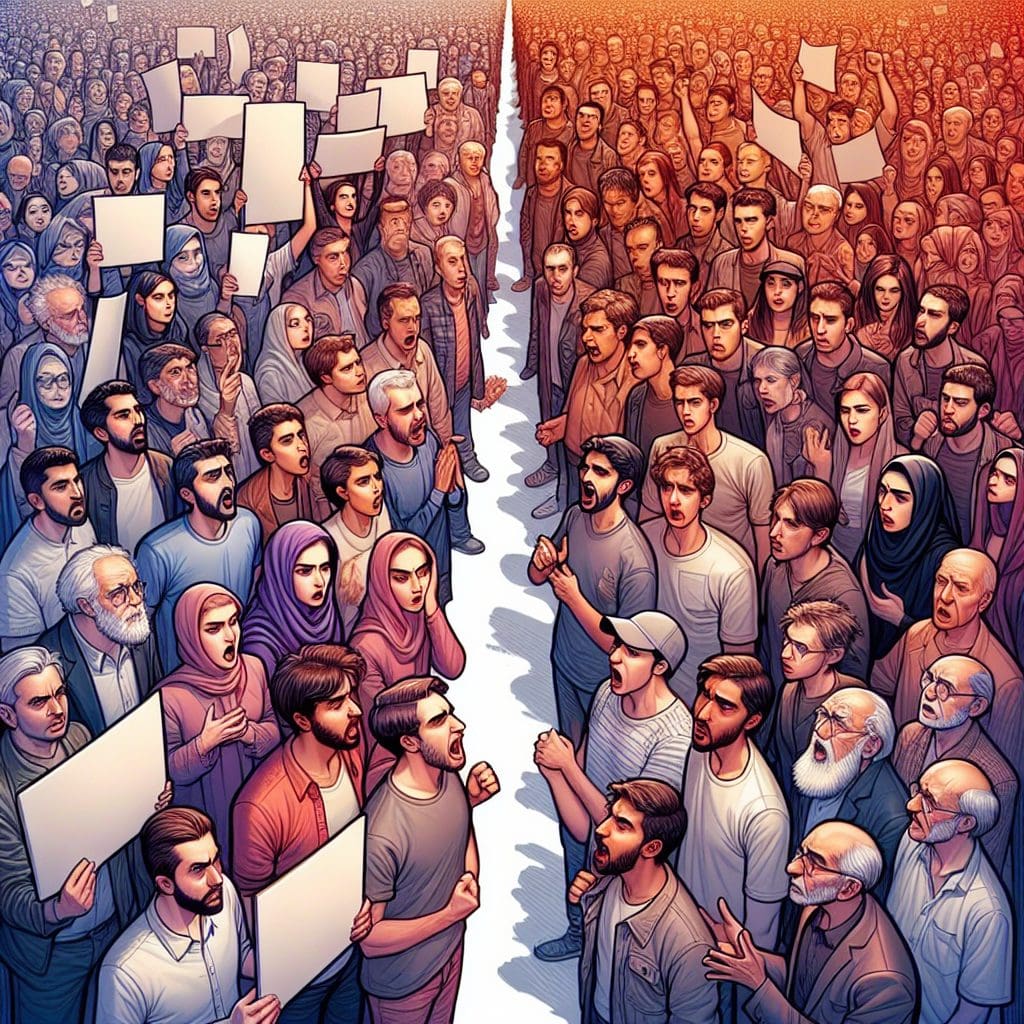
The decision made by these athletes underscores a complex divide within the team regarding asylum-seeking. The different choices made can serve to illuminate the varied experiences of women in Iran. Those who choose to stay and seek asylum often cite a desire for self-determination and hope for a better future, while others may feel an unbreakable connection to their home country and family, making the prospect of remaining abroad untenable.
Iranian women’s soccer has gained a spotlight due to the geopolitical implications of sport intersecting with politics. The Iranian government has been accused of using sports as a means of propaganda, showcasing the successes of female sports teams while simultaneously suppressing their rights off the field. The return of these players could also signal potential repercussions from the regime, particularly for those who have publicly supported the protest movements for women’s rights.
International Response
The global community closely monitors the situation, especially given the heightened awareness surrounding women’s rights in Iran and the ongoing struggles that athletes face. Human rights organizations have ramped up efforts to advocate for athletes seeking asylum, calling for nations like Australia to provide such individuals with greater support. The motivations behind the players’ decisions offer a poignant glimpse into the larger societal challenges women in Iran face daily.
The mixture of hope and caution that characterizes both the plight of the players who remain in Australia and those who are returning to Iran illustrates the complexities at play in social change. Many advocates argue for the need for continued dialogue regarding women’s rights in oppressed countries, emphasizing that the drive toward equality must be recognized as a global obligation.
A Future Uncertain
As the dust settles from these athletes’ decisions, the ongoing risk faced by members of the Iranian women’s soccer team remains a pressing issue. With the repercussions of their choices still unknown, the chosen path of the three players could set a precedent for others in similar dilemmas. The spotlight remains on their fellow teammates who are left in Australia, with many wondering how long the nine players who have opted to stay will feel safe and whether they will ever be able to return to their homeland without fear of retribution.
Conclusion
The decision of three Iranian women’s soccer players to forgo asylum in Australia and return home reflects the deep emotional and societal complexities surrounding the lives of athletes from oppressive regimes. As the political landscape in Iran continues to shift, the implications of their choices reverberate beyond the field, impacting not only their personal lives but also the broader movement for women’s rights in their home country. The international community watches closely, hoping for a more just future while understanding the trials that come with such aspirations.