Iran’s Allies and Foes: A Regional Power’s Complex Relations
In a rapidly evolving geopolitical landscape, Iran’s relationships with both allies and adversaries are becoming increasingly significant. This article delves into Iran’s strategic partnerships and hostilities, highlighting recent developments that continue to shape the Middle East’s political framework. Amid ongoing tensions and shifting alliances, the importance of understanding these connections cannot be overstated.
Understanding Iran’s Sphere of Influence
Iran’s foreign relationships are deeply rooted in historical, religious, and ideological contexts. As a predominantly Shia Muslim nation, Iran often finds itself at odds with Sunni-majority countries, particularly Saudi Arabia. This sectarian divide fuels regional tensions and influences Iran’s alliances, with countries like Iraq, Syria, and Lebanon falling under its sphere of influence due to shared sectarian affiliations or political alignments.

Allies in the Region
-
Iraq:
Following the U.S.-led invasion in 2003, Iran has leveraged its influence in Iraq, cultivating relationships with Shia political parties and militias. This connection has been both a blessing and a curse for Iraq, as it inherently draws the nation into the web of regional conflicts. Recent electoral victories by pro-Iran factions in Iraq’s government illustrate this growing influence, though they also evoke concern about national sovereignty and democratic processes. -
Syria:
Iran has been a staunch ally of Bashar al-Assad during the Syrian Civil War, providing military, financial, and strategic support. This alliance is part of Iran’s broader strategy to establish a "Shia Crescent" that extends from Tehran to Beirut, further embedding its influence in the Levant. In recent months, the support for Assad has intensified, securing Iranian footholds and facilitating military logistics through Iraq. - Hezbollah:
The Lebanese militant group Hezbollah represents a strategic ally for Iran, enabling Tehran to project power in Israel and assert influence over Lebanese politics. The relationship has flourished over the decades, especially during conflicts with Israel, which has spurred Iran’s investments in military resources for Hezbollah. In the face of potential conflicts, this partnership remains a key deterrent against Israeli advances.
The Emerging Foes
-
Saudi Arabia:
As Iran’s foremost regional rival, Saudi Arabia has vehemently opposed Iran’s expansionist policies and sectarian ideology. The civil wars in Yemen and Syria have been battlegrounds for the two nations’ proxy conflicts. Recent attempts from both sides to ease tensions, including diplomatic overtures, underscore a complex and often volatile relationship. -
Israel:
Iran views Israel as a primary adversary, particularly due to its historical animosity and military presence in the region. The Israeli government has frequently engaged in military operations to counter Iranian influence in Syria, leading to a precarious security environment. Iran’s nuclear ambitions further escalate this rivalry, with Israel taking a staunch posture against perceived threats to its existence. - United States:
The U.S. has been one of Iran’s most vocal opponents, especially since withdrawing from the Iran nuclear deal in 2018. Sanctions targeting Iran’s economy have strained relations, significantly impacting its regional ambitions. Ongoing military presence and support for allied states in the region have further complicated Iran-U.S. dynamics, leading to confrontations, including various naval skirmishes and proxy battles.
Regional Tensions: Key Developments
Recent activities have underscored the fragility of these alliances and rivalries. The ongoing Israeli airstrikes in Syria signify a continuous effort to counter Iranian military entrenchment. Concurrently, Saudi Arabia’s evolving diplomatic ties with other nations, including Iraq and the Gulf states, reflect its pursuit of stabilizing regional power dynamics amidst threats from Iran.
The United States’ ongoing military commitments in the region continue to serve as a counterbalance to Iranian influence. Actions focusing on Iranian oil exports, military capabilities, and internal unrest complicate the broader picture. Reports of U.S. sanctions and enforcement actions indicate that Tehran’s economy faces significant challenges, further influencing its geopolitical maneuvers.
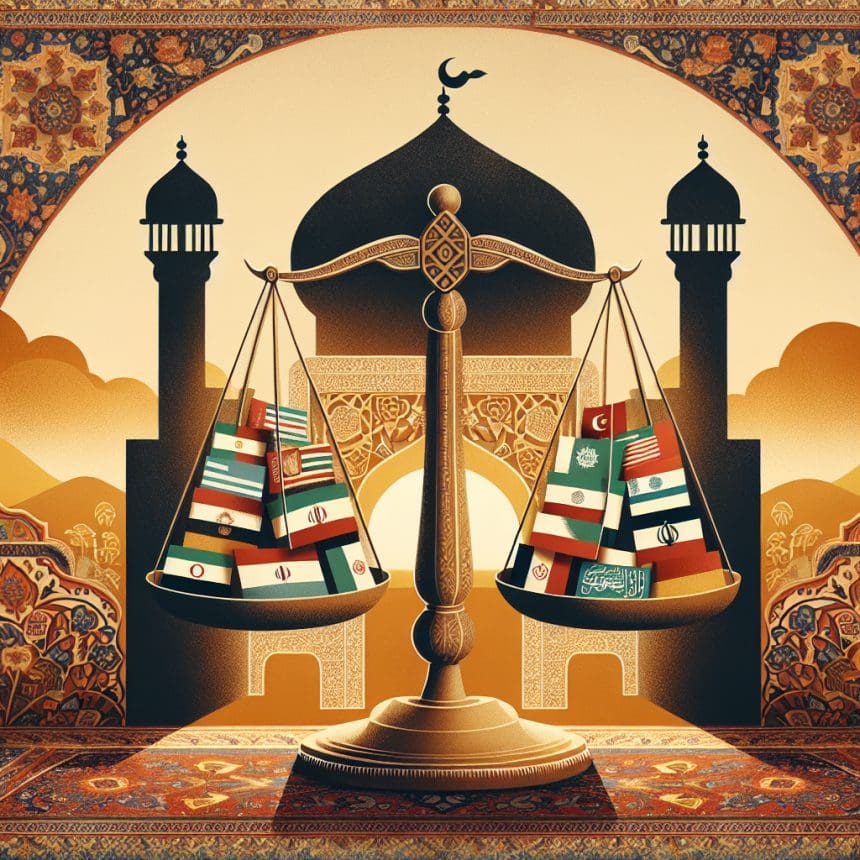
The Balancing Act
Navigating this complex web of alliances and enmities requires a keen understanding of electoral politics, religious sectarianism, and historical grievances. For Iran, maintaining its strategic alliances while contesting the influence of its adversaries constitutes a delicate balancing act. This balancing act is not merely a matter of survival; it ensures that Iran maintains its position as a crucial regional player, capable of projecting influence and power across the Middle East.
Countries within Iran’s sphere of influence must grapple with the ramifications of their ties to Tehran, weighing economic benefits against national sovereignty and regional stability. Turkey, for instance, steeped in its ambitions, seeks a balanced relationship with Iran while pursuing its interests in the Syrian conflict.
Conclusion: The Future of Iran’s International Relations
As we move into 2024, the dynamics between Iran, its allies, and foes are likely to evolve, shaped by a multitude of internal and external factors. Increased diplomatic efforts between rival states and their shifting alliances will continue to redefine the geopolitical landscape. Analyzing these relationships through the lens of mutual interests and context reveals ongoing challenges and opportunities that will influence not just Iran but also the broader region’s stability.
As the situation further develops, international observers, policymakers, and scholars must remain vigilant, adapting their strategies to the rapidly shifting alliances and antagonisms in one of the world’s most turbulent and strategically significant regions. The future of Iran’s relations, both ally-based and foe-laden, remains a pivotal concern, echoing far beyond the borders of the Middle East.