


LOS ANGELES, CA – November 8, 2026 (STL.News) A Los Angeles woman has been indicted by a federal grand jury in connection with an alleged $18 million COVID-19 relief fraud scheme involving government programs established to help struggling businesses survive the economic disruption caused by the coronavirus pandemic.
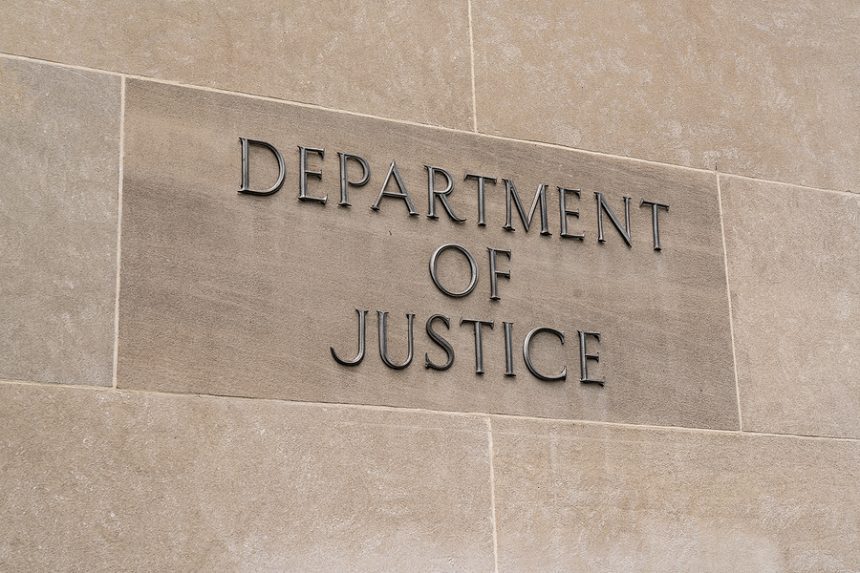
The U.S. Department of Justice announced on November 4, 2026, that Marisela Nuno, 53, of Los Angeles, faces three counts of wire fraud and one count of money laundering following an investigation into allegedly fraudulent applications submitted through two federal pandemic assistance programs.
According to federal prosecutors, Nuno allegedly submitted applications seeking more than $15.7 million through the Paycheck Protection Program (PPP) and more than $2.6 million through the Economic Injury Disaster Loan (EIDL) program.
Both programs were authorized under the Coronavirus Aid, Relief, and Economic Security (CARES) Act, which Congress enacted in March 2020 to provide emergency financial assistance during the pandemic.
A federal grand jury in the Central District of California returned the indictment on November 3, 2026.
The allegations involve false business information, questionable financial documentation, and the alleged diversion of government-backed relief funds for purposes outside the programs’ authorized uses.
The charges are allegations, not findings of guilt. Nuno is presumed innocent unless prosecutors establish her guilt beyond a reasonable doubt in federal court.
Federal Prosecutors Detail Alleged $18 Million Scheme
According to the Justice Department, the alleged fraud centered on loan applications submitted for businesses and entities Nuno purportedly owned.
Federal authorities contend that the applications contained materially false information intended to establish eligibility for financial assistance and obtain government-backed funding.
Among the information allegedly misrepresented were:
- The number of employees working for the businesses.
- Average monthly payroll expenses.
- Gross business revenues.
- Eligibility for pandemic-related financial assistance.
- Supporting tax documentation submitted with loan applications.
These categories mattered because federal relief programs relied on business financial records to determine whether applicants qualified for assistance and, in many cases, how much funding they could receive.
Prosecutors allege that Nuno knowingly submitted inaccurate information to obtain funds the businesses were not eligible for.
The Justice Department’s announcement identifies more than $18.3 million in combined PPP and EIDL funding sought through the applications.
However, the total amount requested should not be confused with the amount actually disbursed.
The Los Angeles Times, citing a criminal complaint, reported that prosecutors alleged Nuno secured approximately $4.8 million through more than two dozen applications.
That distinction matters because the amount sought through allegedly fraudulent applications can differ substantially from the amount received.
As the case proceeds, the government must establish the relevant financial transactions and alleged criminal conduct through admissible evidence.
Allegations Include False Payroll and Business Records
A central issue in the investigation involves the financial information used to support the loan requests.
The Paycheck Protection Program was designed primarily to help qualifying businesses maintain payroll and cover certain operating expenses during the pandemic.
Businesses applying for assistance generally needed to provide information about employees, payroll costs, and other eligibility requirements.
Federal prosecutors allege that Nuno submitted applications containing inflated or fabricated business information.
According to reporting by the Los Angeles Times, a criminal complaint described applications involving a business identified as The Nuño Estate.
Prosecutors alleged the business received more than $400,000 on two occasions after applications represented that it had about 20 employees and an average monthly payroll exceeding $163,000.
Investigators contended that the business did not have the represented workforce or payroll expenses and was not operational when the applications were submitted.
These allegations illustrate why payroll documentation is a major component of federal pandemic fraud investigations.
If a business exaggerates the number of employees or its payroll expenses, the information can affect both its eligibility and the amount of assistance it receives.
Federal authorities also examine whether tax returns, payroll records, and other supporting documents accurately reflect a company’s operations.
In this case, prosecutors allege that materially false tax documentation accompanied some of the applications.
The accuracy and significance of those records will be among the issues the court considers.
Government Alleges Funds Were Used for Personal Expenses
Beyond the alleged misrepresentations in loan applications, prosecutors contend that relief funds were used for purposes not authorized under the federal programs.
According to the Justice Department, the alleged expenditures included purchases of private property, business startup expenses, and payments to family members.
The PPP and EIDL programs had specific requirements governing how proceeds could be used.
PPP funding was primarily intended to help eligible businesses maintain payroll and cover certain qualifying costs, while EIDL financing was designed to address eligible business needs arising from economic injury.
The programs were not intended to provide unrestricted personal financing.
Federal investigators therefore examine how loan proceeds move through bank accounts and whether expenditures comply with applicable program rules.
Such investigations can involve reviewing banking records, property transactions, business expenses, and transfers between individuals or entities.
The money laundering charge adds another dimension to the prosecution because it concerns alleged financial transactions involving proceeds of unlawful activity.
However, a money laundering charge does not establish that money laundering occurred.
Prosecutors must prove the specific elements of that offense, including the required connection between the transaction and unlawful proceeds.
Additional Allegations Involve Cannabis Businesses
Reporting by the Los Angeles Times provides additional details from the criminal complaint concerning businesses allegedly associated with Nuno.
According to that report, prosecutors alleged that applications involving cannabis businesses concealed or misrepresented the nature of their operations.
One business identified as Hierba Buena was allegedly described in an application as a lawn-care operation.
The report also identified another business, Canna Caves, in connection with allegedly inaccurate revenue information submitted to the EIDL program.
Prosecutors reportedly alleged that more than $300,000 was obtained in connection with cannabis-related businesses that did not meet applicable program eligibility requirements.
These additional details came from the criminal complaint and are separate from the shorter summary the Justice Department released on November 4.
Whether the government can establish those allegations will depend on the evidence presented and the legal requirements applicable to the businesses and loan applications.
Understanding the Paycheck Protection Program
The Paycheck Protection Program became one of the federal government’s principal emergency business assistance initiatives during the COVID-19 pandemic.
Administered by the U.S. Small Business Administration through participating lenders, the program provided qualifying businesses with loans that could be forgiven when borrowers satisfied applicable requirements.
Its primary purpose was to preserve employment and help businesses keep operating during widespread shutdowns, reduced customer activity, and economic uncertainty.
Many small businesses experienced dramatic revenue losses during the early months of the pandemic.
Restaurants, retailers, service providers, and other employers faced difficult decisions about staffing, operating expenses, and whether they could remain open.
PPP funding was intended to reduce those pressures by helping eligible employers cover payroll and certain other expenses.
Because assistance amounts were often tied to payroll calculations, accurate financial reporting was essential.
Applicants were responsible for providing truthful information about their operations and complying with program requirements.
The program’s emergency nature also created challenges for lenders and government agencies trying to distribute assistance quickly while preventing fraud.
Federal investigators have continued examining suspicious applications years after the original loans were issued.
How the EIDL Program Differed From PPP
The Economic Injury Disaster Loan program served a different but complementary purpose.
EIDL assistance was intended to help eligible businesses experiencing substantial economic injury resulting from a disaster, including the COVID-19 pandemic.
Unlike PPP loans, which could qualify for forgiveness under applicable conditions, EIDL loans generally required repayment according to their terms.
The program was designed to provide working capital for eligible operating expenses and other permitted business needs.
Applicants were required to supply information concerning their businesses, revenues, and eligibility.
Those requirements gave investigators records they could later compare with tax filings, banking activity, and other business documentation.
When prosecutors allege that applicants fabricated revenues or concealed business information, the accuracy of those records becomes central to the investigation.
In the Nuno case, the government alleges that both PPP and EIDL applications were used as part of the broader scheme.
The involvement of two separate assistance programs also required investigators to examine different eligibility rules and funding requirements.
Multiple Federal Agencies Investigated the Case
The investigation involved several federal law enforcement and oversight agencies.
According to the Justice Department, participating agencies included the FBI’s Los Angeles Field Office, the Internal Revenue Service Criminal Investigation division, and the Office of Inspector General for the U.S. Small Business Administration.
Each agency brings specialized investigative responsibilities.
The FBI investigates a broad range of federal offenses, including complex financial fraud.
IRS Criminal Investigation specializes in financial investigations and examines records that can reveal fraudulent transactions or other alleged criminal activity.
The SBA Office of Inspector General investigates suspected fraud and misconduct affecting programs administered by the Small Business Administration.
Their combined involvement reflects the financial and administrative complexity of investigating alleged fraud involving federal loan programs.
The Justice Department identified Trial Attorney Ariel Glasner of the Fraud Division’s Public Trust and Financial Integrity Section and Trial Attorney Edward Emokpae of the Criminal Division’s White Collar and Corporate Enforcement Section as prosecutors assigned to the case.
The department also identified Assistant Attorney General Colin M. McDonald, FBI Special Agent in Charge Robert Molvar, IRS Criminal Investigation Special Agent in Charge Darren Lian, and SBA Inspector General Special Agent in Charge Timothy Larson among the officials announcing the indictment.
Federal Charges Carry Substantial Potential Penalties
Nuno faces four federal criminal counts.
Three counts involve wire fraud, while the fourth involves money laundering.
According to the Justice Department, each wire fraud count carries a maximum potential prison sentence of 20 years.
The money laundering count carries a maximum potential prison sentence of 10 years.
These are statutory maximum penalties, not a prediction of the sentence that would be imposed.
Any eventual sentence would depend on the outcome of the prosecution, applicable federal sentencing laws, the advisory sentencing guidelines, and the court’s findings.
A conviction is not automatic simply because a grand jury has returned an indictment.
If the case proceeds to trial, federal prosecutors must establish the elements of each charged offense beyond a reasonable doubt.
The defendant also has the right to challenge the government’s evidence, present a defense, and exercise the other protections available under federal criminal procedure.
The November 4 Justice Department announcement did not provide a trial date or announce a conviction.
Pandemic Relief Fraud Remains a Federal Enforcement Priority
The indictment highlights the continuing federal effort to investigate suspected misuse of pandemic-era assistance programs.
Although the public health emergency and the original emergency lending periods have ended, investigators continue reviewing transactions associated with relief programs.
The scale and urgency of pandemic assistance created unusual administrative challenges.
Government agencies and financial institutions had to distribute substantial funding to businesses facing immediate economic disruption.
The objective was to deliver assistance quickly enough to prevent additional business failures and job losses.
At the same time, the rapid distribution of funding created opportunities for applicants to submit inaccurate information or exploit weaknesses in verification procedures.
Federal authorities have since pursued criminal investigations involving fabricated businesses, inflated payroll records, identity misuse, false tax documents, and unauthorized expenditures.
Not every inaccurate application constitutes criminal fraud.
A criminal prosecution requires proof of the applicable offense, including the necessary mental state and other statutory elements.
That distinction matters especially in cases involving complicated emergency lending rules.
Nevertheless, ongoing investigations show that closing an emergency program does not necessarily end potential criminal exposure for alleged misconduct involving its funds.
Why These Investigations Matter to Legitimate Businesses
For businesses that complied with pandemic assistance requirements, alleged fraud raises broader questions about the integrity of government lending programs.
Federal relief funds were intended to provide financial support during an extraordinary economic emergency.
When money is obtained through fraudulent applications, it can undermine public confidence in how those programs are administered.
Fraud investigations also affect future emergency assistance initiatives.
Government agencies must balance the need to distribute financial assistance rapidly against the responsibility to verify eligibility and protect taxpayer resources.
More extensive verification procedures may reduce certain risks, but they can also slow assistance to businesses facing immediate financial hardship.
Conversely, accelerated distribution procedures can create opportunities for abuse if adequate safeguards are not maintained.
The lessons from pandemic-era lending programs may influence how future emergency financial assistance is structured, monitored, and audited.
For legitimate business owners, the case also reinforces the importance of accurate financial documentation.
Payroll records, tax filings, revenue statements, and business ownership information can become important evidence long after an application is submitted.
Businesses that receive government-backed financing are expected to understand and comply with the applicable conditions.
What Happens Next in the Federal Case?
The indictment moves the allegations into the federal criminal court process.
The prosecution must prove the charges, while Nuno will have the opportunity to contest the allegations and challenge the evidence.
The case could proceed through pretrial motions, evidentiary proceedings, negotiations, or trial, depending on developments in federal court.
Additional court filings may clarify the government’s allegations, the financial transactions at issue, and the defense’s position.
The Justice Department’s November 4 announcement did not establish that the defendant had been convicted or that all funds sought through the applications were disbursed.
The distinction between the alleged $18 million scheme and the approximately $4.8 million reportedly obtained matters when evaluating the case’s financial scope.
The former describes the combined value of the applications identified by prosecutors, while the latter reflects the amount reportedly secured according to the criminal complaint described by the Los Angeles Times.
Both figures remain part of the government’s allegations, not findings of criminal liability.
Federal Government Continues Reviewing COVID Relief Spending
The Nuno indictment is another example of the ongoing legal consequences tied to federal pandemic assistance programs.
More than six years after the CARES Act was enacted, the government continues investigating whether businesses and individuals obtained emergency assistance through false representations.
The case also illustrates the role of financial records in determining whether applications accurately reflected business operations.
Employee counts, payroll expenses, tax documentation, and the eventual use of loan proceeds can all become relevant in a federal investigation.
For prosecutors, the central issue is whether the evidence establishes intentional fraud and the other elements of the charged offenses.
For the defendant, the judicial process provides the opportunity to challenge those allegations and require the government to meet its burden of proof.
The case’s outcome remains undetermined.
For now, the verified development is that a federal grand jury has charged a Los Angeles woman in connection with an alleged multimillion-dollar scheme involving two major COVID-19 business relief programs.
The case will be resolved through the federal judicial process, not through the allegations contained in the indictment alone.



