


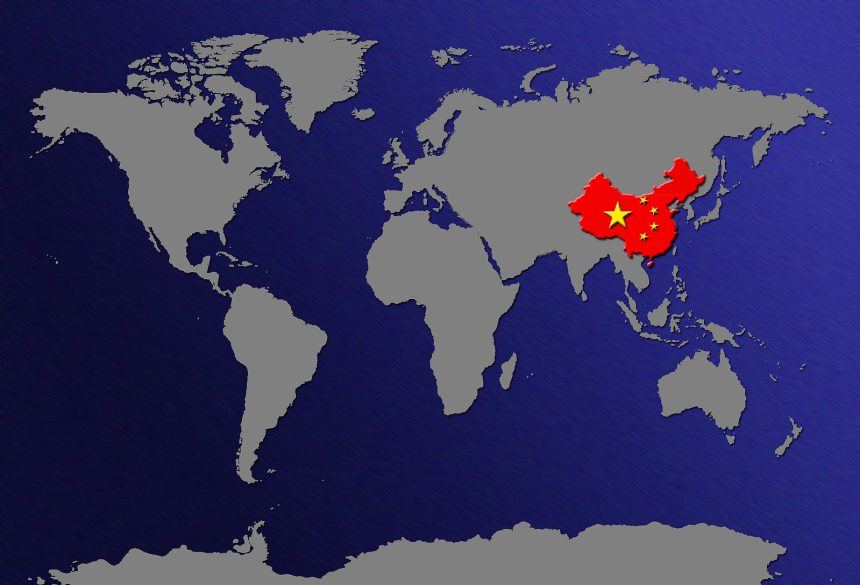

China issued a strong warning to the United States over Taiwan during President Donald Trump’s summit with Chinese President Xi Jinping in Beijing. Chinese officials reportedly called Taiwan the “most important issue” in relations between the two global superpowers. The warning comes as both nations attempt to stabilize relations amid rising geopolitical and economic tensions worldwide.
BEIJING, China (STL.News) China delivered a carefully worded but unmistakably serious warning to the United States regarding Taiwan during Thursday’s high-profile summit between President Donald Trump and Chinese President Xi Jinping in Beijing.
Chinese officials reportedly described Taiwan as the “most important issue” in U.S.-China relations during extensive discussions on trade, military stability, artificial intelligence, economic cooperation, and global security.
While the summit projected an image of diplomacy and improved communication between the world’s two largest economies, the Taiwan issue quickly emerged as one of the most sensitive and dangerous topics discussed behind closed doors.
The warning immediately captured global attention because Taiwan remains the single greatest geopolitical flashpoint between Washington and Beijing.
Taiwan Remains the Most Dangerous Issue Between China and the U.S.
China views Taiwan as part of its sovereign territory and has repeatedly declared that reunification remains a long-term national priority.
The United States officially recognizes the “One China” policy while also maintaining strategic partnerships and defense-related commitments involving Taiwan. That complicated balancing act has become increasingly difficult as military tensions and political rivalry have intensified over recent years.
Chinese officials reportedly warned that any mishandling of the Taiwan issue could seriously damage relations between the two countries and destabilize the broader Asia-Pacific region.
The language used during the summit reflected how seriously Beijing views the matter.
For years, military analysts and geopolitical experts have identified Taiwan as the most likely location for a future direct confrontation between the United States and China if diplomacy fails.
That reality gives every conversation between American and Chinese leaders enormous global significance.
Trump and Xi Focus on Stability During Historic Meeting
Despite China’s strong warning regarding Taiwan, the overall tone of the summit appeared focused on diplomacy, communication, and strategic stability.
Broadcasts worldwide showed President Trump and President Xi Jinping shaking hands at the Great Hall of the People before beginning lengthy discussions on several major global issues.
The symbolism mattered.
The relations between the United States and China influence:
- global trade,
- manufacturing,
- energy prices,
- stock markets,
- technology development,
- military stability,
- and worldwide economic confidence.
Instead of exchanging hostile rhetoric publicly, both leaders projected controlled diplomacy and cautious cooperation during the summit.
That shift alone helped calm some fears of immediate escalation between the two superpowers.
Why Taiwan Matters to the Entire World
Taiwan’s importance extends far beyond regional politics.
The island plays a critical role in global semiconductor manufacturing and advanced technology production. Many of the world’s most important computer chips are produced in Taiwan, making stability in the region essential to:
- artificial intelligence systems,
- consumer electronics,
- automotive manufacturing,
- defense technologies,
- and global supply chains.
A military conflict involving Taiwan could disrupt the global economy almost immediately.
Shipping routes throughout Asia could be impacted, financial markets could experience severe instability, and technology shortages could spread rapidly across international industries.
That is why investors, multinational corporations, and governments around the world monitor developments involving Taiwan so closely.
The economic risks are enormous.
Military Activity Has Increased in Recent Years
Military tensions involving Taiwan have intensified significantly over the last several years.
China increased military exercises near Taiwan while expanding naval and air operations throughout the region. Meanwhile, the United States strengthened strategic partnerships across the Indo-Pacific while increasing military coordination with regional allies.
Those developments created growing fears that accidental escalation or political miscalculation could eventually trigger a broader conflict.
That concern made the Beijing summit especially important.
Even when disagreements remain unresolved, direct communication between global powers can reduce the risk of dangerous misunderstandings.
Many analysts believe face-to-face diplomacy between Trump and Xi may help stabilize short-term tensions even if deeper disagreements continue.
Global Markets Closely Watching Beijing Talks
Financial markets and business leaders around the world monitored the summit closely as reports emerged regarding the discussions.
Relations between the United States and China heavily influence global economic conditions. Tariffs, supply chain disruptions, technology restrictions, and geopolitical uncertainty have already created significant pressure on international markets in recent years.
Many investors hope that improved communication between Washington and Beijing could eventually reduce economic instability.
Even limited progress involving trade or diplomatic cooperation could positively impact:
- manufacturing,
- transportation,
- agriculture,
- technology companies,
- and international investment markets.
The fact that both governments chose diplomacy instead of public confrontation helped create cautious optimism among some market analysts.
Still, Taiwan remains the largest unresolved risk.
Artificial Intelligence and Technology Also Discussed
The summit reportedly included discussions involving artificial intelligence and future technology competition.
AI has rapidly become one of the most important strategic issues facing global governments. Both China and the United States recognize that artificial intelligence will shape future economies, military systems, cybersecurity operations, healthcare industries, and global communications.
Competition involving semiconductor technology and AI development has already become a major source of tension between the two countries.
Many experts believe future technological rivalry could become as important as traditional military competition.
That reality makes communication between Washington and Beijing increasingly important.
Without diplomatic engagement, technological competition could create greater geopolitical instability.
The Summit Could Shape the Future of Global Relations
The meeting between Trump and Xi takes place amid a period of growing global uncertainty.
Conflicts in the Middle East, energy instability, inflation concerns, cybersecurity threats, and geopolitical rivalries have increased pressure on global markets and governments alike.
Against that backdrop, the summit in Beijing represented more than just another diplomatic meeting.
For many observers, it symbolized an effort by both global powers to prevent the relationship from deteriorating further.
Historic geopolitical turning points often begin with diplomatic meetings that appear symbolic at first but later become recognized as major moments in world history.
The images of Trump and Xi shaking hands in Beijing amid rising global instability may eventually become one of those defining moments.
Serious Disagreements Still Remain
Despite the positive diplomatic optics surrounding the summit, major disagreements between the United States and China remain unresolved.
Taiwan continues to represent the largest strategic divide between the two governments.
Technology restrictions, military positioning, trade disputes, cybersecurity concerns, and regional influence throughout Asia remain major sources of tension.
Neither side appears willing to compromise significantly on core national interests.
However, the summit demonstrated that both governments still recognize the importance of communication during periods of heightened global risk.
That alone may help reduce the likelihood of immediate escalation.
The World Continues Watching Closely
The outcome of future negotiations between Washington and Beijing could influence global stability for years to come.
Improved relations between the two countries could help stabilize financial markets, strengthen supply chains, reduce inflationary pressure, and lower geopolitical tensions worldwide.
At the same time, continued disputes involving Taiwan could quickly reverse diplomatic progress if tensions escalate further.
For now, the world continues watching closely as the United States and China attempt to manage one of the most important and dangerous geopolitical relationships of the modern era.
Whether the Beijing summit becomes remembered as a temporary diplomatic pause or the beginning of a broader effort toward long-term stability may depend largely on what happens next in the Taiwan Strait.
More General News articles on STL.News:
- Trump and Xi Summit in Beijing Could Reshape the Future of the World
- Trump’s China Summit Could Reshape the Future of the Iran War
- Trump Returns to Beijing During One of the Most Dangerous Global Periods in Years
- How the Strait of Hormuz Became One of the Most Important Locations in the World
- Overseas Overnight Trading for Wednesday, May 13, 2026
- Lates St. Louis Restaurant News
© 2026 St. Louis Media, LLC d.b.a. STL.News. All rights reserved. No content may be copied, republished, distributed, or used in any form without prior written permission. Unauthorized use may result in legal action. Some content may be created with AI assistance and is reviewed by our editorial team. For official updates, visit STL.News.



