


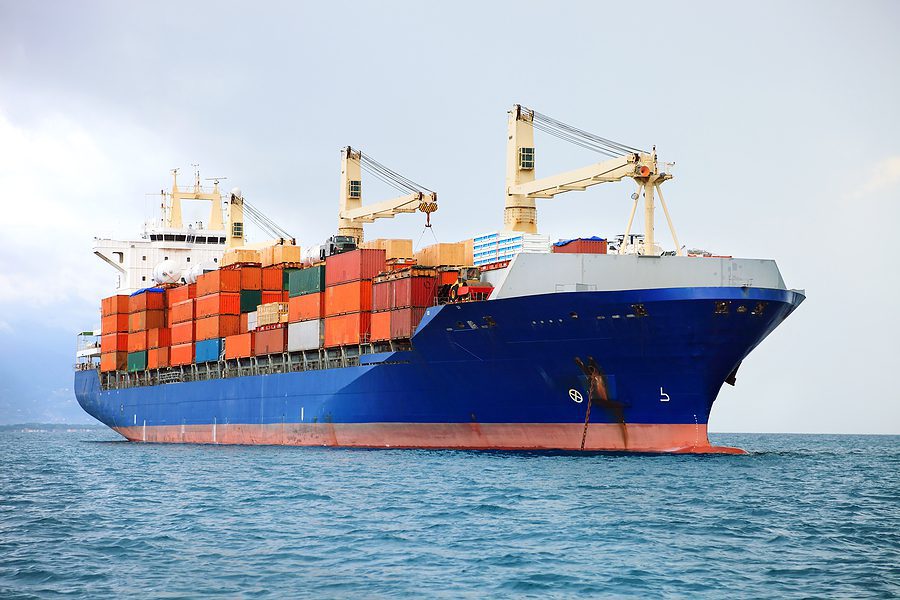
The Strait of Hormuz has become one of the most recognized and strategically important waterways in the world during the Iran conflict.
What was once an unfamiliar geographic location is now directly tied to oil prices, inflation, global trade, and economic stability.
The narrow shipping lane impacts billions of people worldwide through fuel costs, supply chains, and financial markets.
A Waterway Few People Knew Suddenly Became a Global Focus
STRAIT OF HORMUZ – May 13, 2026 (STL.News) Only a short time ago, most people outside political, military, or energy circles had never heard of the Strait of Hormuz. Today, the name is mentioned daily on television, financial news networks, political discussions, social media platforms, and economic reports worldwide. The ongoing conflict involving Iran transformed the narrow waterway from an obscure geographic location into one of the most strategically important places on Earth.
The Strait of Hormuz is no longer simply a regional shipping corridor located between Iran and the Arabian Peninsula. It has become a symbol of how interconnected the global economy truly is. Events occurring in that narrow passageway now directly affect gasoline prices in America, inflation in Europe, manufacturing costs in Asia, and food prices across much of the world.
The rise of the Strait of Hormuz into public awareness reflects a much larger reality about modern civilization. The global economy depends heavily on a handful of critical transportation routes, and when even one of them faces instability, billions of people feel the impact almost immediately.
The Strait of Hormuz Controls a Massive Portion of Global Energy
The importance of the Strait of Hormuz begins with oil.
A substantial percentage of the world’s oil exports move through the narrow waterway every single day. Tankers carrying crude oil and liquefied natural gas from countries including Saudi Arabia, Iraq, Kuwait, Qatar, the United Arab Emirates, and Iran must travel through the strait before reaching international markets.
This makes the Strait of Hormuz one of the most important energy chokepoints in the world.
Unlike many trade routes, which offer alternative shipping options, the Strait of Hormuz offers few alternatives. If the route becomes blocked, disrupted, or militarily threatened, energy markets react immediately because there are few realistic short-term replacements for the massive volume of oil transported through the region.
That reality explains why global financial markets now monitor every development tied to Iran and the strait with extreme caution.
Even rumors of shipping disruptions can trigger oil price spikes within minutes. Traders understand that any prolonged interruption could significantly reduce global oil supplies and create widespread economic instability.
The Conflict With Iran Changed Public Awareness
The current conflict involving Iran has dramatically accelerated global awareness about the Strait of Hormuz.
News organizations around the world began discussing the Strait constantly as military tensions increased. Oil prices surged, governments issued warnings about shipping risks, and military analysts openly discussed the possibility of attacks targeting commercial vessels or energy infrastructure in the region.
Suddenly, ordinary people who had never studied geography or global trade found themselves hearing about the Strait of Hormuz daily.
The reason public interest increased so quickly is that consumers immediately began feeling economic consequences tied to the conflict. Rising gasoline prices, increasing transportation costs, higher airline ticket prices, and growing inflation all connected back to fears surrounding the waterway.
People realized the Strait was not simply a distant international issue. It directly affected their personal finances, businesses, and daily expenses.
For many households, the conflict served as a wake-up call about how vulnerable modern economies remain to geopolitical instability.
A Narrow Passageway With Enormous Global Power
One of the most remarkable aspects of the Strait of Hormuz is the disparity between its physical size and its global importance.
The shipping corridor itself is relatively narrow, yet it controls an enormous portion of the world’s energy transportation network. Massive oil tankers carrying billions of dollars’ worth of energy resources pass through the waterway constantly.
This creates significant strategic vulnerability.
Because the route is so narrow, military conflict, naval blockades, attacks on shipping vessels, or even isolated incidents can quickly disrupt traffic. Financial markets understand this reality, which is why investors react aggressively to headlines about the region.
Modern economies depend heavily on uninterrupted energy supplies. Manufacturing facilities, transportation systems, food distribution networks, airlines, cargo shipping companies, and nearly every major industry rely on stable energy prices.
When instability threatens a critical route like the Strait of Hormuz, the economic consequences can spread globally within hours.
Oil Prices Influence Nearly Everything in Modern Economies
Many consumers do not initially realize how deeply oil prices affect their daily lives.
When oil prices rise sharply due to concerns surrounding the Strait of Hormuz, the impact extends far beyond gasoline stations.
Higher fuel prices increase:
- food transportation costs,
- airline operating expenses,
- manufacturing costs,
- shipping prices,
- delivery fees,
- utility expenses,
- retail product prices,
- and overall inflation.
Restaurants face higher delivery and supply costs. Airlines increase ticket prices. Trucking companies raise transportation fees. Manufacturers pay more to operate factories and distribute products.
Eventually, those higher costs are passed on to consumers throughout the economy.
This is why financial markets pay such close attention to the Strait of Hormuz. The waterway indirectly influences inflation rates, consumer spending, corporate profits, and central bank policy decisions worldwide.
The Strait of Hormuz Became a Symbol of Economic Fragility
The conflict involving Iran also exposed how fragile global supply chains remain despite decades of technological advancement.
Modern economies are built around efficiency, speed, and interconnected trade systems. Companies often depend on products, raw materials, and energy resources moving continuously across international borders.
The Strait of Hormuz highlighted how dependent the global economy remains on uninterrupted shipping.
A single military conflict or regional crisis now has the potential to affect global markets, disrupt manufacturing, increase inflation, and create uncertainty for businesses worldwide.
Investors increasingly understand that geopolitical risks are no longer isolated regional concerns. They are now major financial events capable of rapidly reshaping global economic conditions.
This realization changed how governments, corporations, and investors view the importance of strategic shipping lanes.
Military Importance Continues Growing
Beyond economics, the Strait of Hormuz also carries enormous military and strategic significance.
Major world powers monitor the region closely because protecting energy transportation routes has become a matter of national security. Naval forces from multiple countries maintain operations in or near the region to help protect shipping lanes and deter attacks.
The conflict involving Iran intensified military attention surrounding the Strait because any disruption could destabilize global energy markets and damage economies worldwide.
The region has effectively become one of the most sensitive geopolitical areas on Earth.
Military planners understand that control, security, or disruption of the Strait of Hormuz can simultaneously influence global political power, energy markets, and economic stability.
That level of importance explains why governments worldwide monitor every development involving the region so carefully.
Financial Markets React to Every Headline
The growing importance of the Strait of Hormuz can also be measured by how financial markets now respond to developments involving the region.
Oil futures often move sharply within minutes of major geopolitical headlines tied to Iran or shipping security. Stock markets frequently experience volatility as investors assess potential risks to energy supplies and inflation.
Currency markets, bond markets, airline stocks, transportation companies, and manufacturing firms all react to developments tied to the strait.
This level of market sensitivity demonstrates how deeply connected the waterway has become to global financial systems.
Institutional investors now treat developments involving the Strait of Hormuz in the same way as major economic reports or central bank announcements.
That would have seemed almost unimaginable to most ordinary consumers only a few years ago.
A Modern Lesson About Global Interdependence
The rise of the Strait of Hormuz into public awareness also teaches an important lesson about modern globalization.
Many people previously viewed international conflicts as distant events with limited domestic consequences. The Iran conflict significantly changed that perception.
Consumers worldwide now better understand that military tensions thousands of miles away can influence:
- gasoline prices,
- grocery costs,
- airline travel,
- investment portfolios,
- retirement accounts,
- inflation,
- and business conditions.
The global economy has become so interconnected that strategic shipping lanes like the Strait of Hormuz now influence everyday life across nearly every developed nation.
The conflict effectively educated millions of people about the importance of energy security, international trade routes, and geopolitical stability.
The Strait of Hormuz Will Remain Critical for Years
Even as nations invest in renewable energy, electric vehicles, and alternative fuel technologies, the Strait of Hormuz will likely remain one of the world’s most important strategic locations for many years.
Global oil demand remains enormous, and many economies continue to depend heavily on fossil fuels for transportation, manufacturing, aviation, shipping, and industrial operations.
As long as the world remains dependent on oil exports from the Middle East, the Strait of Hormuz will continue influencing global economics, politics, and security.
The current conflict involving Iran accelerated public understanding of that reality faster than perhaps any previous geopolitical event.
What was once an unfamiliar geographic name has now become recognized globally as one of the most important locations in the modern world economy.
The Strait of Hormuz is no longer simply a narrow waterway in the Middle East. It has become a symbol of global interdependence, economic vulnerability, energy security, and the fragile balance that supports the modern financial system.
More General News stories published on STL.News:
© 2026 St. Louis Media, LLC d.b.a. STL.News. All rights reserved. No content may be copied, republished, distributed, or used in any form without prior written permission. Unauthorized use may result in legal action. Some content may be created with AI assistance and is reviewed by our editorial team. For official updates, visit STL.News.



