


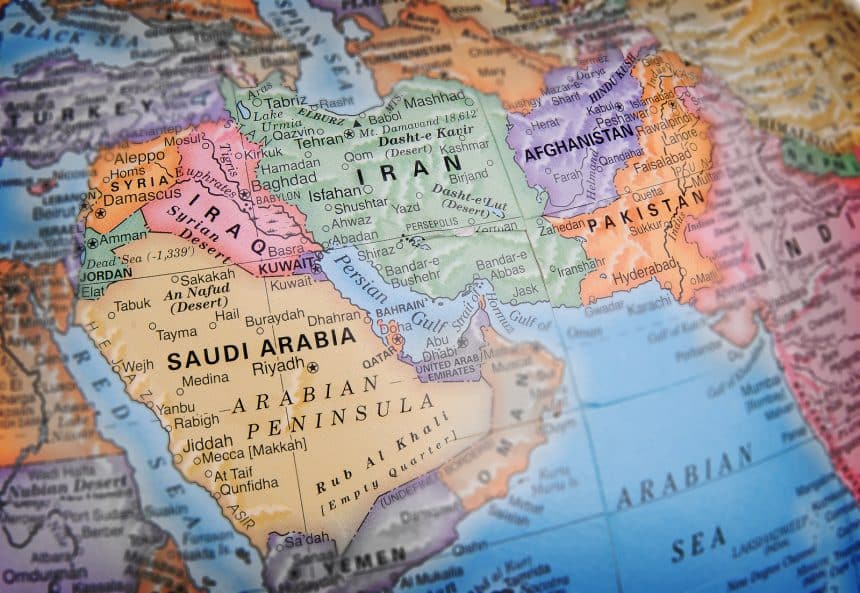

As high-stakes negotiations continue behind closed doors, global leaders face mounting pressure to secure a resolution that not only ends the current conflict but also prevents future escalation.
Markets, governments, and citizens alike are watching closely as the framework for peace takes shape.
Experts warn that a rushed agreement could lead to renewed instability, making patience a critical component of lasting success.
A Fragile Moment in Global Diplomacy
(STL.News) As negotiations intensify, the world finds itself in a familiar but uneasy position—waiting. Governments, financial markets, and everyday citizens are all watching closely, hoping that the outcome will bring not just a pause in conflict, but a meaningful and lasting resolution.
The stakes could not be higher. While there is broad agreement that the fighting must end, there is far less consensus on how that end should be structured. History has repeatedly shown that poorly constructed agreements often fail, sometimes quickly, and often with consequences more severe than the original conflict.
This moment reflects a deeper challenge within global diplomacy: ending a war is not the same as resolving it.
Beyond a Ceasefire: The Push for a Real Agreement
At the center of ongoing negotiations is a fundamental question—what does a “successful” resolution actually look like?
A simple ceasefire may stop immediate violence, but it does little to address the root causes of conflict. For a resolution to endure, it must go further, establishing clear expectations, responsibilities, and consequences for all parties involved.
Behind closed doors, negotiators are believed to be focusing on building a framework that includes enforceable terms rather than vague commitments. This includes defining what actions must stop, what changes must occur, and how compliance will be measured over time.
Without these elements, even the most well-intentioned agreement risks unraveling.
The Importance of Verification
One of the most critical components of any lasting agreement is verification. Trust alone is rarely sufficient in high-stakes geopolitical conflicts. Instead, systems must be put in place to ensure that all sides are following through on their commitments.
This typically involves monitoring mechanisms, inspections, and ongoing oversight. These safeguards are designed not only to detect violations but to deter them in the first place.
Without verification, both sides may assume the other is acting in bad faith, leading to a breakdown in the agreement before it has a chance to succeed.
Enforcement: The Backbone of Stability
Equally important is the issue of enforcement. Agreements without consequences often fail because there is little incentive to comply when violations carry no immediate cost.
Negotiators are likely working to establish clear, automatic responses to any breach of the terms. These may include economic penalties, diplomatic consequences, or other measures designed to ensure accountability.
The goal is to remove ambiguity. When consequences are predefined and consistently applied, the likelihood of sustained compliance increases significantly.
Defining the End State
Another challenge facing negotiators is defining what the end of the conflict actually looks like. Without a shared understanding of the final outcome, each side may interpret the agreement differently, leading to friction and potential collapse.
A durable resolution requires clarity. It must outline not only what will change immediately but also the long-term expectations for behavior, security, and cooperation.
This clarity helps prevent misunderstandings and reduces the risk of future escalation.
Security Concerns Remain Central
No agreement can succeed if one side feels vulnerable once the terms are in place. Security guarantees are therefore central to any negotiation.
These may include limitations on military activity, assurances against future aggression, or the involvement of third parties to help maintain stability. The objective is to create an environment where both sides feel secure enough to uphold their commitments.
Without this sense of security, even a well-structured agreement may be viewed as temporary.
Economic Incentives and Pressure
Economic considerations are also playing a significant role in shaping the outcome of negotiations. Sanctions, trade access, and financial systems are powerful tools that can be used to encourage compliance.
In many cases, agreements are structured to provide economic benefits in exchange for meeting specific benchmarks. This creates a tangible incentive to maintain peace while also offering a pathway toward stability and recovery.
At the same time, the threat of renewed economic pressure serves as a deterrent against violations.
A Phased Approach to Implementation
Rather than attempting to resolve everything at once, negotiators are likely pursuing a phased approach. This allows each side to take incremental steps while building trust over time.
Initial phases may focus on immediate de-escalation, followed by more complex actions such as dismantling capabilities, lifting restrictions, or restoring diplomatic relations.
This step-by-step process reduces risk and provides opportunities to address challenges as they arise.
The Role of Leadership and Public Perception
While much of the negotiation process takes place behind closed doors, public perception remains a powerful factor. Leaders must be able to present the outcome as a success to their citizens, even when compromises are required.
This need for “face-saving” measures can complicate negotiations, as each side seeks to maintain credibility while reaching an agreement.
Strong leadership plays a critical role in navigating this balance, ensuring that the final deal is both politically viable and strategically sound.
Patience as a Strategic Necessity
For observers, the pace of negotiations can be frustrating. In a world accustomed to rapid information and immediate results, the slow progress of diplomacy may appear ineffective.
However, patience is often essential. Rushing the process increases the likelihood of overlooking critical details, which can undermine the agreement later on.
A carefully constructed resolution takes time, but that time can make the difference between temporary relief and lasting peace.
The Risk of Getting It Wrong
If the current negotiations fail to address the core issues driving the conflict, the consequences could be significant. A weak or incomplete agreement may lead to a temporary lull in tensions, only for hostilities to resume later.
In some cases, renewed conflict can be even more intense, as both sides attempt to compensate for perceived shortcomings in the previous agreement.
This risk underscores the importance of getting it right the first time.
A World Watching and Waiting
As discussions continue, the global community remains on edge. The outcome of these negotiations will have far-reaching implications, not only for those directly involved but for the broader international landscape.
Financial markets, energy supplies, and geopolitical alliances all hang in the balance. A successful resolution could bring stability and renewed confidence, while failure could trigger uncertainty and renewed volatility.
Conclusion: More Than an Ending
Ultimately, what is being negotiated is not just the end of a conflict, but the foundation for what comes next.
A lasting resolution must go beyond stopping the immediate crisis. It must create conditions that discourage future conflict and promote long-term stability.
That is the challenge facing negotiators today—and it is why the world continues to watch, wait, and hope that this time, the outcome will be different.
More General News stories published on STL.New:
- Iran War Update 2026: Ceasefire Near Collapse as Tensions Surge Worldwide
- America Cannot Afford to Trust Iran
- Missouri Emerges as America’s Sixth Deadliest State for EV Drivers, 142% Above the U.S. Average
- Ancient Prophecies and Iran: What Do They Really Predict About the Future?
- U.S. Seizes Iranian Vessel in Strait Showdown, Escalating Tensions
© 2026 St. Louis Media, LLC d.b.a. STL.News. All rights reserved. No content may be copied, republished, distributed, or used in any form without prior written permission. Unauthorized use may result in legal action. Some content may be created with AI assistance and is reviewed by our editorial team. For official updates, visit STL.News.




