


America Cannot Afford to Trust Iran: Why Forced Compliance May Be the Only Path Forward
The United States faces a critical decision as tensions with Iran continue to escalate despite ceasefire attempts.
Repeated breakdowns in negotiations have raised serious concerns about trust and long-term stability.
Some experts now argue that only decisive action—not prolonged diplomacy—can ensure lasting peace.
A Cycle of Ceasefires and Collapse
(STL.News) For decades, tensions between the United States and Iran have followed a familiar and frustrating pattern—escalation, negotiation, temporary calm, and then renewed conflict. In 2026, that cycle appears to be repeating itself yet again. Announcements of ceasefires are quickly overshadowed by new confrontations, conflicting reports, and strategic ambiguity.
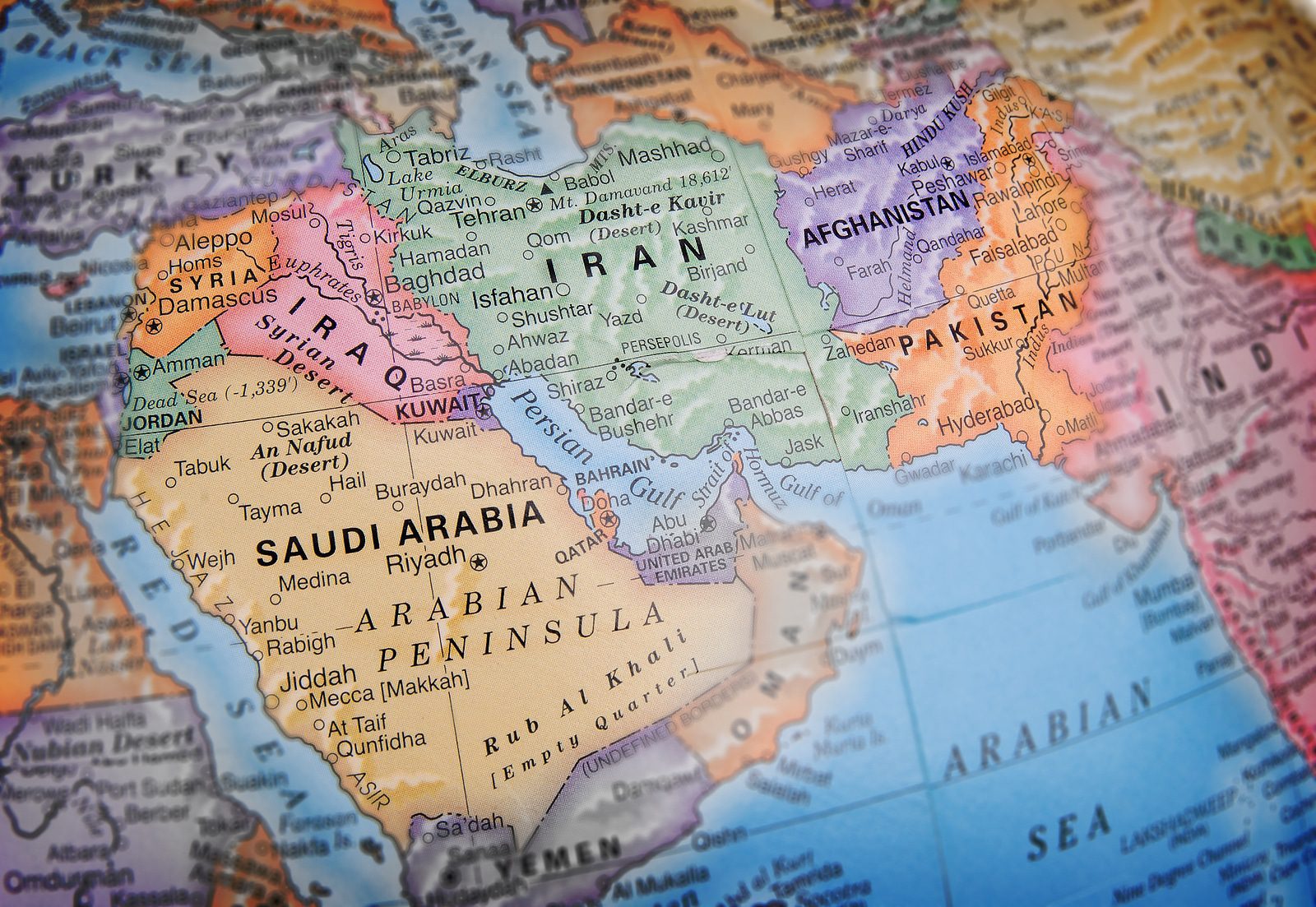
The Strait of Hormuz, one of the most critical chokepoints in global energy supply, has become a symbol of this instability. One day, it is reported as secure and open; the next, threats or actions suggest disruption. These rapid shifts create confusion in global markets and erode confidence in diplomatic agreements.
At the heart of the issue is a growing belief among many Americans: the United States cannot rely on Iran’s commitments. Agreements that lack enforcement or consequences have historically failed to produce lasting results.
The Problem With Endless Negotiations
Diplomacy has long been considered the preferred path for resolving international disputes. However, diplomacy depends on one key element—trust. Without it, negotiations risk becoming performative rather than productive.
Critics of ongoing talks with Iran argue that negotiations have often been used as a strategic tool rather than a genuine effort toward peace. Each round of talks can provide time to reposition, rearm, or recalibrate tactics. In this context, diplomacy may not be preventing conflict—it may simply be delaying it.
This raises a difficult but necessary question: At what point do negotiations stop being a solution and start becoming part of the problem?
If agreements are repeatedly violated or reinterpreted, continuing the same approach without meaningful consequences may signal weakness rather than strength.
Strategic Deception and Global Implications
The phrase “all is fair in love and war” may sound like a cliché, but in geopolitics, it reflects a harsh reality. Nations act in their own self-interest, often using deception, misdirection, and calculated risk to gain advantage.
Iran’s actions in recent years have fueled concerns that it is playing a long-term strategic game—one that involves testing limits, exploiting divisions among Western allies, and leveraging global dependence on energy routes.
The implications extend far beyond the Middle East. Disruptions in the Strait of Hormuz can impact oil prices, inflation, supply chains, and economic stability worldwide. American businesses, particularly small and mid-sized operations, feel these effects quickly through rising costs and uncertainty.
This is not just a regional conflict. It is a global economic and security issue.
The Case for Forced Compliance
For some policymakers and analysts, the conclusion is becoming increasingly clear: diplomacy without enforcement is ineffective. In their view, the United States must shift from negotiation-focused strategies to enforcement-driven outcomes.
“Forced compliance” does not necessarily mean immediate large-scale war. Instead, it can include a range of actions designed to compel adherence to agreements:
- Stronger economic sanctions with global enforcement
- Strategic military positioning to deter escalation
- Targeted actions to disrupt hostile capabilities
- Clear and immediate consequences for violations
The objective is not prolonged conflict, but rather a decisive outcome that eliminates ambiguity. When expectations are clear and consequences are certain, compliance becomes the rational choice.
The Risks of Decisive Action
While the argument for stronger action is gaining traction, it is not without serious risks. Escalation could lead to broader regional conflict, drawing in allies and adversaries alike. The human, economic, and political costs could be high.
There is also the question of long-term stability. Even if forced compliance is achieved, maintaining peace requires more than pressure—it requires a sustainable framework that prevents future conflict.
Critics warn that abandoning diplomacy entirely could close the door to peaceful solutions and reinforce hardline positions on all sides. History has shown that military victories do not always translate into lasting peace.
A Nation at a Crossroads
The United States now finds itself at a pivotal moment. Continue down the path of negotiation, hoping for a different outcome, or shift toward a more assertive strategy to end the cycle once and for all.
Public opinion appears increasingly divided. Some Americans believe diplomacy must be exhausted at all costs. Others argue that the cost of inaction—or ineffective action—is far greater.
What remains clear is that uncertainty itself carries a price. Markets react, allies hesitate, and adversaries calculate their next move based on perceived strengths and weaknesses.
A Broader Message to the World
How the United States handles Iran will send a message far beyond this single conflict. It will shape how other nations interpret American resolve, reliability, and strategic direction.
If repeated violations are met with continued negotiation and limited consequences, it may encourage similar behavior elsewhere. Conversely, a decisive and consistent approach could reinforce deterrence and stability.
This is not just about Iran. It is about setting a precedent.
Conclusion: From Words to Outcomes
The argument that “America can’t afford to trust Iran” is rooted in a long history of strained relations, broken agreements, and conflicting interests. Whether one agrees with the call for forced compliance or continued diplomacy, the underlying issue remains the same: the current approach is not delivering lasting results.
Negotiation without enforcement has led to cycles of temporary peace followed by renewed tension. The question now is whether the United States is willing to change course.
In the end, the goal is not endless discussion—it is a stable, secure outcome that protects American interests and global stability. Achieving that may require difficult decisions, stronger actions, and a willingness to move beyond the patterns of the past.
The world is watching. And the next move may define the future.
© 2026 St. Louis Media, LLC d.b.a. STL.News. All rights reserved. No content may be copied, republished, distributed, or used in any form without prior written permission. Unauthorized use may result in legal action. Some content may be created with AI assistance and is reviewed by our editorial team. For official updates, visit STL.News.



