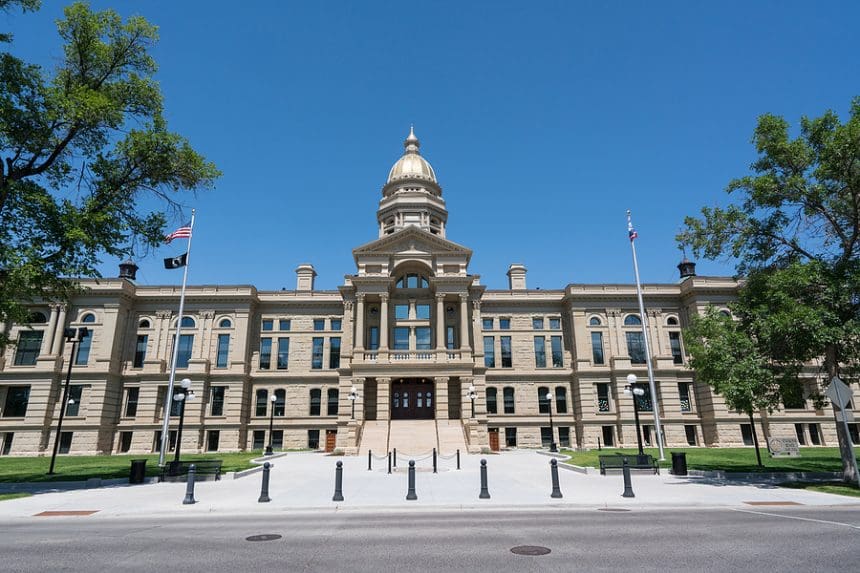
Wyoming Prepares for a New Legal Landscape as Laws Take Effect January 1, 2026
CHEYENNEE, WY (STL.News) As the calendar turns to 2026, residents, businesses, and state agencies across Wyoming will begin operating under a new set of laws approved during recent legislative sessions. While many statutes enacted by the Wyoming Legislature typically take effect on July 1, lawmakers frequently delay implementation of specific provisions until the start of a new year. January 1, 2026, marks one of those moments, bringing a series of targeted yet meaningful changes across taxation, transportation, public health, state finance, and regulatory oversight.
Taken together, these updates reflect Wyoming’s long-standing priorities: maintaining fiscal conservatism, reducing burdens on small businesses, modernizing government systems, and reinforcing public safety in a largely rural state. Although none of the new laws represent sweeping ideological shifts, they will have real-world impacts for drivers, employers, ranchers, healthcare providers, and taxpayers.
Below is a comprehensive overview of the Wyoming laws and statutory changes scheduled to take effect on January 1, 2026, and what they mean for everyday life in the state.
Transportation and Identification Laws Enter a New Phase
Updated Disabled Parking Placards
Beginning January 1, 2026, Wyoming will implement revised requirements for disabled parking placards. These changes focus on the format, the information displayed, and the administrative handling of placards issued to qualifying residents.

State officials say the updates are intended to:
- Improve visibility and legibility for law enforcement
- Reduce fraud and misuse of disabled placards
- Align Wyoming’s placard system with evolving national standards
For drivers who rely on disabled parking privileges, existing placards may eventually need replacement as new rules are fully implemented. State agencies will oversee the transition to ensure that eligible residents experience minimal disruption.
Driver License and State ID Revisions
Wyoming’s driver licenses and state-issued identification cards will also reflect statutory changes effective January 1, 2026. These updates affect how identification documents are issued and what information they contain.
The revisions are part of a broader effort to modernize state identification systems, enhance security, and maintain compliance with federal requirements while preserving Wyoming’s control over its licensing framework. For most residents, renewals and replacements will continue as usual, but new applicants may notice updated formats or procedures.
Specialty License Plates Expand State Identity
Starting in 2026, Wyoming will begin issuing new specialty license plates authorized by statute. These plates allow motorists to support specific causes or celebrate elements of Wyoming culture while contributing additional revenue to designated programs.
Among the newly authorized designs are plates recognizing:
- Search and rescue organizations
- Wyoming’s rodeo heritage and western traditions
Specialty plates are popular across the state, offering drivers a way to personalize their vehicles while supporting public safety or cultural preservation. Revenue generated from plate fees typically flows back into related programs, creating a direct connection between motorists and the causes they value.
Tax Changes Aim to Support Businesses and Predictability
Expanded Business Property Tax Exemptions
One of the most economically significant changes taking effect January 1, 2026, involves Wyoming’s business property tax structure. New provisions expand exemptions for certain types of business personal property, reducing the taxable value of equipment, machinery, and other assets.
For small and mid-sized businesses, especially those operating on thin margins, the expanded exemption could translate into:
- Lower annual property tax bills
- Reduced administrative burden
- Greater predictability in long-term planning
State lawmakers have consistently argued that keeping taxes low is essential to retaining businesses and encouraging entrepreneurship in Wyoming’s small-town and rural economies.
Updated Valuation and Depreciation Rules
In addition to exemption changes, Wyoming is modifying how specific personal property is valued and depreciated for tax purposes starting in 2026. These adjustments aim to reflect real-world asset lifespans and market conditions better.
For business owners, this may result in:
- Fairer assessments over time
- Reduced volatility in tax valuations
- Clearer guidelines for compliance
Tax professionals recommend that businesses review the new rules carefully and consult advisors to understand how the changes may affect their specific operations.
Wyoming Takes a Unique Step in State Finance
Investment in Gold and Specie
In a move that has drawn national attention, Wyoming law requires the state treasurer to allocate a portion of the Permanent Wyoming Mineral Trust Fund into gold or specie-based legal tender beginning January 1, 2026.
Supporters of the policy argue that:
- Precious metals can serve as a hedge against inflation
- Diversification strengthens long-term fund stability
- Wyoming is reinforcing its reputation as a leader in sound money policy
Critics, meanwhile, caution that commodity markets can be volatile. Regardless of perspective, the change reflects Wyoming’s willingness to explore unconventional approaches to safeguarding public funds while remaining grounded in fiscal restraint.
Public Health and Agriculture Receive New Safeguards
Standardized Anthrax Notification Protocols
Wyoming’s livestock industry plays a vital role in the state’s economy, and disease management is a constant concern. Beginning in 2026, a standardized anthrax notification protocol will go into effect, outlining clear procedures for reporting and responding to outbreaks.
The new protocol is designed to:
- Improve coordination between state agencies and producers
- Ensure rapid communication during outbreaks
- Protect both livestock and public health
For ranchers and veterinarians, the change provides clarity and consistency during emergencies, reducing uncertainty in high-stakes situations.
Insurance and Healthcare Regulatory Adjustments
Certain insurance-related statutes also take effect January 1, 2026, including provisions that expand exemptions from prior authorization requirements for healthcare providers in specific circumstances.
Healthcare advocates say the change could:
- Reduce delays in patient care
- Decrease administrative paperwork for providers
- Improve access to timely treatment, especially in rural areas
While narrow in scope, the adjustment reflects growing concern nationwide about administrative barriers in healthcare delivery.
Wildlife Management Provisions Activate
Wyoming’s approach to wildlife management remains a balance between conservation, agriculture, and federal oversight. A statute addressing the potential removal of bighorn sheep from a specific herd unit becomes operative in 2026, contingent on certain conditions.
The law also outlines reimbursement and management processes, underscoring the state’s emphasis on structured, rule-based wildlife decisions rather than ad hoc responses.
What These Changes Mean for Wyoming Residents
Although the January 1, 2026, laws do not represent a dramatic overhaul of Wyoming statutes, they collectively reinforce several long-standing themes in state governance:
- Support for small businesses through tax relief
- Emphasis on personal freedom and limited regulation
- Investment in infrastructure, public safety, and agriculture
- Fiscal conservatism paired with strategic innovation
For most residents, the changes will be incremental rather than disruptive. However, business owners, drivers, healthcare providers, and those involved in agriculture should take time to understand how the new laws may affect their responsibilities and opportunities.
Looking Ahead to 2026
As Wyoming enters 2026, lawmakers and state agencies will continue monitoring how these laws function in practice. Implementation, rulemaking, and administrative guidance will shape how smoothly the transition unfolds.
For citizens, the takeaway is clear: while Wyoming remains committed to its core values of independence and restraint, the state continues to adapt its laws to changing economic conditions, technological realities, and public needs.
The start of a new year brings more than just a date change—it brings a legal reset that quietly but steadily shapes the direction of the Cowboy State.
Other related news articles published on STL.News:
- Nevada Laws Taking Effect January 1, 2026
- California Laws Taking Effect January 1, 2026
- Florida Laws Taking Effect January 1, 2026
- Texas Laws Taking Effect January 1, 2026
- Federal Laws – Policy Changes Taking Effect January 1, 2026
© 2025 STL.News/St. Louis Media, LLC. All Rights Reserved. Content may not be republished or redistributed without express written approval. Portions or all of our content may have been created with the assistance of AI technologies, like Gemini or ChatGPT, and are reviewed by our human editorial team. For the latest news, head to STL.News.