The Disconnect: St. Louis Residents Question “Historic” Crime Drops Amid 911 Failures
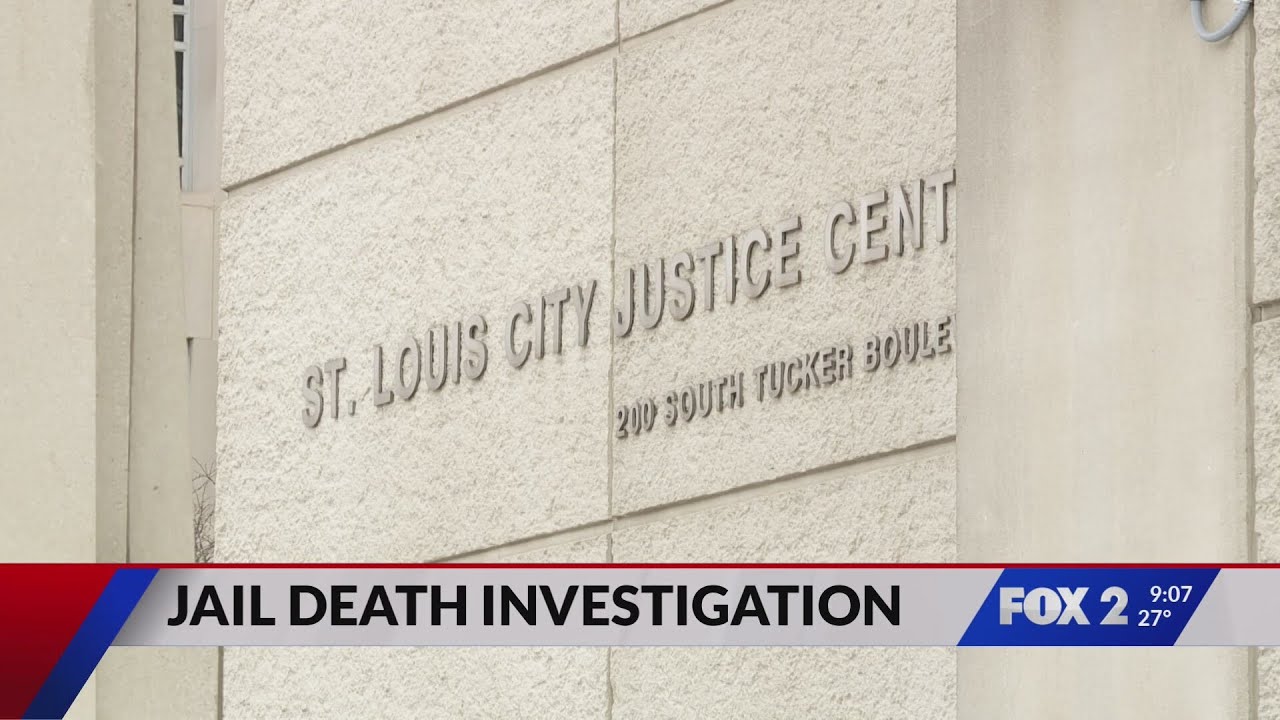
ST. LOUIS, MO (STL.News) If you read the press releases coming out of City Hall lately, you might think St. Louis has finally turned a corner. Headlines tout “historic” 16% drops in overall crime and homicide rates, hitting 12-year lows. But for the people living in the city’s neighborhoods, these numbers often feel less like a victory and more like a statistical illusion.
While the city government markets a narrative of success, a growing chorus of residents describes a different reality—one where calls for help go unanswered, dispatchers lose track of emergencies in real-time, and the gap between “reported” crime and “lived” crime continues to widen.
The Reporting Paradox
Street skepticism is grounded in a simple truth: crime statistics only reflect incidents that are successfully reported, processed, and filed by the police. For many St. Louisans, the process of reporting a crime has become so dysfunctional that they have simply given up.
Take, for instance, the recurring nightmare of the city’s 911 dispatch system. It is not uncommon for residents to report calling emergency lines multiple times during a single violent incident, only to be told by subsequent operators that there is no record of their previous calls. In some cases, citizens who attempt to assist by providing real-time location data on suspects have reported being threatened with “interfering with an investigation” by frustrated dispatchers.
When the system designed to record crime fails to answer the phone, or when the barrier to filing a report becomes too high, the “crime rate” naturally drops. This creates a “dark figure of crime“—a substantial volume of illegal activity occurring in neighborhoods that never reaches the mayor’s desk.
The State Steps In
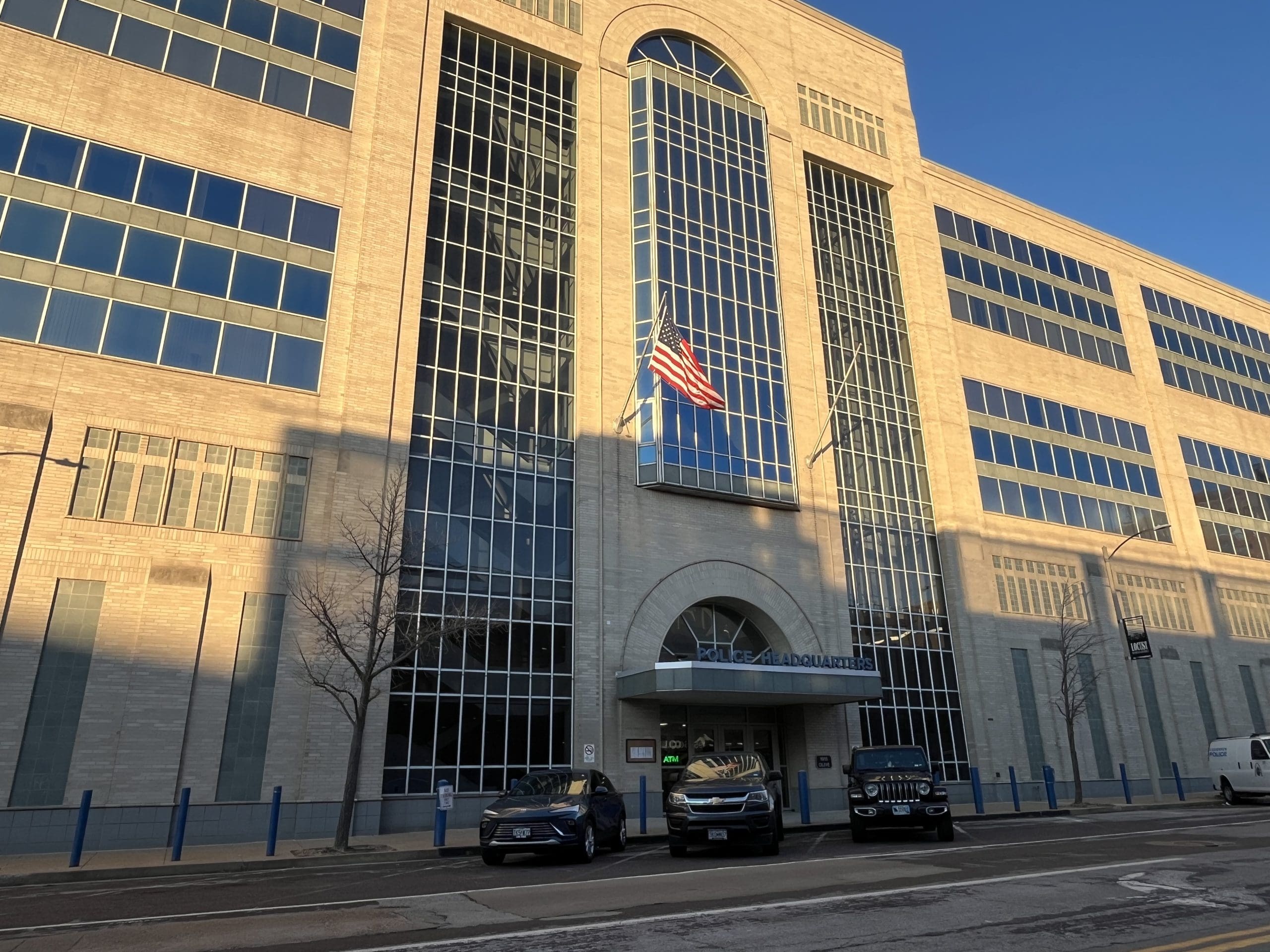
This disconnect between official data and public safety is precisely why the State of Missouri has initiated a historic takeover of the St. Louis Metropolitan Police Department (SLMPD). As of early 2026, the transition is moving into a critical phase.
Following the passage of House Bill 495, control of the department is shifting from local city leaders to a state-appointed Board of Police Commissioners. This move, led by Governor Mike Kehoe and supported by state lawmakers such as Representative Tony Luetkemeyer, was driven by the argument that the city’s current leadership is “soft on crime” and that local management has led to a collapse in officer morale and staffing.
Auditing the “Real” Numbers
Perhaps the most significant development for those who doubt the city’s data is the arrival of Missouri State Auditor Scott Fitzpatrick. In January 2026, Fitzpatrick launched a comprehensive performance audit of the SLMPD.
Unlike the city’s self-congratulatory reports, this audit is designed to be an objective “deep dive” into the department’s operations. The Auditor’s office is specifically investigating:
- Staffing vs. Statistics: Whether the reported drop in crime is a genuine reduction in criminal activity or a byproduct of a shrinking police force that can no longer document every incident.
- 911 and Dispatch Efficiency: The audit is looking into why calls are being lost and why response times remain at crisis levels despite the city’s claims of improvement.
- Financial Transparency: Investigators are scrutinizing how tax dollars are spent, particularly on overtime pay and equipment contracts, to ensure funds intended for public safety are not mismanaged.
Fitzpatrick has stated that the goal is to provide a “road map” for the new state-led board, clearing away any “massaged” data to reveal the department’s true state.
A City in Transition
The state takeover has not been without controversy. Local leaders, including Mayor Tishaura Jones, have fought the move in court, calling it a violation of local control and “politics at its worst.” Critics of the takeover argue that state control—which the city was under for 150 years prior to 2012—is not a magic wand and could lead to a lack of accountability to city residents.
However, for many who have experienced the frustration of a 911 operator hanging up on them or the sight of a suspect walking away because no officer was dispatched, the debate over “local control” feels secondary to the need for a system that actually functions.
As the July 1, 2026, deadline for the full transfer of assets approaches, St. Louis finds itself in a peculiar state of limbo. On one hand, the city continues to promote a narrative of a safer St. Louis. On the other hand, the state is treating the city like a crime scene that needs a forensic audit.
The Bottom Line for Residents
For those living through the daily reality of high taxes and persistent safety concerns, the “truth” likely won’t be found in a city press release. It will be reflected in the State Auditor’s report and in the performance of the new Board of Commissioners.
If a state takeover can solve the 911 crisis and put more officers on the street, the “real” crime numbers might increase in the short term as residents regain enough trust to start calling the police again. Only then will St. Louis have a baseline honesty enough to start building a safer future.
How to Report Your Experience (Confidential)
The Auditor’s office has a Public Corruption and Fraud Division that handles whistleblower reports. You may remain anonymous under Missouri law.
- Toll-Free Hotline: 800-347-8597
- Email: moaudit@auditor.mo.gov
- Online Reporting Form: auditor.mo.gov/hotline
© 2026 – St. Louis Media, LLC d.b.a. STL.News. All Rights Reserved. Content may not be republished or redistributed without express written approval. Portions or all of our content may have been created with the assistance of AI tools, such as Gemini or ChatGPT, and are reviewed by our human editorial team. For the latest news, head to STL.News.