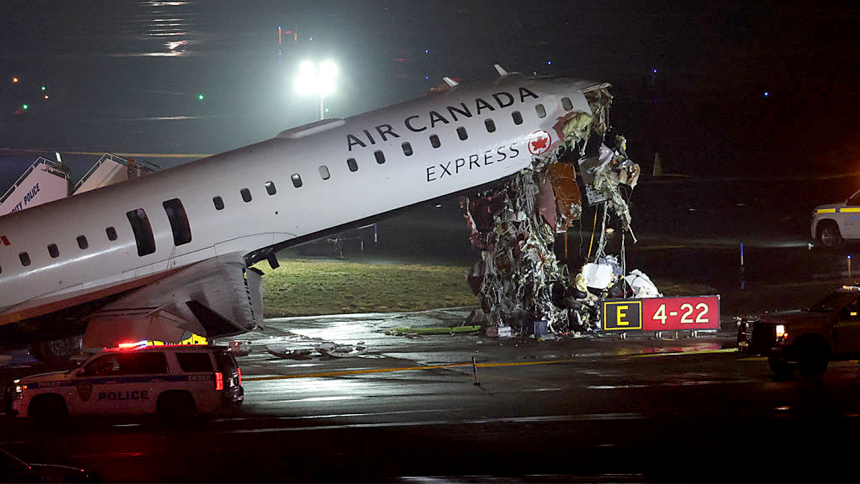
Headline: Fatal Collision at LaGuardia: Two Pilots Perish in Accident
In a tragic incident at LaGuardia Airport, two pilots lost their lives after their aircraft collided with a fire truck on the runway Tuesday morning. The accident occurred around 10:30 AM as the pilots were preparing for takeoff, leading to widespread emergency response efforts at the bustling New York airport. Preliminary investigations suggest that the fire truck was responding to an emergency alert related to a nearby aircraft when the collision took place. This devastating event has raised significant concerns about airport safety protocols and emergency response procedures.
As details continue to emerge, officials from the National Transportation Safety Board (NTSB) and the Federal Aviation Administration (FAA) have initiated a full investigation into the circumstances surrounding the crash. Eyewitness reports indicate that the fire truck, which was supposed to assist with emergency operations, was unexpectedly on the runway, creating a hazardous situation for the incoming aircraft.
Witnesses described the scene as chaotic, with emergency vehicles converging on the runway shortly after the collision. "It was terrifying," said one airport employee who was on scene. "You could hear the impact even from a distance. The fire truck was just in the wrong place at the wrong time."

Authorities have not yet released the identities of the deceased pilots, but family members are reportedly devastated by the news. The airline has expressed its condolences and confirmed that they are cooperating fully with investigators. "Our thoughts and deepest sympathies are with the families of the pilots during this incredibly difficult time," a spokesperson said.
The incident has sparked renewed discussions about safety at LaGuardia Airport, which is known for its busy air traffic and limited runway space. Airport safety has been a hot-button issue for years, particularly in light of previous incidents that raised questions about the effectiveness of current protocols. Many stakeholders are now calling for a reevaluation of emergency response training and communication practices at the airport.
In addition to the immediate tragedy of the pilots’ deaths, the incident has resulted in significant disruptions to air traffic at LaGuardia. Flights were grounded for several hours as emergency responders worked to clear the scene and conduct preliminary investigations. Passengers heading to various destinations faced delays and cancellations, creating a ripple effect throughout the Northeast air travel corridor.
Air traffic controllers at LaGuardia reported high levels of stress and chaos following the incident, as they scrambled to manage the situation effectively. "We had to reroute multiple flights and ensure that no additional aircraft were put in danger," one controller said. "It was a tense environment."
The FAA has stated that it will conduct a thorough investigation into the incident, which will include examining the fire truck’s operations and whether proper protocols were followed. The agency has previously faced scrutiny regarding the enforcement of safety measures at busy airports, and this accident will likely intensify calls for reform.
As emergency response teams worked diligently at the scene, the impact of the collision extended far beyond just the immediate tragedy. Multiple airlines issued statements, emphasizing safety as their top priority and pledging to cooperate with the ongoing investigation. Stress and anxiety among airline crew members and passengers have also been reported, prompting some airlines to provide counseling services to those affected.
As LaGuardia Airport continues to handle the aftermath of this tragic event, conversations about the broader implications for aviation safety are beginning to take shape. Some aviation experts are pointing to the need for more stringent regulations governing emergency vehicle operations on runways, arguing that clearer guidelines and better communication systems could help prevent similar incidents in the future.
The NTSB’s investigation is expected to involve a painstaking review of air traffic control communications, as well as the fire truck’s operational protocols at the time of the accident. Surveillance footage and data from the aircraft’s cockpit voice recorder may provide crucial insights into the circumstances leading up to the crash.
In the wake of this incident, airport officials are already looking at ways to improve procedures to ensure the safety of all personnel operating within and around the airport. Some have proposed the implementation of advanced communication technologies that would allow real-time updates on emergency vehicle positions and better coordination during critical situations.
Meanwhile, support from the aviation community has flooded in as colleagues and friends of the deceased pilots come to terms with their loss. Memorials and tributes are being planned at various aviation organizations to honor their contributions and sacrifices in the line of duty.
As LaGuardia Airport continues to recover from this tragedy, the need for a thorough review of airport safety measures appears more pressing than ever. With ongoing discussions about how to prevent such heartbreaking incidents, industry leaders are hoping to foster a culture of safety that prioritizes the well-being of both crew members and passengers.
As investigations proceed, the focus now turns to the crucial task of understanding the exact dynamics that led to the collision. Ensuring the safety of air travel needs to be at the forefront, not only at LaGuardia but across airports nationwide.
The story is still developing, and updates will be provided as more information becomes available.