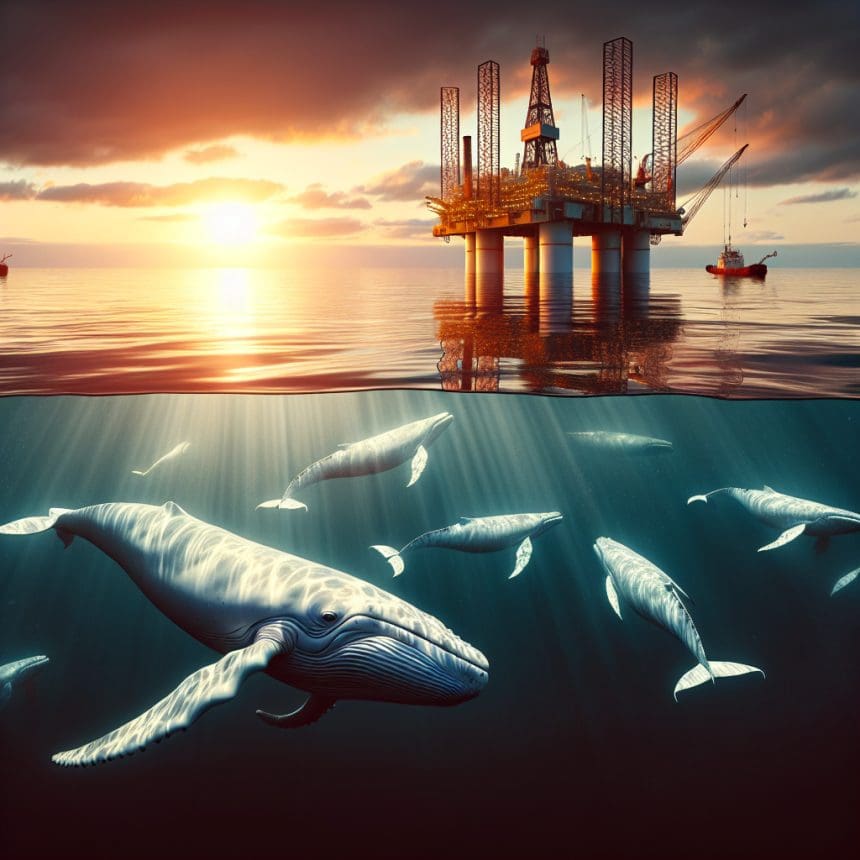
Trump Administration Eases Drilling Rules, Threatens Endangered Whale
In a controversial move, officials from the Trump administration have exempted offshore drilling activities in the Gulf of Mexico from key protections under the Endangered Species Act, a decision that many conservationists say jeopardizes the survival of the critically endangered North Atlantic right whale. This policy shift, announced earlier this week, is part of a broader effort to expand energy exploration in the region, despite mounting environmental concerns and legal challenges from wildlife advocates.
The North Atlantic right whale, with fewer than 340 individuals remaining, has been classified as one of the world’s most endangered marine mammals. With such a small population, any disruptions to their habitat and migration paths could have devastating consequences for their recovery. This recent regulatory change permits oil and gas exploration companies to bypass stringent environmental assessments that typically safeguard endangered species and their habitats.
The decision has sparked a backlash among environmentalists, who argue that it prioritizes economic interests over ecological preservation. Advocacy groups such as the Ocean Conservancy and the Center for Biological Diversity have voiced their outrage, stating that the administration’s actions undermine decades of work to protect vulnerable marine species and their ecosystems. They have pledged to challenge this exemption in court, asserting that the administration has failed to adequately consider the potential impacts on the right whale population.

The status of the North Atlantic right whale remains precarious. Their population has been declining due to various factors, including ship strikes, entanglements in fishing gear, and changes in food availability linked to climate change. In recent years, efforts have been made to increase awareness of the species’ plight and implement protective measures, such as speed restrictions for vessels in critical habitats. However, the new drilling policy raises serious questions about the effectiveness of these measures and the future of the species.
Concerns about the impact of drilling on marine life are not unfounded. The Gulf of Mexico is known for its rich biodiversity, and the introduction of seismic surveys and drilling operations can create substantial disturbances in the marine environment. Noise pollution from drilling operations can interfere with the communication and navigation of marine mammal species, including the right whale, which relies on sound for mating and feeding.
Additionally, the potential for oil spills poses a significant risk. Historical data indicates that spills can have long-lasting effects on marine ecosystems, affecting species health and reproductive success. The North Atlantic right whale, which calves primarily off the coast of Georgia and Florida, could be particularly vulnerable if a spill were to occur in its critical habitats during the breeding season.
Legal experts argue that the administration’s exemption of drilling from the Endangered Species Act is likely to face significant challenges in the courts. The act requires federal agencies to ensure their actions do not jeopardize the continued existence of protected species or destroy the habitats upon which they depend. By sidestepping this regulatory responsibility, the Trump administration may have opened itself up to litigation from various environmental organizations.
As political opposition mounts, some lawmakers have raised alarms over the implications of this ruling. They argue that the decision undermines the bipartisan commitment to wildlife conservation, putting both marine species and the coastal economies that rely on them at risk. The Gulf’s fishing and tourism industries are anchored in a healthy marine ecosystem, and stakeholders fear that allowing drilling without stringent protections could lead to irreparable harm.
In the wake of this decision, conservationists are urging the public to take action. Many organizations are calling on supporters to contact their local representatives, demanding that they advocate for stronger protections for endangered species like the North Atlantic right whale. Several petitions have already gained traction online, mobilizing thousands of individuals concerned about the impact of drilling on marine life.
While the administration promotes its drilling policy as a means to boost energy independence and economic growth, critics contend that these goals should not come at the expense of vulnerable species and their habitats. The North Atlantic right whale serves as a stark symbol of the balance that must be struck between economic development and environmental stewardship.
As this issue continues to unfold, the fate of the North Atlantic right whale hangs in the balance. With legislative, legal, and public pressures all mounting against the drilling exemptions, it remains to be seen whether the administration will reconsider its stance. The ongoing struggle between federal policies and environmental protection efforts underscores the complexities of managing natural resources in a way that benefits both people and wildlife.
As stakeholders on all sides continue to debate the implications of this decision, the future of the North Atlantic right whale will depend on collective action, advocacy, and a renewed commitment to preserving our planet’s delicate ecosystems. The outcome of this policy shift will serve as a crucial test of the United States’ dedication to protecting its endangered species amid growing demand for energy resources. The eyes of the world are on the Gulf of Mexico, and the stakes have never been higher for both marine life and human interests in this vital region.
In conclusion, the recent exemption of Gulf of Mexico drilling from the Endangered Species Act by Trump officials raises significant environmental concerns, particularly for the North Atlantic right whale. With activism and legal action on the rise, the future of both the species and the region’s ecosystem hangs in the balance.