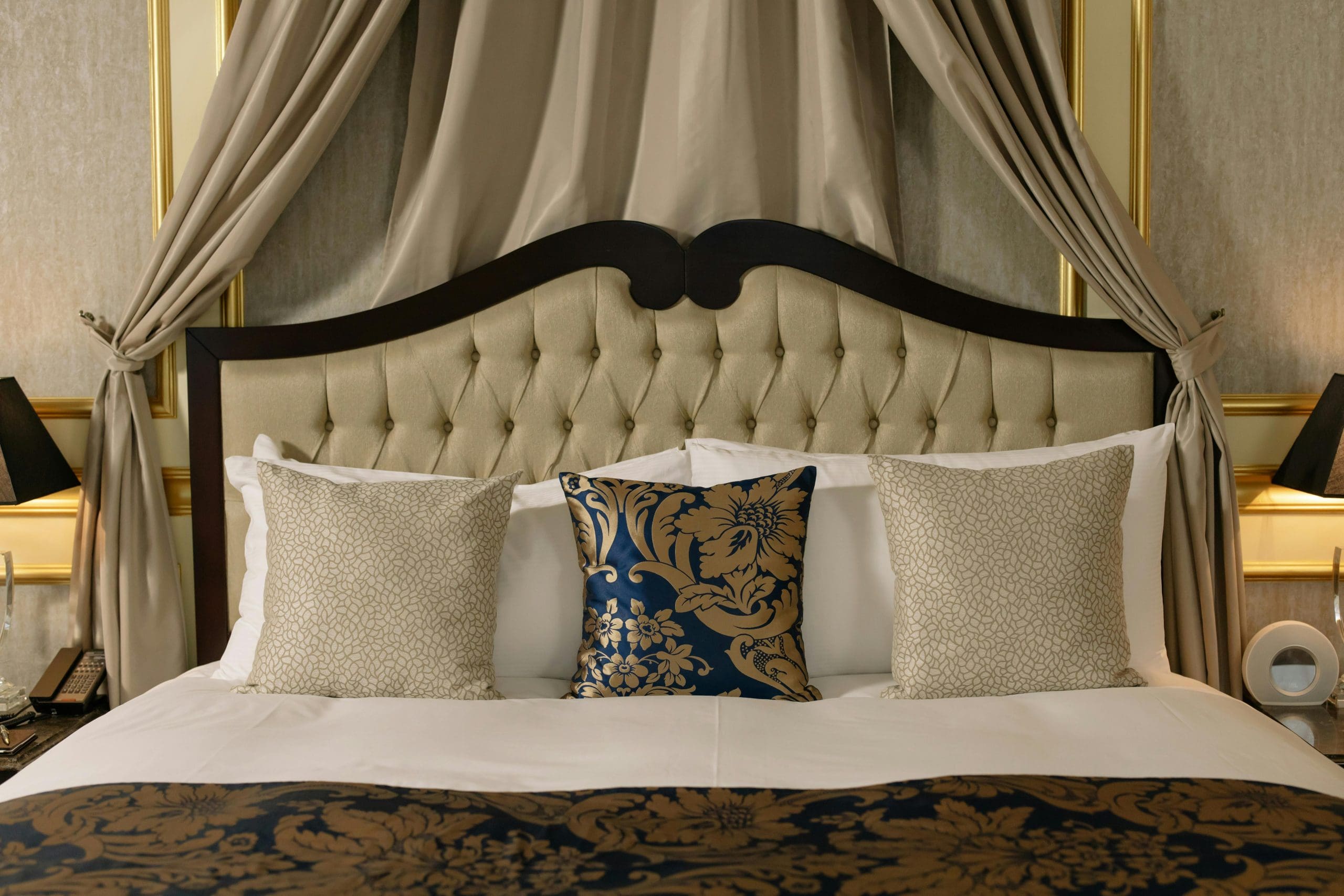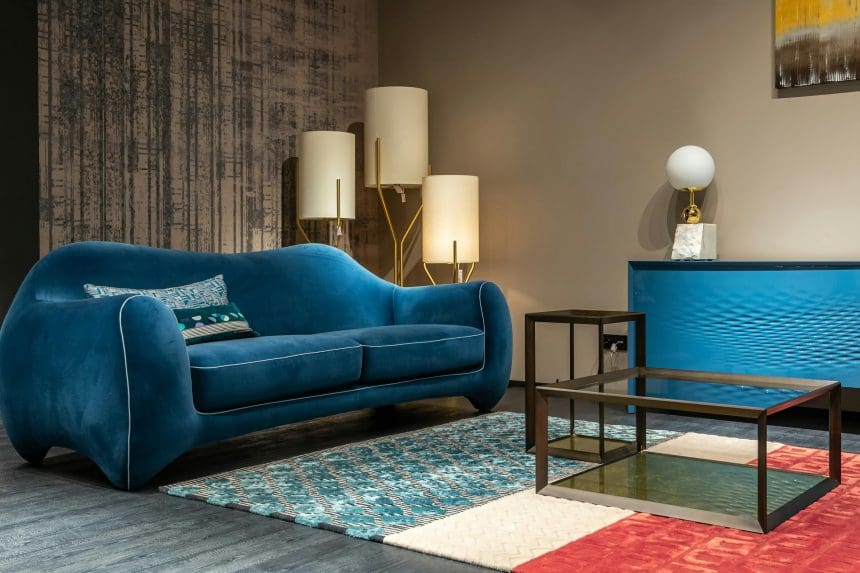
(STL.News) Interior property styling is more than just arranging furniture or adding decorative pieces. It is the thoughtful art of enhancing a home’s appeal by showcasing its best features, improving its functionality, and creating emotional connection through design.
Whether preparing a home for sale, refreshing a living space, or simply elevating everyday living, interior styling plays a powerful role in transforming how a space looks and feels. In this guide, we explore why Interior Property Styling matters, essential principles you can apply, and smart tips to achieve cohesive, beautiful interiors.
What Is Interior Property Styling?
Interior property styling refers to the process of curating furnishings, décor, colours, textures, and spatial arrangement to create visually appealing and purposeful living spaces. While styling is often associated with real estate and preparing homes for market, the principles are equally valuable for anyone looking to enhance their environment. Good styling highlights architectural features, maximises space, and helps occupants imagine how they could live comfortably in a space.
Why Interior Styling Matters
First Impressions Influence Perception
People form impressions of spaces within seconds. A well-styled interior can create a sense of warmth, calm, and desirability the moment someone steps inside. For properties on the market, this emotional connection often translates into stronger interest or higher offers.

Enhances Functionality
Styling is not purely aesthetic. It involves understanding how spaces are used and enhancing their function. A living room might be styled to feel open and inviting, while a bedroom might be arranged to maximise restfulness and comfort.
Reflects Lifestyle Aspirations
Great styling tells a story. It suggests a lifestyle and invites occupants to imagine living a certain way—whether that’s a relaxed weekend at home, hosting friends in the dining room, or working productively in a styled study nook.
Core Principles of Effective Interior Styling
Balance and Proportion
Balance refers to visual weight in a room. Too many large objects on one side of a space can feel heavy, while tiny items scattered throughout can feel cluttered. Balance is achieved by distributing furniture and décor so that no area feels overly dominant or sparse. Proportion relates to size relationships. A large sofa might overwhelm a small room, while a tiny coffee table might feel lost in a large living space.
Colour Harmony
Colour influences mood and unity. A cohesive palette creates harmony, while unexpected pops of colour can add excitement and personality. A good starting point is to choose a primary neutral base and layer in accent colours through accessories like cushions, art, and décor items.
Texture and Layering
Texture adds depth and sensory interest to interiors. Mix materials like wood, metal, fabrics, and natural fibres to create layered richness. For instance, a knitted throw over a sleek leather sofa creates contrast and invites touch.
Focal Points and Flow
Every space benefits from a focal point—a feature that draws the eye and anchors the room. This could be a piece of art, a fireplace, or a statement furniture piece. Once identified, other elements in the room should support and enhance this focal point. Flow is about how people move through a space. Ensure pathways are clear and intuitive, and that furniture arrangement supports comfort and usability.
Practical Styling Tips You Can Apply Today
Start with Decluttering
Before adding decorative elements, remove items that no longer serve a purpose. Clutter distracts and makes spaces feel smaller. Aim for clean surfaces and deliberate placement of essentials.
Edit Your Pieces
Too many accessories can overwhelm a room. Choose meaningful items that complement the style and colour palette. Group objects in odd numbers for visual interest (three vases, five candles) rather than evenly spaced pairs.
Use Mirrors to Expand Space
Mirrors reflect light and visually expand rooms. Place a large mirror opposite a window to maximise natural light and create a sense of openness.
Anchor Spaces with Rugs
Area rugs define different zones in open-plan living areas. Choose a size that extends under key furniture pieces to create cohesion and warmth.
Bring in Greenery
Plants breathe life into interiors. Even low-maintenance options like snake plants or succulents add colour, texture, and a connection to nature.
Scale Furniture Appropriately
Ensure furniture fits the room’s scale. Oversized pieces can make a space feel cramped, while too-small items can make it feel unfinished. Measure and plan before buying.
Styling on a Budget
You don’t need a large budget to style a home effectively. Simple strategies like rearranging existing furniture, adding fresh textiles, and choosing a consistent colour theme can transform spaces. Consider DIY art, repurposing older items, and swapping décor between rooms for fresh looks.
Styling for Different Purposes
Everyday Living
For daily life, focus on comfort and practicality. Choose durable fabrics, functional layouts, and storage solutions that keep spaces organised.
Preparing to Sell
When styling for sale, aim for neutral appeal. Reduce personal items, declutter rooms, and highlight the home’s best features to attract the widest range of buyers.
Seasonal Refresh
Styling changes with seasons. Light linen fabrics and cool tones can refresh a home for summer, while warm textures and layered lighting create cosy winter interiors.
Conclusion
Interior property styling is both an art and a thoughtful process that elevates spaces to reflect beauty, function, and personality. By understanding core design principles and applying practical tips—whether for selling a property or simply improving your daily environment—you can create interiors that feel intentional, welcoming, and inspiring. Take the time to curate your space with intention, balance aesthetics with usability, and let your home tell a story you love.