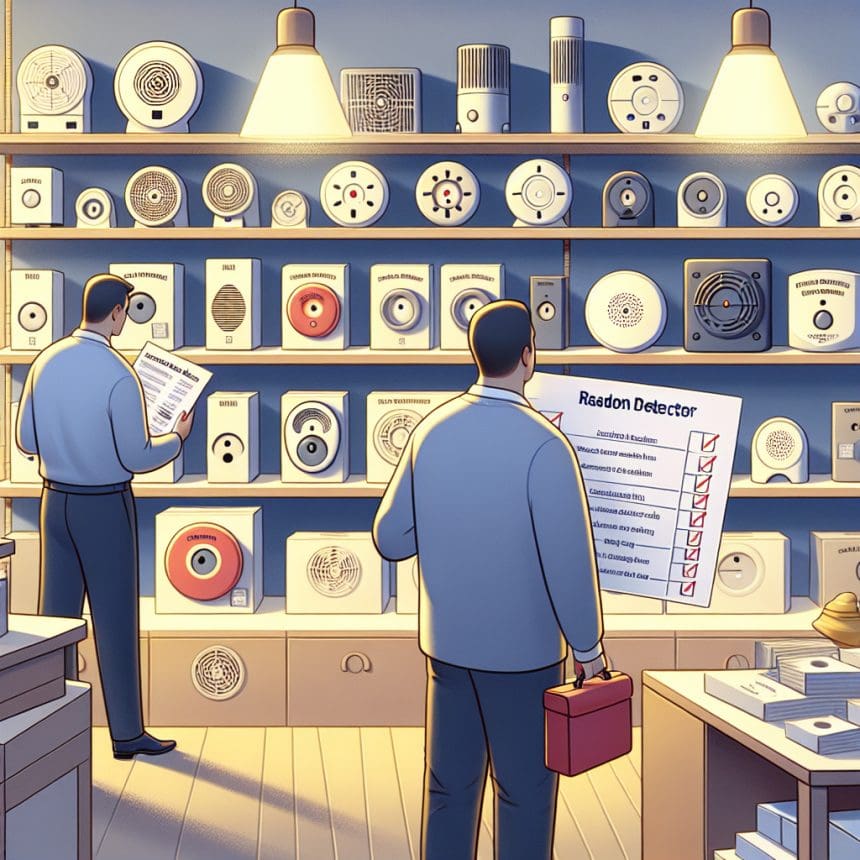
Ensure Your Radon Monitor Works: Essential Buying Tips
As concerns about indoor air quality rise, the demand for effective radon monitors is increasing. Homeowners and renters alike are seeking reliable tools to assess radon levels, a colorless, odorless gas linked to lung cancer. With various products flooding the market, it’s crucial to know what to look for when choosing a radon monitor to ensure it provides accurate readings and reliable performance.
Understanding Radon and Its Risks
Radon is a naturally occurring radioactive gas that emanates from the decay of uranium in soil, rock, and water. It can accumulate in homes, especially in lower levels like basements or crawl spaces. According to the U.S. Environmental Protection Agency (EPA), radon is the second leading cause of lung cancer in the United States, responsible for approximately 21,000 deaths annually. Given these statistics, having a reliable radon monitor is vital for any property owner.
Key Features to Look for in a Radon Monitor
-
Certification and Accuracy: Before making any purchase, ensure that the radon monitor has been certified by a reputable organization. Look for certifications from the EPA or the National Radon Safety Board (NRSB). Taking the time to read user reviews can also provide insights into the accuracy of the device. High-accuracy monitors often utilize sophisticated technology to measure radon levels, giving you peace of mind.
-
Type of Monitor: There are two main types of radon monitors: short-term and long-term. Short-term monitors usually test for 2 to 90 days, while long-term monitors measure levels over 90 days or longer. Decide which type of monitor suits your needs. If you’re looking for quick results, a short-term monitor might be best. However, long-term monitors provide a more comprehensive view of radon levels over time.
-
Digital Display and User-Friendliness: Opt for models with a clear digital display for easy reading of radon levels. Many modern monitors come with features like real-time tracking, alerts for high levels, and user-friendly interfaces. Some even have smartphone compatibility for monitoring radon levels remotely, which can be especially useful for property managers or anyone with multi-home concerns.
-
Calibration and Maintenance: Check whether the monitor requires periodic calibration or maintenance. Some devices need to be sent back to the manufacturer for recalibration, while others allow you to reset them easily. Ensure that the device you choose can be maintained with minimal hassle to guarantee ongoing accuracy.
- Battery Life and Power Source: Consider whether the radon monitor operates on batteries or requires an electrical outlet. A battery-operated device allows for flexibility in placement, as it is not tethered to an outlet. Always choose a monitor with a long battery life to minimize the need for replacements.
Understanding Limitations and Local Radon Levels
While a radon monitor is an essential tool, understanding its limitations is equally important. No device is infallible, and radon levels can fluctuate due to various factors, including weather, ventilation, and building materials.

Research the radon levels in your area by consulting local health departments or the EPA’s radon zone maps, which help identify regions at higher risk. Knowledge of your local environment can provide context for your monitor’s readings and help you make informed decisions regarding mitigation if elevated levels are detected.
Pairing with Professional Testing
While personal monitors are beneficial, they should not replace professional testing, especially in cases where high radon levels are indicated. Consider hiring a certified radon professional for comprehensive testing, especially before buying or selling property. This step ensures that any radon mitigation systems are effective and up to code.
The Importance of Homeowner Education
Beyond merely purchasing a radon monitor, homeowners should educate themselves about proper placement and testing protocols. The EPA recommends placing monitors in the lowest lived-in level of a home for the most accurate results. Avoid areas close to windows or doors, as these can affect readings.
Conclusion: Making an Informed Choice
When investing in a radon monitor, prioritize features that ensure effectiveness and reliability. By understanding key factors such as certification, accuracy, and usability, you can choose a monitor that meets your specific needs. In doing so, you not only protect your health but also contribute to a safer living environment. With radon being a significant health risk in many areas, making an informed choice today can lead to lasting benefits for you and your loved ones.
As awareness grows surrounding indoor air quality and radon risks, the market for effective radon monitors continues to expand. With thoughtful research and basic knowledge about what to look for, purchasing a radon monitor that works will allow you to keep your space safe and healthy. Don’t overlook this small investment in your home’s safety—your long-term health may depend on it.
By staying informed and aware of radon levels, you can take proactive steps towards ensuring a safe living environment, making the choice to implement a radon monitor a vital part of home safety.