Poilievre Urges Federal Fuel Tax Holiday Amid Rising Gas Prices
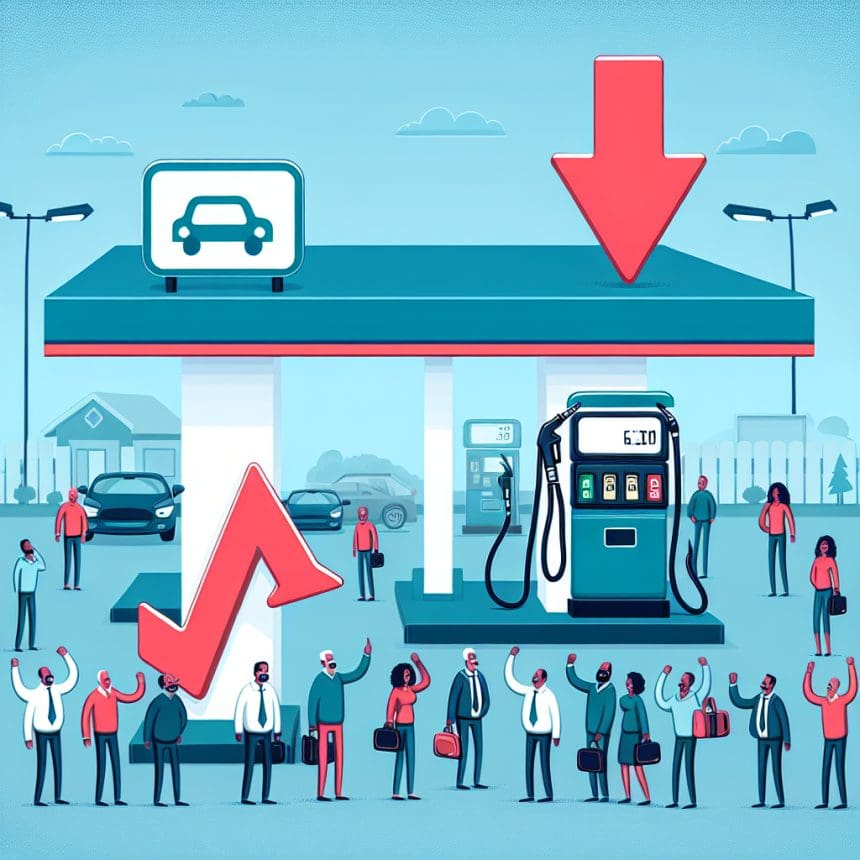
In response to soaring gas prices across Canada, Conservative Party leader Pierre Poilievre has proposed a federal tax holiday on fuel during a press conference held in Ottawa on Tuesday. With the nation facing significant economic strain, Poilievre argues that immediate government action is necessary to alleviate pain at the pump for Canadian families and businesses. The proposed tax relief aims to address growing concerns over affordability as fuel costs continue to escalate.
Amid global supply chain disruptions and escalating geopolitical tensions, Canadian gas prices have surged to record highs in recent weeks. The upward trend has elicited mounting anxiety among consumers and economists alike, prompting calls for immediate measures to ease financial burdens. Poilievre’s tax holiday proposal aims to suspend the federal excise tax on fuel, which he believes could provide substantial relief to Canadians.
“Every time Canadians fill up their tanks, they feel the weight of rising costs,” Poilievre stated in his speech. He emphasized the urgent need for relief, as many families are struggling to make ends meet amidst increasing expenses in other areas, such as groceries and housing. The Conservative leader contends that the government has the power to make a difference through decisive action.

The call for a federal tax holiday comes on the heels of reports indicating that the average price of gasoline in Canada has exceeded $2.00 per liter in several provinces, marking a sharp increase over the past year. In some regions, prices hare hovering around $2.50 per liter. This situation severely impacts not only individual consumers but also businesses that rely heavily on transportation.
Experts suggest that high fuel costs can lead to elevated prices for various goods and services, creating a ripple effect throughout the economy. Logistical costs can compound for industries ranging from retail to agriculture, ultimately leading to higher prices for consumers. By removing the federal excise tax, Poilievre argues that the government can help counterbalance these inflationary effects.
In his proposal, Poilievre is not only advocating for an immediate suspension of the excise tax but is also calling for a comprehensive review of Canada’s taxation policies relating to fuel. The Conservative leader suggests that a longer-term strategy is necessary to ensure that Canadians are not constantly burdened by fluctuating fuel prices.
The prospect of a fuel tax holiday has received a mixed response from various stakeholders. Supporters argue that the initiative could provide much-needed relief, particularly for low-income families and small businesses. Conversely, critics warn that the tax holiday could result in a significant decrease in government revenue, potentially impacting public services and infrastructure development.
Finance Minister Chrystia Freeland has yet to respond formally to Poilievre’s proposal, but she has previously acknowledged the challenges posed by rising gas prices. Freeland has emphasized the need for responsible fiscal policy balanced against economic growth. The government is also monitoring the ongoing situation with global oil prices, which remain volatile in the wake of international conflict and supply chain disruptions.
Environmental advocates have raised concerns about the long-term implications of reducing fuel taxes, warning that it may discourage efforts to transition toward more sustainable energy sources. They argue that immediate relief at the pumps could undermine the momentum built around green initiatives and the importance of tackling climate change.
As the political landscape continues to evolve, the discussion surrounding fuel taxes is likely to remain a pivotal issue in upcoming federal elections. With affordability becoming a central theme for many Canadians, Poilievre’s tax holiday call may resonate strongly with voters who are increasingly concerned about their day-to-day living expenses.
Public opinion on fuel tax relief is diverse, with many Canadians expressing a desire for effective solutions to manage fluctuating prices. In a recent survey, over 70% of respondents reported feeling stressed about rising fuel costs, and many expressed a desire for government intervention.
Some economists argue that while Poilievre’s proposal could provide short-term relief, it is essential for policymakers to consider sustainable long-term solutions. Addressing issues such as public transportation infrastructure, alternative energy sources, and more efficient fuel consumption methods may yield more lasting benefits for Canadians.
As gas prices remain a point of contention, political leaders will continue to scrutinize the effects of taxation on fuel affordability. Poilievre’s call for a tax holiday may serve as a catalyst for further debate and discussion around how best to support Canadians navigating the financial challenges that come with rising fuel costs.
The Conservative Party plans to mobilize public support for Poilievre’s initiative, emphasizing the need for tangible solutions that reflect the concerns of everyday Canadians. As pressure mounts for government action amidst rising prices, the focus on fuel taxes could play a crucial role in shaping the political discourse leading up to the next federal election.
In conclusion, the proposal for a federal fuel tax holiday represents a significant development in the ongoing conversation about economic affordability in Canada. With gas prices threatening the livelihoods of countless families and businesses, the government’s response could ultimately shape public sentiment and influence the political landscape for years to come. Stakeholders across the board will be keenly observing how the issue unfolds in the coming weeks and months as they navigate these turbulent economic waters together.