Chicago Mayor Faces Tough Questions on Immigration Policy After Tragic Incident
In the wake of a tragic incident in Chicago, where an illegal immigrant allegedly killed a local student, Mayor Brandon Johnson is under intense scrutiny regarding the city’s immigration policies. The incident, which occurred late Saturday night in the Pilsen neighborhood, has reignited a heated debate about how the city manages undocumented immigrants and the resources it allocates to public safety.
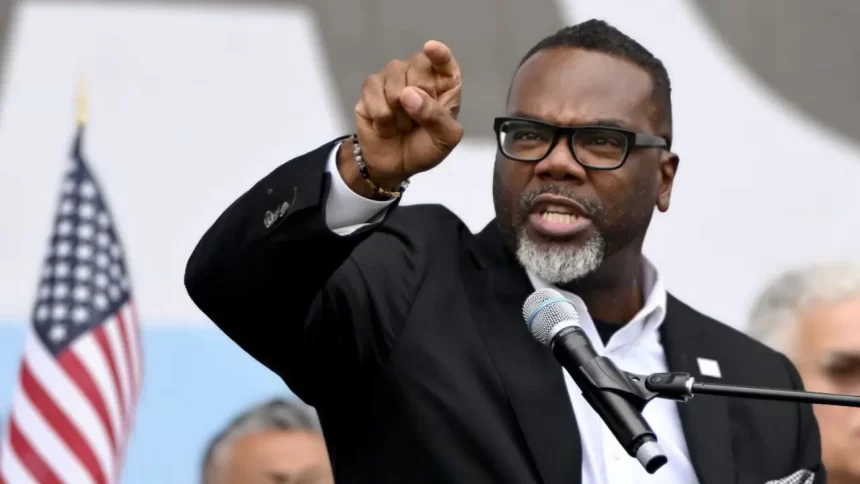
As the community mourns the loss of a promising young life, the mayor held a press conference on Monday to address the growing concerns among residents and lawmakers alike. "Every life lost is a tragedy, and we must ensure that our youth feel safe in their own neighborhoods," Johnson said. He acknowledged the incident’s impact on the community while emphasizing the need for a balanced approach to public safety and immigration.
Community Shock and Outrage
The murder of 19-year-old Javier Silva, a sophomore at the University of Illinois Chicago, has left residents of Pilsen and surrounding areas in shock. Witnesses reported that Silva was attacked while walking home late Saturday night, prompting an outpouring of grief and outrage on social media platforms. Community leaders are demanding swift justice while calling for reforms to ensure such incidents do not happen again.
"Javier was a bright star with dreams of becoming a doctor. His life was cut short, and we need to find solutions that protect our children," said Rosa Martinez, head of a local advocacy group. "This isn’t just about one incident; it’s about the safety of our entire community."

Immigration Policy Takes Center Stage
As the investigation unfolds, the focus shifts to the alleged perpetrator, an undocumented immigrant with prior arrests. Critics point to this incident as evidence that lax immigration policies may pose risks to public safety. During the press conference, Mayor Johnson faced pointed questions about Chicago’s so-called "sanctuary city" status, which limits cooperation between local law enforcement and federal immigration authorities.
"There’s a fine line between being compassionate and being responsible," remarked Alderman Tom Tunney. "We need a policy that protects both our residents and allows us to support those seeking refuge in our city."
Supporters of the mayor defend the city’s immigration stance, stressing the importance of treating all individuals with dignity while providing a pathway for those who contribute positively to society. "Most undocumented immigrants are hardworking individuals who want to build a better life," countered community organizer Lydia Gomez. "This incident does not represent the many who are here to support our communities."
Balancing Public Safety and Compassion
In light of the incident, Mayor Johnson established a task force to review the city’s current immigration policies. The panel will analyze data on crime rates and immigrant communities, and will consider input from various stakeholders, including law enforcement, community leaders, and public health experts. The aim is to strike a balance between compassion for immigrants and the need for enhanced public safety measures.
"We have to ensure that we can coexist as a diverse community while keeping our streets safe," said Mayor Johnson. "This task force will provide us with the insights we need to build effective policies and restore faith in our city’s ability to protect its citizens."
Local and National Reactions
The news of Silva’s murder and its link to immigration has sparked national conversations around the effectiveness of sanctuary policies. Some prominent figures in Washington are using this incident to advocate for stricter immigration laws, arguing that cities should reallocate resources to ensure that local law enforcement agencies maintain cooperation with federal agencies.
Conversely, immigration advocates argue that creating an atmosphere of fear for undocumented residents can lead to underreporting of crimes and diminished community trust in law enforcement. National organizations have rallied to protect the rights of immigrants, emphasizing that comprehensive reform, rather than punitive policies, is the solution.
"As a nation, we must find ways to coexist without scapegoating those who enrich our communities," said Maria Contreras, spokesperson for the National Immigration Forum. "Reforming our systems to provide support, not fear, is the way forward."
What Comes Next?
Community leaders are not only focused on public safety but also on addressing the root causes of violence, such as poverty and lack of access to mental health services. In the wake of this tragedy, discussions around investing in youth programs, mental health initiatives, and economic opportunities are gaining momentum.
"We need to invest in education and opportunities for our kids to deter them from violence and build a stronger future," said Alderman Tunney.
As plans for the task force unfold, residents anxiously await the city’s response to both crime and the complex issue of immigration. Many hope that creating a safe and inclusive environment for all will prevent future tragedies.
Conclusion
While the community grapples with the heart-wrenching loss of Javier Silva, the Chicago mayor is facing an important crossroads as he navigates public safety and immigration policies. The forthcoming discussions will not only affect the future of Chicago but may also shape sentiment around immigration nationwide.
"It’s about finding solutions that ensure everyone in our neighborhoods feels protected and valued," Mayor Johnson concluded. As the dialogue continues, it remains to be seen how the city can innovate its policies while honoring the memory of lost lives and fostering a sense of unity in diversity.