New York Laws Taking Effect January 1, 2026: What Residents, Workers, and Businesses Need to Know
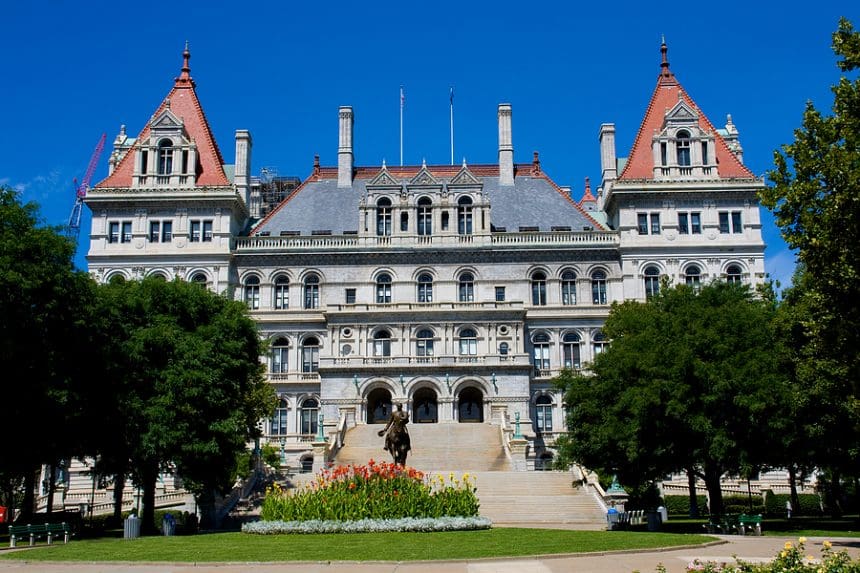
ALBANY, NY (STL.News) As the calendar turns to 2026, a wide range of new laws and regulatory changes are set to take effect across New York, reshaping how people work, how businesses operate, and how consumers are protected. These changes reflect years of legislative debate in Albany, evolving economic conditions, and growing pressure to address affordability, transparency, and accountability in one of the nation’s largest and most complex state economies.
Beginning January 1, 2026, New Yorkers will see higher wages, expanded worker protections, new compliance requirements for businesses, and fresh oversight in areas ranging from corporate ownership disclosure to digital platforms. While some laws have attracted controversy and others remain subject to implementation rules, the direction is clear: New York is continuing its push toward stronger labor standards, greater transparency, and broader consumer safeguards.
This article provides a comprehensive overview of the most significant New York laws scheduled to take effect on January 1, 2026, explaining what they do, who they affect, and why they matter.
Minimum Wage Increases Take Center Stage in 2026
One of the most impactful changes arriving in 2026 is the next phase of New York’s scheduled minimum wage increases. These adjustments are part of a multi-year effort by state lawmakers to keep wages in line with rising living costs, particularly in high-cost urban areas.

As of January 1, 2026:
- The minimum wage will rise to $17 per hour in New York City, Long Island, and Westchester County
- The minimum wage will increase to $16 per hour in the remainder of the state
For millions of workers, this represents a meaningful pay boost heading into the new year. Supporters argue the increase is essential to keeping pace with housing costs, food prices, and transportation expenses. At the same time, critics warn of added pressure on small businesses already operating on thin margins.
The wage increase also triggers corresponding changes to:
- Tip credits for tipped employees
- Cash wage minimums
- Meal and uniform credits
- Salary thresholds for overtime exemptions
Employers across hospitality, retail, healthcare, and service industries are expected to feel the impact most directly.
Expanding Worker Protections and Pay Transparency
In addition to higher wages, New York’s 2026 legal landscape includes expanded worker protections designed to increase transparency and reduce wage disputes.
New pay disclosure standards aim to ensure workers clearly understand how their earnings are calculated, when they will be paid, and what deductions apply. These rules are particularly relevant for gig-economy workers and independent contractors who have historically faced inconsistent pay structures and delayed compensation.
Lawmakers have framed these measures as a modernization of labor standards, arguing that the state’s employment laws must evolve alongside new business models and app-based work arrangements. For workers, the changes promise clearer expectations and stronger enforcement tools. For employers, they introduce new compliance responsibilities and record-keeping requirements.
The New York LLC Transparency Act and Business Disclosure
One of the most closely watched laws scheduled for January 1, 2026, is the New York LLC Transparency Act, which introduces new disclosure requirements for limited liability companies operating in the state.
Under this law, many LLCs formed or registered in New York will be required to disclose information about their beneficial owners to the state. The goal is to reduce the use of anonymous shell companies, deter financial crimes, and improve regulatory oversight.
Key elements of the law include:
- Reporting of individuals who own or control LLCs
- Maintenance of ownership records with state authorities
- Penalties for non-compliance
Business advocates have raised concerns about administrative burdens and data privacy, while supporters argue that the law brings New York into line with global transparency standards. As 2026 approaches, many companies are reviewing their corporate structures and preparing for new reporting obligations.
Consumer Protection Laws Gain New Teeth
Consumer protection remains a central theme of New York’s 2026 reforms. Several laws taking effect January 1 are designed to strengthen safeguards against deceptive practices and improve fairness in everyday transactions.
These changes focus on clearer disclosures, standardized pricing information, and stronger enforcement authority for state regulators. Industries affected include retail, online services, and delivery platforms, where consumer complaints have risen in recent years.
Advocates say these laws empower consumers with better information and more predictable outcomes, while businesses are being urged to review contracts, digital interfaces, and advertising practices to ensure compliance.
Digital Platforms and Online Accountability
New York lawmakers have increasingly focused on digital platforms, particularly those that shape consumer behavior through algorithms, notifications, and engagement features.
Beginning in 2026, certain online services operating in New York will face new obligations aimed at transparency and user awareness. These measures reflect growing concern over the societal impact of digital design choices, especially on younger users.
The laws give state authorities expanded powers to investigate and penalize violations, signaling a more assertive regulatory approach in the digital space. Technology companies operating nationally will need to account for New York’s rules when designing products and policies.
Housing, Property, and Development Regulations
While some high-profile housing initiatives have been delayed beyond 2026, several property-related changes will still take effect at the start of the year.
These include updated compliance standards for landlords, refinements to tenant notification requirements, and adjustments to enforcement mechanisms for housing violations. The intent is to improve habitability, reduce disputes, and streamline oversight without discouraging investment.
Property owners and managers are advised to carefully review their obligations, as penalties for non-compliance can be significant.
Transportation, Licensing, and Public Safety Changes
New York’s 2026 laws also touch transportation and licensing, with reforms aimed at modernizing enforcement and improving safety outcomes.
Updates to traffic rules, licensing standards, and penalty structures reflect an effort to balance deterrence with fairness. In some cases, point systems and fines are being recalibrated to better match the severity of violations.
State officials say these changes are designed to improve compliance while reducing unnecessary burdens on drivers and small operators.
Economic and Political Context Behind the 2026 Laws
The laws taking effect in January 2026 did not emerge in isolation. They are the product of broader economic pressures, shifting workforce dynamics, and political priorities shaped by years of debate in Albany.
Under the leadership of Kathy Hochul, state lawmakers have emphasized affordability, worker rights, and accountability as central goals. Rising inflation, labor shortages, and changes in how New Yorkers live and work all influenced the final legislative package.
Supporters argue these laws position New York as a national leader in labor standards and consumer protections. Critics caution that higher costs and regulatory complexity could discourage business investment or accelerate out-migration. Both sides agree that the effects of these changes will be closely watched in the years ahead.
What New Yorkers Should Do Now
With January 1, 2026, approaching, preparation is key.
Workers should:
- Review updated wage rates and pay statements
- Understand new rights related to transparency and timing of pay
- Ask employers for clarification when needed
Businesses should:
- Conduct compliance reviews for wage, disclosure, and reporting requirements
- Update payroll systems and internal policies
- Consult legal or accounting professionals where appropriate
Consumers and property owners should:
- Familiarize themselves with new protections and responsibilities
- Monitor official guidance as agencies issue implementing rules
Looking Ahead: A Year of Adjustment
While January 1, 2026 marks the formal start date for these laws, their real-world impact will unfold throughout the year. State agencies will issue guidance, businesses will adapt, and courts may be called upon to interpret key provisions.
What is clear is that New York’s legal landscape continues to evolve, reflecting the state’s ongoing effort to balance economic growth with fairness and accountability. For residents and businesses alike, understanding these changes is essential to navigating the year ahead.
As 2026 begins, New York enters a new chapter—one defined by higher wages, stronger oversight, and a renewed focus on transparency in both the public and private sectors.
Related news article published on STL.News:
- California Laws Taking Effect January 1, 2026
- Florida Laws Taking Effect January 1, 2026
- Nevada Laws Taking Effect January 1, 2026
- Wyoming Laws That Go Into Effect January 2, 2026
- Federal Laws – Policy Changes Taking Effect January 1, 2026
© 2025 STL.News/St. Louis Media, LLC. All Rights Reserved. Content may not be republished or redistributed without express written approval. Portions or all of our content may have been created with the assistance of AI technologies, like Gemini or ChatGPT, and are reviewed by our human editorial team. For the latest news, head to STL.News.