


The Legal Firestorm: Unpacking the $10 Billion Defamation Case Against the BBC
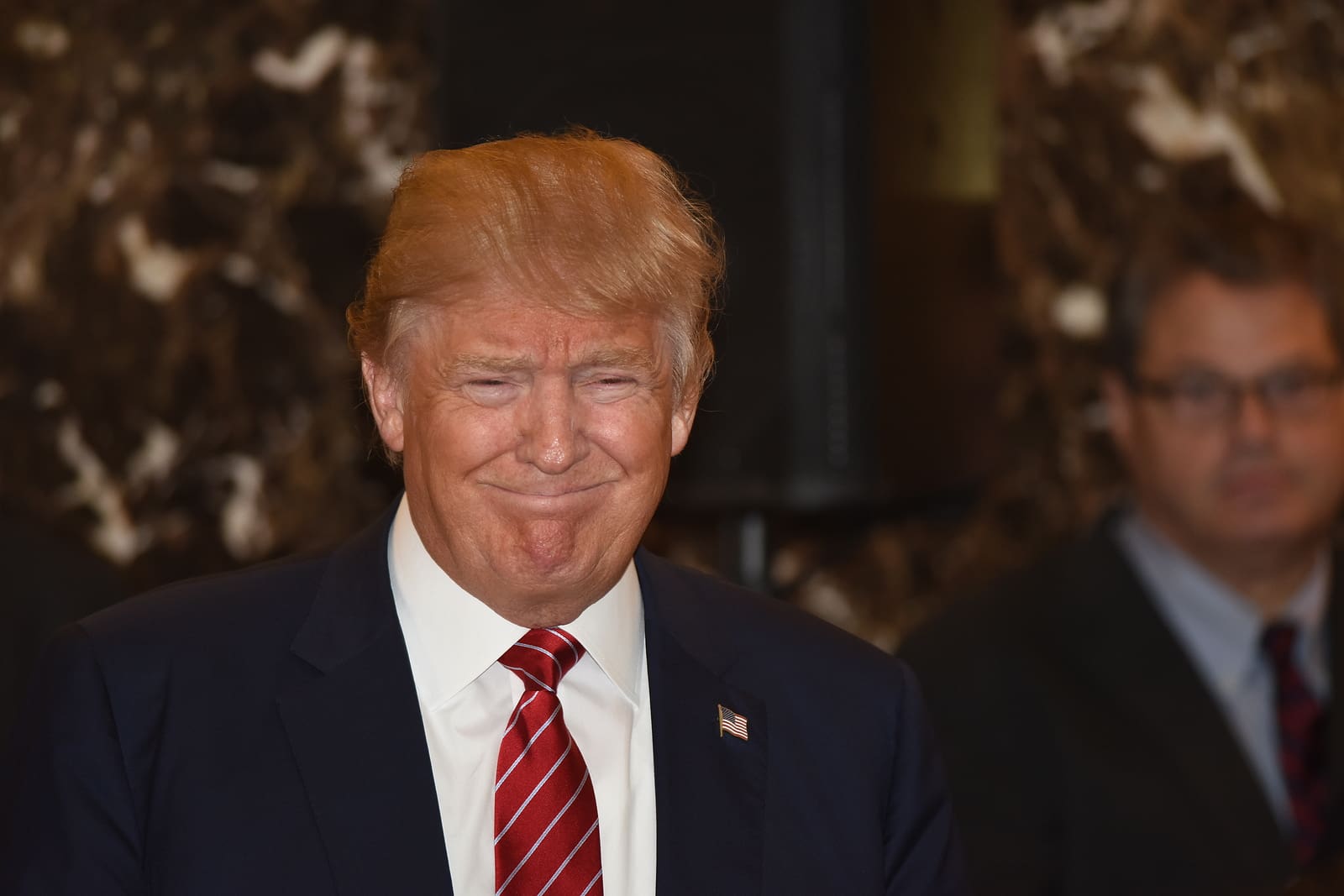
(STL.News) In a major development that underscores the high-stakes friction between powerful political figures and international media, President Donald Trump has filed a massive $10 billion defamation lawsuit against the British Broadcasting Corporation (BBC). The core of the complaint alleges that the globally recognized public broadcaster intentionally and deceptively edited footage of the President’s January 6, 2021, speech, creating a false and damaging narrative.
While the BBC has publicly acknowledged an editorial misstep, the case forces a direct confrontation with the fundamental legal principles that govern press freedom and the boundaries of political criticism in the United States. This dispute is not merely a clash of personalities; it is a test of the highest standard of proof required in American defamation law.
The Allegation: Splicing and Context
The lawsuit, filed in a U.S. federal court, centers on a documentary aired by the BBC’s investigative series, Panorama.
According to the President’s legal team, the documentary used a highly edited clip of the lengthy speech delivered on the Ellipse before the riot at the U.S. Capitol. The allegation is that the BBC producers deliberately spliced together phrases from two or more entirely separate moments of the speech—segments delivered many minutes apart—to create a misleading sequence.
The central claim is that this editing technique linked the President’s calls to “fight like hell” or similar phrases directly to the idea of marching on the Capitol, while omitting or minimizing statements from the original speech in which he urged supporters to protest “peacefully and patriotically.” The legal filing contends that this manipulation was done with malicious intent to present the President as actively directing violence and insurrection.
The President’s team argues that this alleged journalistic manipulation caused “overwhelming reputational and financial harm,” justifying the demand for $10 billion in damages across the counts of defamation and alleged deceptive trade practices under Florida law.
The BBC’s Response: Apology, But No Legal Basis
The BBC’s public posture on the issue has been two-fold: accepting an editorial failure while firmly rejecting the legal claims.
Before the lawsuit was filed, the BBC issued a statement acknowledging that the specific editing of the clip was an “error of judgment.” This acknowledgment led to a substantial internal review and the subsequent high-profile resignations of key leadership figures within the BBC’s news division, signaling the seriousness with which the organization treated the editorial lapse.
However, the broadcaster has drawn a hard line against the legal action. The BBC has publicly stated that while they “sincerely regret the manner in which the video clip was edited,” they “strongly disagree that there is a basis for a defamation claim” and have vowed to defend the lawsuit in court.
In essence, the BBC concedes that the editing process was flawed and misleading—an editorial failure—but maintains that this failure does not meet the necessary legal threshold for defamation.
The U.S. Legal Battlefield: An Uphill Climb
For President Trump’s lawsuit to succeed, it must navigate the profound constitutional protections afforded to the press under the First Amendment. Legal experts widely agree that this will be the lawsuit’s most significant hurdle, regardless of the BBC’s admitted editorial error.
The “Actual Malice” Standard
As a public figure, the President is subject to the rigorous standard established by the Supreme Court’s 1964 New York Times Co. v. Sullivan decision. Under this precedent, the plaintiff must prove, with “clear and convincing evidence,” that the publisher acted with “actual malice.”
This is a legal term of art, meaning the plaintiff must prove the BBC either:
- Knew the statement was false, OR
- Published the statement with reckless disregard for the truth.
The fact that the BBC has admitted to an “error of judgment” provides some evidence of carelessness, but negligence or poor editing is not the same as legal malice. To prove malice, the President’s lawyers would likely need access to internal BBC communications—emails, production notes, and meeting minutes—to demonstrate that producers consciously held serious doubts about the truthfulness of the edited clip’s implication but proceeded anyway. This is an extremely high, difficult bar to clear.
Jurisdictional and Publication Issues
The lawsuit also faces obstacles regarding where the case was filed and where the program was viewed. The documentary was primarily broadcast in the United Kingdom, not on the BBC’s main channels in the United States.
- Jurisdiction: The President’s team filed the suit in Florida, potentially because the statute of limitations for defamation in the U.K. had already expired. This forces them to prove that the BBC conducts enough business in Florida—perhaps through its website or streaming partnerships—to justify the court having jurisdiction over the foreign entity.
- Publication and Harm: The BBC is expected to argue that a program not widely viewed by American audiences cannot cause the kind of “overwhelming reputational and financial harm” in the U.S. required to win a federal defamation case. Furthermore, the BBC’s lawyers may contend that the “gist” or “sting” of the story was already substantially true, given the context of the day, a common defense in libel law.
The Battle Over Intent vs. Error
At its heart, the lawsuit is a battle over intent.
The President claims the editing was a deliberate, malicious attempt to interfere with his political standing and to defame his character. This claim demands a finding of institutional dishonesty.
The BBC maintains that the editing was an editorial mistake that, while wrong, falls short of the constitutional standard for defamation. Their defense will rely on demonstrating that they acted in good faith, albeit with poor judgment, and that punishing honest mistakes is precisely the kind of “chilling effect” the First Amendment was designed to prevent.
While the $10 billion figure is attention-grabbing, the most critical element of this case is its potential to test the limits of free press protection in an era of intense political polarization and heightened scrutiny of media ethics. The final ruling, whatever the outcome, will serve as a significant marker for the legal relationship between American politicians and the international press.
© 2025 STL.News/St. Louis Media, LLC. All Rights Reserved. Content may not be republished or redistributed without express written approval. Portions or all of our content may have been created with the assistance of AI technologies, like Gemini or ChatGPT, and are reviewed by our human editorial team. For the latest news, head to STL.News.



