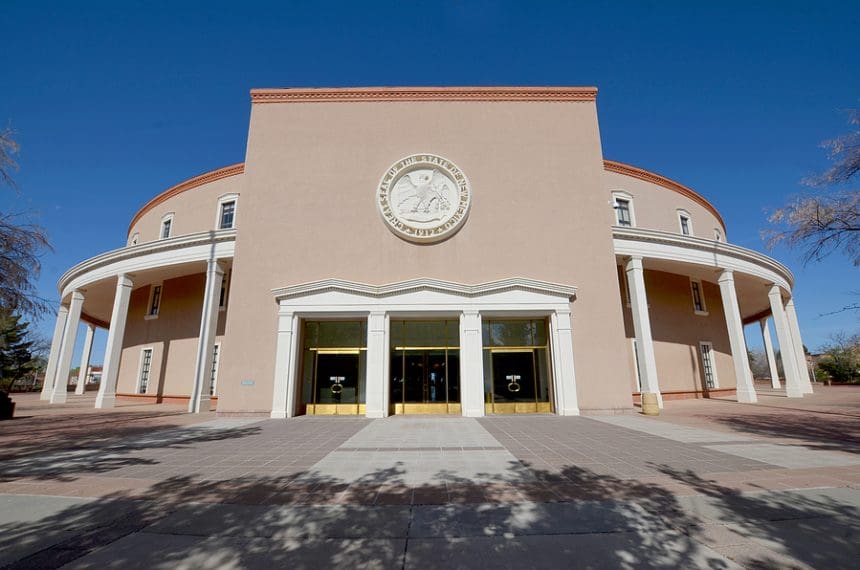
New Laws Taking Effect in New Mexico on January 1, 2026: What Residents, Workers, and Businesses Need to Know
SANTA FE, NM (STL.News) As the calendar turns to January 1, 2026, a wide range of new laws and regulatory changes will take effect across New Mexico, bringing meaningful updates that affect workers, employers, families, veterans, and public assistance recipients. These changes reflect the state’s continued focus on economic stability, workforce modernization, social equity, and administrative efficiency.
While some of the measures introduce immediate, tangible changes—such as higher wages and new compliance requirements—others mark the beginning of longer-term policy rollouts that will shape New Mexico’s economic and social landscape in the years ahead. Below is a comprehensive overview of the most significant laws and policy changes scheduled to take effect on January 1, 2026, and how they may impact daily life across the state.
A Higher Minimum Wage Reshapes the Labor Market in New Mexico
One of the most consequential changes arriving in 2026 is the increase in New Mexico’s statewide minimum wage to $17 per hour. This adjustment places the state among the highest minimum-wage states in the nation and represents a substantial increase from prior years.
The increase is designed to help workers keep pace with the rising cost of living, particularly in housing, food, healthcare, and transportation. For many low- and middle-income workers, the new wage floor is expected to provide greater financial stability and reduce reliance on public assistance programs.

The change also continues the state’s movement away from separate wage structures, including lower base wages for tipped employees. Employers in industries such as hospitality, food service, and retail will need to reassess payroll budgets, pricing strategies, and staffing models to adapt to the higher labor costs.
Supporters argue the increase will boost consumer spending and reduce employee turnover, while critics caution that smaller businesses may face pressure to cut hours, raise prices, or slow hiring. Regardless of perspective, the wage hike marks a defining shift in New Mexico’s labor landscape.
Expanded Financial Tools for People With Disabilities and Veterans in New Mexico
Beginning January 1, 2026, New Mexico will expand access to ABLE (Achieving a Better Life Experience) accounts, offering new financial flexibility to people with disabilities, including disabled veterans.
ABLE accounts allow eligible individuals to save and invest money without jeopardizing access to certain public benefits. Funds can be used for qualified expenses such as housing, education, transportation, healthcare, and assistive technologies.
The expansion aligns state rules with updated federal standards, broadening eligibility and recognizing that many individuals acquire disabilities later in life, particularly veterans. For families and individuals navigating disability-related expenses, the change provides a valuable tool for long-term financial planning and independence.
Advocates say the update reflects a more realistic understanding of disability and economic participation, while also honoring the needs of veterans transitioning to civilian life with service-related injuries or conditions.
Mandatory Electronic Filing for Employers in New Mexico
Another major change affecting businesses across New Mexico takes effect at the start of 2026: mandatory electronic filing for wage withholding and workers’ compensation fee returns.
Under the new requirements, employers must submit filings and payments electronically rather than using paper forms. Reporting deadlines are also standardized, with filings due on the 25th day of the month following the end of each reporting quarter.
State officials say the change is intended to modernize tax administration, reduce processing errors, improve compliance, and speed up reconciliation. For many employers, particularly larger organizations, electronic filing is already standard practice. However, smaller businesses and sole proprietors may need to update systems, software, or accounting practices to remain compliant.
Failure to transition to electronic filing could result in penalties or delays, making early preparation essential for employers heading into the new year.
Changes to SNAP Work Requirements Affect Benefit Recipients in New Mexico
While driven by federal policy, changes to Supplemental Nutrition Assistance Program (SNAP) work requirements will begin affecting New Mexicans on January 1, 2026.
Under the updated rules, able-bodied adults without dependents within a broader age range must meet monthly work, training, or volunteer requirements to maintain eligibility for food assistance. The changes narrow some exemptions that previously allowed individuals to receive benefits without meeting work-related criteria.
State agencies have emphasized outreach and education efforts to ensure recipients understand the new requirements and available pathways to compliance, including job training and workforce development programs.
Advocacy groups warn that individuals in rural areas or regions with limited employment opportunities may face challenges meeting the requirements. At the same time, supporters argue the changes encourage workforce participation and self-sufficiency.
Paid Family and Medical Leave Program Moves Forward in New Mexico
New Mexico’s Paid Family and Medical Leave initiative does not fully launch in 2026, but January 1 marks a key milestone in its implementation.
By the start of the year, state agencies are required to complete planning and actuarial work that will inform future contribution rates, benefits structures, and administrative systems. The program is designed to eventually provide workers with paid time off for events such as the birth or adoption of a child, serious medical conditions, or caregiving responsibilities.
Although workers will not yet see payroll deductions or benefit payouts in 2026, the groundwork laid this year is critical. Employers and employees alike are encouraged to monitor rulemaking developments and prepare for future compliance obligations.
Supporters view the program as a long-overdue support for working families, while opponents remain concerned about costs and administrative complexity.
Ensuring Continuity of Food Assistance Programs in New Mexico
In addition to changes affecting SNAP eligibility, New Mexico has enacted measures designed to ensure continuity of food assistance funding in early 2026. These provisions are intended to prevent disruptions in benefits during periods of federal uncertainty or delayed appropriations.
While not altering eligibility rules or benefit amounts directly, the funding safeguards aim to provide stability for households that rely on nutrition assistance to meet basic needs.
Broader Economic and Social Implications in New Mexico
Taken together, the laws taking effect on January 1, 2026, reflect a broader policy direction in New Mexico: strengthening worker protections, modernizing government systems, and expanding access to financial and social support programs.
For workers, the higher minimum wage and future paid leave program signal an emphasis on income security and work-life balance. For businesses, the changes underscore the importance of adapting to new compliance standards and labor costs in a rapidly evolving economic environment.
For families, veterans, and individuals with disabilities, expanded financial tools and benefit protections offer new opportunities for stability and independence.
What New Mexicans Should Do Now
As the new year approaches, residents and organizations across the state are encouraged to prepare:
- Workers should review pay stubs and employment agreements to ensure wages reflect the new minimum.
- Employers should update payroll systems, confirm electronic filing capabilities, and plan for higher labor expenses.
- Benefit recipients should familiarize themselves with updated SNAP requirements and available workforce resources.
- Families and caregivers should stay informed about the phased rollout of paid family and medical leave.
State agencies are expected to continue releasing guidance and educational materials throughout 2026 as additional rules and programs move closer to full implementation.
Looking Ahead
January 1, 2026, marks more than a simple change of date for New Mexico—it represents a turning point in how the state approaches wages, benefits, and administrative efficiency. While debates will continue over the economic impact of these laws, their influence on daily life will be immediate and far-reaching.
As New Mexico moves into the next phase of its policy evolution, the effects of these changes will be closely watched by workers, employers, and policymakers alike, setting the tone for the state’s economic and social direction in the years ahead.
Related news articles published on STL.News:
- Indiana Laws Taking Effect January 1, 2026
- Minnesota Laws Taking Effect January 1, 2026
- Wisconsin Laws Taking Effect January 1, 2026
- Rhode Island Laws Taking Effect January 1, 2026
- South Carolina Laws Taking Effect January 1, 2026
© 2025 STL.News/St. Louis Media, LLC. All Rights Reserved. Content may not be republished or redistributed without express written approval. Portions or all of our content may have been created with the assistance of AI technologies, like Gemini or ChatGPT, and are reviewed by our human editorial team. For the latest news, head to STL.News.