Headline: Dispute Erupts Over Notwithstanding Clause in Bill 21 Debate
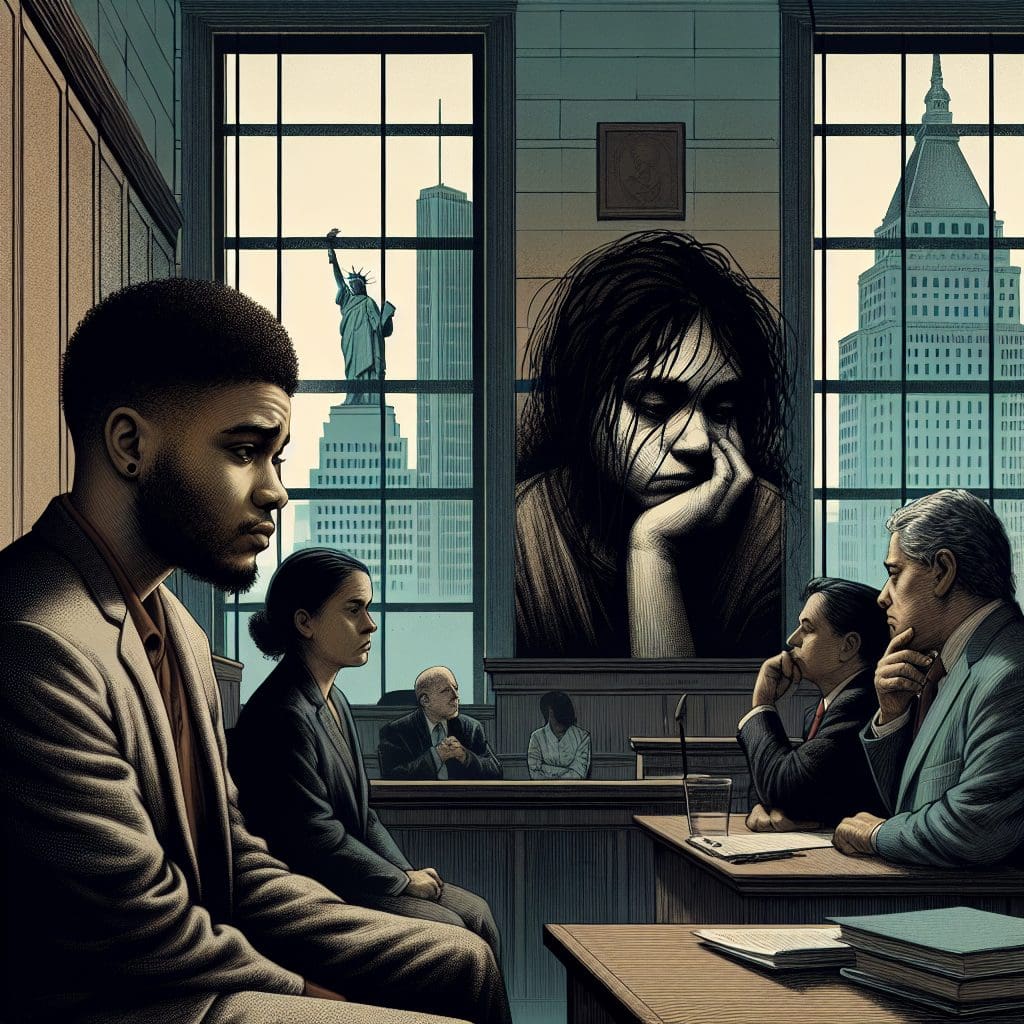
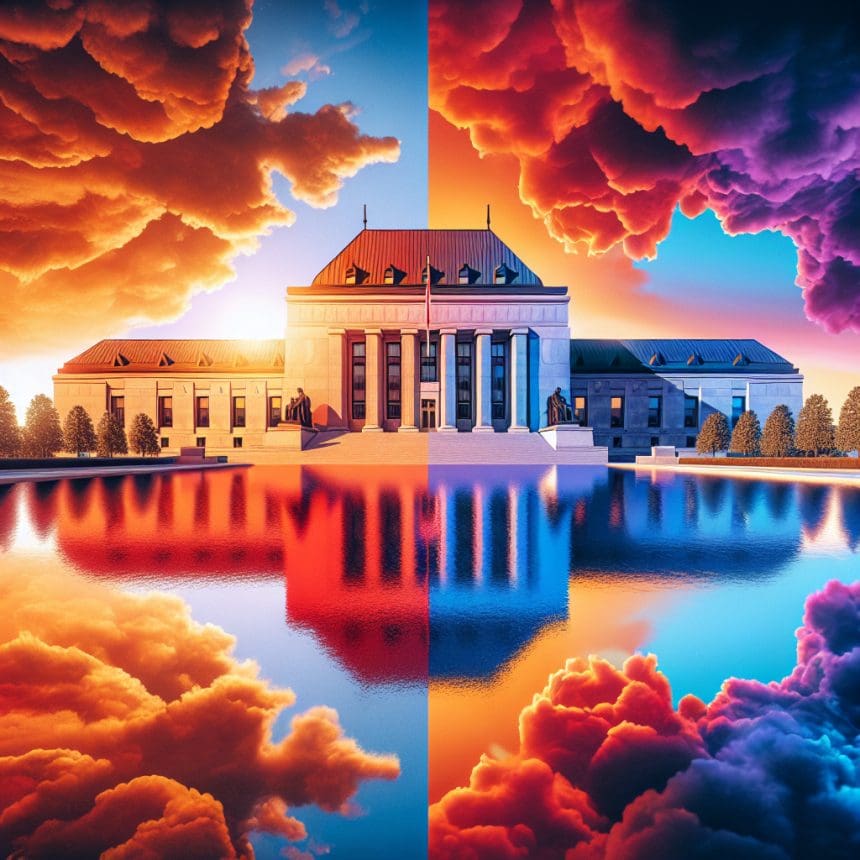
Contentious debates have surfaced in recent Supreme Court hearings regarding Quebec’s Bill 21, which prohibits certain public employees from wearing religious symbols. As the hearings unfold over the past week in Ottawa, divergent opinions among legal experts, politicians, and citizens emphasize the national divide on the issue, particularly concerning the application and implications of the Notwithstanding Clause.
Bill 21, officially titled "An Act respecting the laicity of the State," was enacted by the Quebec government in June 2019 to affirm the secular nature of the state. This controversial legislation effectively bars teachers, police officers, and other public servants from displaying religious symbols while performing their duties. Critics argue that the law infringes on individual rights and freedoms, while supporters maintain that it reinforces Quebec’s secular identity.
In recent hearings, introduced on October 1, 2023, justices have been tasked with deliberating the legality of the law as well as its alignment with the Canadian Charter of Rights and Freedoms. The court’s decisions may reshape the future of religious freedom and secularism across Canada, drawing attention to the province’s efforts to define its social and cultural landscape.

Legal experts have noted that the discussion of the Notwithstanding Clause—a provision that allows provincial governments to override certain Charter rights—has become a focal point for both sides of the debate. Proponents of Bill 21 argue that the Quebec government rightly utilized this clause to uphold its secular framework. In contrast, opponents contend that this misuse of the clause undermines the protections afforded to individual freedoms.
The Supreme Court hearings feature insights from various stakeholders, including representatives from religious organizations, civil liberties groups, and the provincial government. The Quebec Minister of Justice, Simon Jolin-Barrette, has vocalized strong support for the law, asserting that it is essential for preserving Quebec’s distinct secular identity. "Our society must be based on secularism; this law reflects our commitment to that principle," Jolin-Barrette stated during testimony.
Meanwhile, prominent civil rights advocates have expressed dismay at the implications of the law, insisting that it perpetuates discrimination against religious minorities. Khadija Afnan, a representative from the Canadian Civil Liberties Association, argued, "By enforcing such a law, Quebec is not just targeting individuals; it is setting a dangerous precedent for how we view religious freedoms in our nation." During her testimony, Afnan highlighted significant cases of workplace discrimination resulting from the law, emphasizing the emotional and social toll it has imposed on affected individuals.
Public opinion reflects this divide on Bill 21. Recent polls show that while a significant portion of Quebecois supports the law, particularly among the province’s francophone majority, there continues to be pushback from various demographics outside Quebec, particularly within multicultural urban centers like Toronto and Vancouver. Social media discussions further fuel the ongoing controversy, with hashtags related to Bill 21 trending nationally.
As the hearings progress, many Canadians are watching closely to see how the court’s ruling may address the complexities surrounding the Notwithstanding Clause. Legal analysts suggest that the decision may set vital precedents for how future governments can invoke this clause when legislating on contentious social issues.
What’s more, the ramifications could extend beyond Quebec; federal leaders are already raising the possibility of a national dialogue on secularism and religious rights. Prime Minister Justin Trudeau recently stated, "We must ensure that our approach to secularism aligns with the values of freedom and equality that we cherish as Canadians. Let’s have this conversation, not just for Quebec, but for our entire nation."
Should the Supreme Court uphold Bill 21, it may embolden other provinces to consider similar laws or use their respective Notwithstanding Clauses, expanding the nexus of religion and governance in Canada. Conversely, a decision against the law may signal a broader commitment to uphold individual freedoms, possibly reshaping the landscape of religious expression in public life across the country.
As the debates continue and further testimonies are scheduled, tensions could escalate, potentially impacting upcoming elections. Voter sentiment regarding Bill 21 may become a pivotal topic, influencing not only provincial races but also national conversations around identity, inclusivity, and the balance between secular governance and religious expression.
In conclusion, the Supreme Court hearings on Bill 21 unveil a national divide that extends beyond legal frameworks, highlighting the broader cultural realities and multifaceted perspectives that define Canada today. As opinions clash and the court deliberates, the outcome will undoubtedly have significant implications for the future of religious rights and the principles of secularism within the Canadian context. Citizens across the country should remain engaged and informed as this critical legal battle unfolds, while the spotlight remains on how we navigate the intersection of faith, governance, and identity in a diverse society.