Machado’s Historic Gesture: Nobel Peace Prize Medal Presented to Trump in White House Meeting
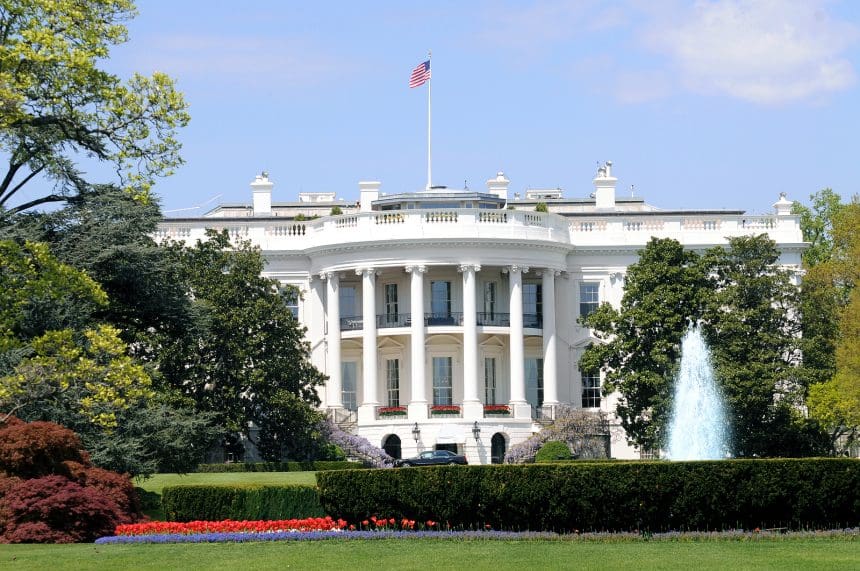
(STL.News) In a moment that has captured global attention and ignited intense political debate, Venezuelan opposition leader María Corina Machado presented her Nobel Peace Prize medal to former U.S. President Donald J. Trump during a high-profile meeting at the White House on January 15, 2026. The gesture, which Machado described as a profound symbol of gratitude and political strategy, took place amid ongoing uncertainty about Venezuela’s political future and shifting alliances in Washington.
The meeting between Machado and Trump
It was their first in-person meeting marked a dramatic chapter in the evolving relationship between U.S. foreign policy and Venezuela’s pro-democracy movement. Machado, who won the 2025 Nobel Peace Prize for her years of activism and leadership in opposition to authoritarian rule in Venezuela, stunned observers when she placed the physical Nobel medal into Trump’s hands, describing the act as a personal and diplomatic tribute to his perceived support of Venezuelan freedom.
Standing side by side in the Oval Office, Machado framed the moment as one of mutual respect and shared purpose. Machado likened her handing over of the medal to historic gestures of solidarity, invoking imagery of past international alliances and symbolic transfers among leaders who fought for liberty and justice. She emphasized that the medal represents not only her gratitude but also that of many Venezuelans who view the United States as a pivotal partner in their struggle for democratic governance.

Trump responded publicly on his social media platform, calling the exchange a “wonderful gesture of mutual respect” and expressing his appreciation for Machado’s courage and her battle against tyranny. A framed display of the medal later appeared on official White House channels, accompanied by an inscription honoring Trump’s “principled and decisive action to secure a free Venezuela.” Trump’s remarks also underscored his long-expressed desire to be associated with the Nobel Peace Prize — an ambition he has voiced publicly for years.
The symbolic exchange occurred against a backdrop of extraordinary geopolitical events. In early January 2026, U.S. forces carried out a dramatic operation that resulted in the capture of Venezuelan President Nicolás Maduro, who is now facing legal proceedings in the United States. That operation has reshaped the political calculus in Caracas and Washington, placing interim leadership and Venezuela’s future direction at the center of international scrutiny.
Machado’s gesture is widely interpreted as both a sincere expression of gratitude and a calculated political move. With Venezuela’s leadership in flux and the United States playing a decisive role on the global stage, Machado sought not only to honor Trump but to solidify support for her vision of democratic transition. In her remarks after the meeting, she reiterated her commitment to a peaceful and responsible transition toward representative governance and emphasized the need for continued collaboration between Venezuela and the United States.
Yet, the act of handing over the Nobel Peace Prize medal has also stirred controversy and raised important questions about symbolism, legitimacy, and political strategy. The Nobel Peace Prize, long regarded as one of the most prestigious international honors, is intrinsically tied to the individual recipient’s moral authority and global reputation. Although medals can technically change hands as physical objects, the title of Nobel Peace Prize laureate is non-transferable — meaning Machado remains the legitimate awardee regardless of where the medal resides. Visit NobelPeacePrize.org.
This nuance has not stopped critics from weighing in. Some observers argue that Machado’s move risks politicizing the Nobel Peace Prize in unprecedented ways, potentially undercutting her credibility among those who view her gesture as overly deferential or opportunistic. Others contend that the award itself was intended to elevate voices calling for democratic reform and human rights, and that Machado’s decision to present the medal to Trump actually reflects realpolitik more than principled advocacy.
International reactions have been mixed. Supporters of Machado’s efforts have applauded her for taking bold steps to secure meaningful attention for Venezuela’s plight on the world stage. Many see the symbolism of the medal exchange as a reinforcement of shared democratic values, especially in contrast to the authoritarian dynamics that have defined Venezuelan politics for decades.
Meanwhile, detractors — including some Nobel observers and foreign policy analysts — argue that a Nobel Prize should transcend short-term political maneuvering. To them, the ceremony’s sanctity lies in recognizing long-term contributions to peace rather than in its utility as a bargaining chip in contemporary geopolitics. These critics have expressed concern that such a public and controversial display could overshadow the original intent of honoring Machado’s work and those of countless Venezuelans who have endured hardship under repressive rule.
For Trump, accepting the medal has also presented both a political opportunity and a potential pitfall. His endorsement of the gesture reinforces his narrative of strong leadership on the world stage, particularly in foreign affairs tied to democratic liberation and international security. Yet it also invites scrutiny from critics who see the Nobel Peace Prize itself as a complex institution and wonder whether its symbolism aligns with Trump’s policy record and global reputation.
Inside Washington, the dynamics of the meeting and its aftermath continue to reverberate through congressional halls and diplomatic back channels. Machado spoke not only with Trump but also met with lawmakers on Capitol Hill, where she reiterated the urgency of democratic reforms in Venezuela and the importance of sustained U.S. engagement. Her message underscored a simple yet profound theme: that Venezuela’s future hinges on international solidarity and the will of its people to break free from cycles of repression.
As debates continue over the implications of this unprecedented exchange, one thing remains clear: the image of María Corina Machado presenting her Nobel Peace Prize medal to Donald Trump will be remembered as one of the most talked-about political moments of 2026. Whether it will be viewed in history as a masterstroke of diplomacy, a controversial misstep, or something in between depends on how the political landscape unfolds in the coming months.
For now, the world watches as Venezuela’s struggle for democratic identity plays out on the global stage — with symbols, leaders, and long-standing institutions all recalibrating their roles in an uncertain era. Machado’s gesture, rich with symbolism and fraught with debate, may yet influence not only Venezuelan politics but the broader conversation about leadership, recognition, and the pursuit of peace in the 21st century.
© 2025 STL.News/St. Louis Media, LLC. All Rights Reserved. Content may not be republished or redistributed without express written approval. Portions or all of our content may have been created with the assistance of AI technologies, like Gemini or ChatGPT, and are reviewed by our human editorial team. For the latest news, head to STL.News.