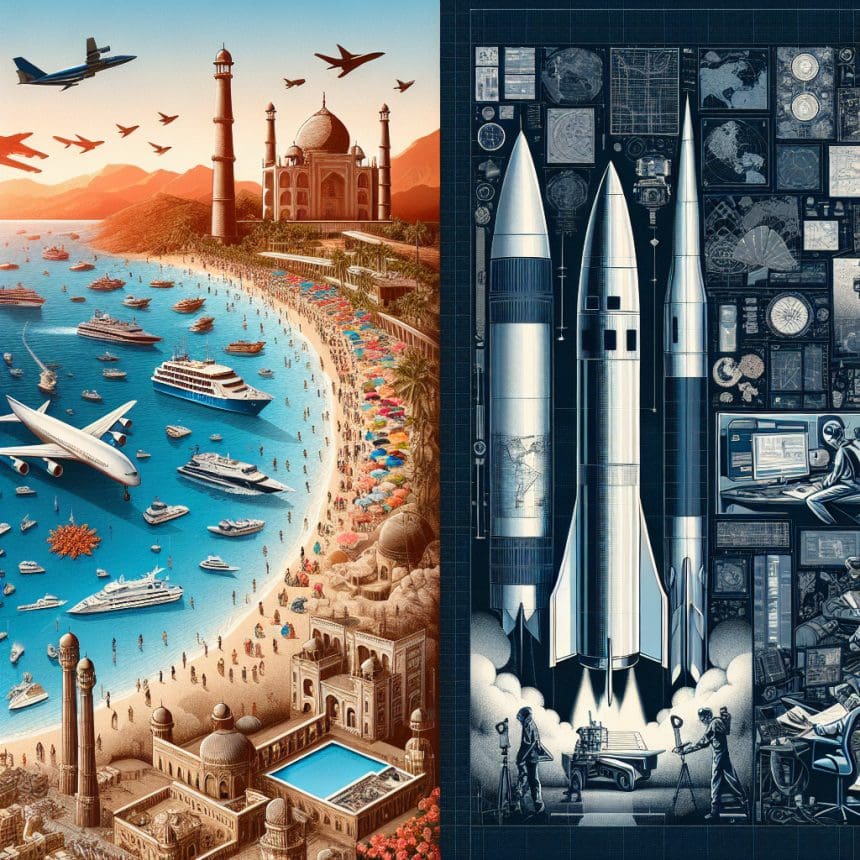
Headline: Iran’s Missile Expansion Amid Ongoing Conflict Raises Global Concerns
Iran has escalated tensions on the global stage, asserting its commitment to advancing missile technology as it enters the third week of conflict in its region. Amid growing concerns for international tourism sites, Iranian officials remain steadfast in their pursuit, citing national security as a primary justification. This development raises alarms not only for regional stability but also for international travelers who frequent sites that have historically been seen as peaceful.
Iran’s Stance on Missile Development
In a recent press conference, Iran’s defense ministry emphasized that missile development remains a top priority, particularly as the conflict, which erupted three weeks ago, shows no signs of abating. Iranian officials argue that the country faces various threats that necessitate a robust missile program. The statements come in the wake of intensified scrutiny from Western nations and potential repercussions for tourism-dependent economies globally.
The Urgent Threat to Global Tourism
Iran’s renewed missile ambitions coincide with the critical tourism season for many countries in the region. Historically rich sites such as Persepolis and the Tomb of Cyrus, along with Fars Province, have drawn millions of tourists annually. However, with escalating military activities and missile tests, tourism officials warn that visitor numbers could plummet as safety concerns rise. Countries like Turkey, Iraq, and Gulf states may also feel the effects of a decline in inbound tourists due to fears surrounding the stability of neighboring Iran.

Experts Weigh In on the Implications
Security analysts are sounding alarms about the potential ramifications of Iran’s continued missile development. Dr. Emily Garrett, a geopolitical analyst based in Washington, D.C., stated, "Iran’s progression in missile technology, especially amid a conflict, could alter the landscape of safety for travelers in the region." She highlighted that many tourists seek the rich history and culture of Iran, but ongoing military projects can overshadow these attractions.
Regional Reactions and Countermeasures
The regional responses to Iran’s declarations have been swift. Neighboring countries are enhancing their defenses and reassessing travel advisories for their citizens. For instance, Saudi Arabia has urged its citizens to avoid travel to Iran and surrounding areas, while Turkey has fortified border security points.
In addition, the UN’s World Tourism Organization (UNWTO) has expressed concern about the potential impact of Iran’s military escalations on tourism across the broader Middle East.
Iran’s Justification for Missile Programs
Iran’s leaders contend that their missile program is vital for national defense, arguing that it serves as a deterrent against foreign aggression. In previous statements, they have pointed to perceived threats from the U.S. and Israel, maintaining that a robust military presence is essential for national sovereignty. The Iranian government has also stated that its missile technology is purely defensive and aimed at protecting its territorial integrity.
Global Reactions and Diplomacy
The international community’s response has been mixed. While some nations condemn Iran’s actions, others advocate for negotiations and diplomatic interventions to de-escalate tensions. The U.S. has reiterated its stance on sanctions, indicating that military prowess will not be tolerated. However, diplomatic channels remain open, with some European countries expressing a desire for dialogue.
The Future of Iran’s Tourism Industry
While Iran’s missile ambitions dominate the news, the future of its tourism industry remains uncertain. Local businesses heavily reliant on international visitors face a precarious situation amidst increasing military activity. Travel agencies and operators have noted a decrease in bookings from international travelers, particularly those from Europe and North America.
The Call for Balanced Reporting
Despite the rising tensions, some experts advocate for a balanced view of Iran, suggesting that the global narrative often overlooks the country’s rich history and cultural contributions. Dr. Fatima Nourani, a cultural historian, argues that portraying Iran solely as a military threat undercuts the profound heritage that the country offers. "Tourism can foster peace and understanding among nations, but fear-driven narratives can obstruct the very dialogue that is necessary for coexistence," she says.
Conclusion: The Need for Global Attention
Iran’s commitment to missile development amid ongoing conflict poses significant implications for global tourism and international relations. As the situation evolves, travelers and tourism-dependent economies must navigate this uncertain landscape carefully. Companies and governments should closely monitor developments and adapt their strategies to mitigate risks while promoting safe travel options for tourists eager to experience Iran’s rich offerings.
All eyes will be on Iran in the coming weeks as it grapples with both internal demands and external pressures. The potential fallout from continuing missile advancements cannot be ignored, particularly as travel safety remains pivotal in defining the future of tourism in the Middle East. Staying informed and fostering dialogue will be crucial for all stakeholders involved.