Headline: IPC President Critiques Ukraine’s Shift at Milan-Cortina Paralympics
Article
In a significant development this past weekend, International Paralympic Committee (IPC) President Andrew Parsons expressed his disappointment with Ukraine’s national team during a press conference at the Milan-Cortina Paralympics. Set against the backdrop of intense global scrutiny following the ongoing conflict in Ukraine, Parsons highlighted concerns regarding the team’s apparent focus on political issues rather than prioritizing athletic performance. The statement casts a shadow over the anticipated participation of Ukraine’s athletes in the prestigious event.
Parsons, who serves as the figurehead for the global governing body of the Paralympic Movement, noted that the upcoming games, scheduled for early March 2026, should primarily center on competition and sportsmanship. His remarks stemmed from observations that the Ukrainian team has increasingly engaged in political discourse, overshadowing their athletic achievements. "We respect the athletes and their struggles," Parsons said. "But the spirit of the Games is to showcase talent, perseverance, and resilience. It’s essential that we keep the focus where it belongs—on the competitions themselves."

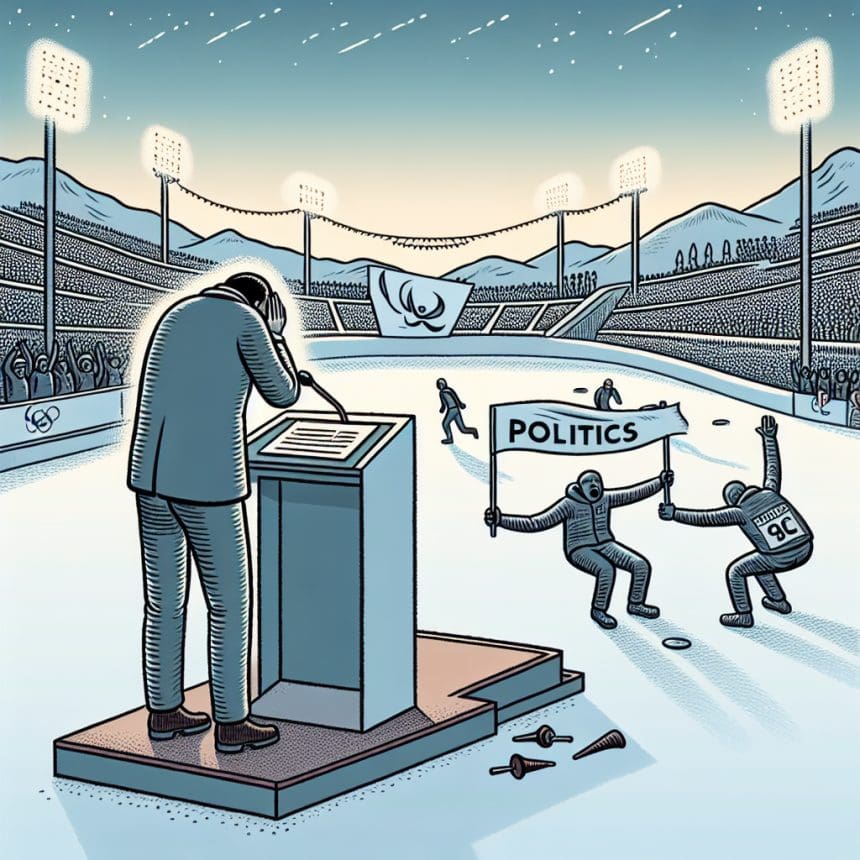
The IPC President’s comments come on the heels of heightened tensions between Ukraine and Russia. Athletes from Ukraine have been vocal about their experiences and challenges stemming from the war, advocating for international support and recognition of their plight. However, Parsons indicated that while awareness and advocacy are crucial, they should not detract from the essence of the Paralympic Games. "Our role is to promote inclusivity in sports, not politics," he emphasized.
The issue of politicization in sports is a long-standing one. Many sports organizations debate the fine line between athletes using their platforms to raise awareness and maintaining the integrity of sporting events. The 2026 Paralympics, which are expected to host over 1,500 athletes from more than 80 countries, will be specifically aimed at fostering unity and highlighting the capabilities of athletes with disabilities. Parsons underscored the belief that the Games should be a celebration of human potential, not a battleground for political conflicts.
What makes this situation particularly poignant is the commitment and bravery of the Ukrainian athletes. Many have had to train under challenging conditions, providing an inspiring narrative of resilience and determination. However, Parsons cautioned that the impact of their political engagements could overshadow their hard work and dedication. He urged the Ukrainian team to consider this perspective as they prepare for the upcoming Games.
Moreover, the IPC President mentioned ongoing discussions within the organization on how to support Ukrainian athletes effectively while maintaining the integrity of the Games. He acknowledged the emotional weight carried by these athletes, who have directly experienced the ravages of war, but reiterated that the IPC must remain impartial. "We are facing an unprecedented situation where empathy is key, but we must also protect the sanctity of the event,” he remarked.
As the Milan-Cortina Paralympics approach, stakeholders are becoming increasingly aware of the complexities surrounding international participation. The IPC is revisiting its strategies to ensure that athletes from conflict-impacted nations can compete without their political contexts overshadowing their athletic achievements. This strategy may involve enhanced mental health support and networking opportunities for athletes to share their stories in ways that do not disrupt the focus on sporting events.
In light of Parsons’ reflections, the Ukrainian Olympic Committee may need to reassess how it communicates its message. With rising concerns surrounding the politicization of sports, officials will likely engage in discussions on a unified approach that maintains both advocacy and athletic integrity.
The Milan-Cortina Paralympics is poised to be a crucial event for many nations, particularly for Ukraine. Athletes who are able to participate will be under tremendous pressure—both to excel in their competitions and to represent their country amidst a tumultuous political backdrop. Parsons’ comments highlight the delicate balance that must be struck between advocacy and competition, a theme that resonates across various sports disciplines.
While Parsons’ assertions may come as a surprise to some, they reflect an ongoing tension within sports regarding the intersection of activism and competition. As the international community watches closely, the IPC is urging athletes to prioritize their performance while still remaining true to their personal stories.
In the wake of this discourse, the IPC is expected to release a statement outlining its continued support for Ukrainian athletes while emphasizing the importance of focusing on sports throughout the upcoming Paralympic Games. Officials are optimistic that the findings from ongoing discussions will provide a pathway forward that honors the spirit of the Games.
The 2026 Milan-Cortina Paralympics will undoubtedly be a platform for showcasing the incredible talents and achievements of differently-abled athletes. However, as the IPC President pointed out, it is crucial for athletes, especially from politically charged environments, to navigate their roles with care and thoughtfulness.
As the Games inch closer, all eyes will be on how Ukrainian athletes respond to these challenges and the strategies they deploy to engage with the global audience. One thing remains clear: regardless of the political landscape, the true spirit of the Paralympic Games lies in celebrating the humanities, determination, and capabilities of its athletes. The coming year will likely shape how this narrative unfolds on the world stage.