How to Start Your Own Online Business in 2026: A Comprehensive Guide for New Entrepreneurs
(STL.News) Starting an online business has become one of the most accessible ways for people to build financial security, launch new ideas, and participate in the digital economy. As technology advances and barriers to entry continue to fall, more individuals are turning to online enterprises as side businesses, full-time careers, or even family-run ventures. Whether someone wants to sell products, offer specialized services, teach a skill, or create a digital storefront, the opportunities available today are broader and more achievable than ever.
In 2025, starting an online business no longer requires significant upfront investment, corporate-level infrastructure, or specialized technical knowledge. Instead, success depends on understanding the fundamentals: choosing the right model, validating the idea, building a brand, launching a professional website, and developing an effective marketing strategy. This article outlines a step-by-step overview for new entrepreneurs looking to build a successful online business from the ground up.
Understanding Today’s Online Business Landscape
The digital marketplace has matured into a globally connected economy where individuals can compete alongside major brands. Consumers have embraced online shopping, digital service providers, subscription models, and remote learning as everyday necessities. For those considering a new business, this shift presents a tremendous opportunity.
The strongest advantage of online entrepreneurship is flexibility. An individual can run a business from a home office, a shared workspace, or even a mobile device. Costs are low, scalability is high, and the ability to reach large audiences is unmatched by traditional brick-and-mortar businesses.

At the same time, competition across the digital marketplace has increased. New business owners must therefore build a brand that is purposeful, well-defined, and visible. A successful online business is not created by chance; it is built through strategy, planning, and continuous improvement.
Choosing the Right Online Business Model
The first major decision any entrepreneur must make is determining what type of business to start. The online marketplace offers many models, each with its own strengths and long-term potential.
E-Commerce Stores for Online Business
Selling physical products online remains one of the most popular models. Entrepreneurs can carry their own inventory, offer niche products, or develop branded items. Many start small with a single product line and expand as demand grows.
Dropshipping for Online Business
Dropshipping eliminates the need for inventory. Business owners list products online, and suppliers ship directly to customers. This low-risk model allows new entrepreneurs to focus on marketing rather than logistics.
Digital Products for Online Business
E-books, templates, online courses, downloadable guides, and software tools are increasingly profitable. Digital products require no physical inventory, making them highly scalable.
Service-Based Businesses for Online Business
Many entrepreneurs offer professional services online—such as writing, marketing, design, consulting, accounting, fitness coaching, or training. This model allows individuals to monetize personal skills and experience.
Affiliate Marketing for Online Business
Affiliate marketers earn commissions by promoting products or services from other companies. With strategic content creation, this can become a long-term, passive-income stream.
Memberships and Subscription Services
Paid communities, recurring subscription boxes, and digital memberships continue to grow in popularity. These models create reliable monthly revenue.
Content-Based Businesses
Blogging, podcasting, YouTube channels, and online newsletters form the backbone of many modern brands. These businesses often combine advertising revenue, sponsorships, affiliate marketing, and digital product sales.
The ideal business model depends on an entrepreneur’s skills, interests, and long-term goals. Some models require creativity, while others focus on systems, marketing, or technology. Choosing the right one is critical for long-term sustainability.
Online Business – Validating a Business Idea Before Launch
Once a business model is selected, the next step is to validate the idea. This process ensures there is actual demand and reduces the risk of launching something that fails to attract customers.
Validating an idea involves analyzing competitors, researching consumer behavior, identifying unmet market needs, and confirming that people are actively spending money on similar products or services. Entrepreneurs benefit from studying questions asked in public forums, reading customer feedback on similar businesses, and reviewing trending topics across digital platforms.
Strong competition is generally a good sign—because it indicates existing demand. The goal is not to avoid competition, but rather to enter the marketplace with a unique angle, improved service, better branding, or clearer customer targeting.
Online Business – Selecting a Profitable and Sustainable Niche
A niche is the specific segment of the market an online business will target. Successful niches solve a problem, meet a need, or appeal to a passionate audience.
Instead of entering broad categories such as “fitness,” “home décor,” or “beauty,” entrepreneurs are more successful when they specialize in a well-defined audience, such as:
- Fitness for new parents
- Home décor for small apartments
- Skincare for sensitive skin
- Productivity tools for remote workers
- Local SEO for restaurants
- Meal kits for busy families
Niches allow entrepreneurs to stand out, develop authority, and attract loyal customers. A strong niche also helps shape a clear brand message and marketing strategy.
Building a Strong and Memorable Brand for Your Online Business
A brand is more than a logo—it is the personality, promise, and perception customers attach to a business. When launching an online enterprise, building a consistent brand creates trust and differentiates a business from competitors.
Key elements of effective branding include:
- A clear business name
- A memorable logo
- A defined tone and messaging style
- A consistent color palette
- A clear explanation of what the business offers and why it matters
- Professional images and visual elements
- Social media handles that match the brand name
Branding sets expectations. Customers are more likely to buy from a business that appears trustworthy, organized, and aligned with their values.
Creating a Professional Website for Your Online Business
A website serves as the central hub of an online business. It showcases products, services, or content and gives customers confidence in the business’s legitimacy.
Business owners can choose from a variety of platforms depending on their goals:
- Shopify for robust e-commerce
- WordPress for content-heavy sites
- WooCommerce to add online shopping to WordPress
- Wix or Squarespace for simple service-based websites
- Kajabi or Teachable for online courses
- Specialized funnel platforms for lead generation and sales pages
A successful website must be fast, mobile-friendly, and easy to navigate. Essential pages include a homepage, an about page, a service or shop page, a contact page, and a blog for long-term SEO strategies. Policies such as terms of service and privacy notices help protect the business legally and demonstrate professionalism.
Developing Products or Services for Your Online Business
After the foundation is built, the next phase is creating what the business will offer.
For Product-Based Businesses
Entrepreneurs must find suppliers, order samples, test quality, set pricing, and prepare packaging and shipping procedures. Clear product descriptions and professional product photos help convert visitors into customers.
For Service Providers
Defining service packages, deliverables, timelines, and pricing is essential. Showcasing previous work, client testimonials, or case studies further strengthens credibility.
For Digital Creators
Digital products require planning, design, and testing. High-value content builds trust and encourages customers to purchase future products.
The key is to offer genuine value, solve a real problem, or provide a meaningful transformation.
Setting Up Payments and Basic Legal Structure
Most online businesses begin with simple payment processors such as PayPal, Stripe, or Square. These tools integrate easily with major website platforms and offer secure checkout experiences.
Legally, many entrepreneurs start as sole proprietors, then later form LLCs to limit liability as the business grows. Basic legal documents, such as terms of service, privacy policies, and refund policies, protect both companies and their customers.
Obtaining an Employer Identification Number (EIN) is free and helps separate business and personal finances.
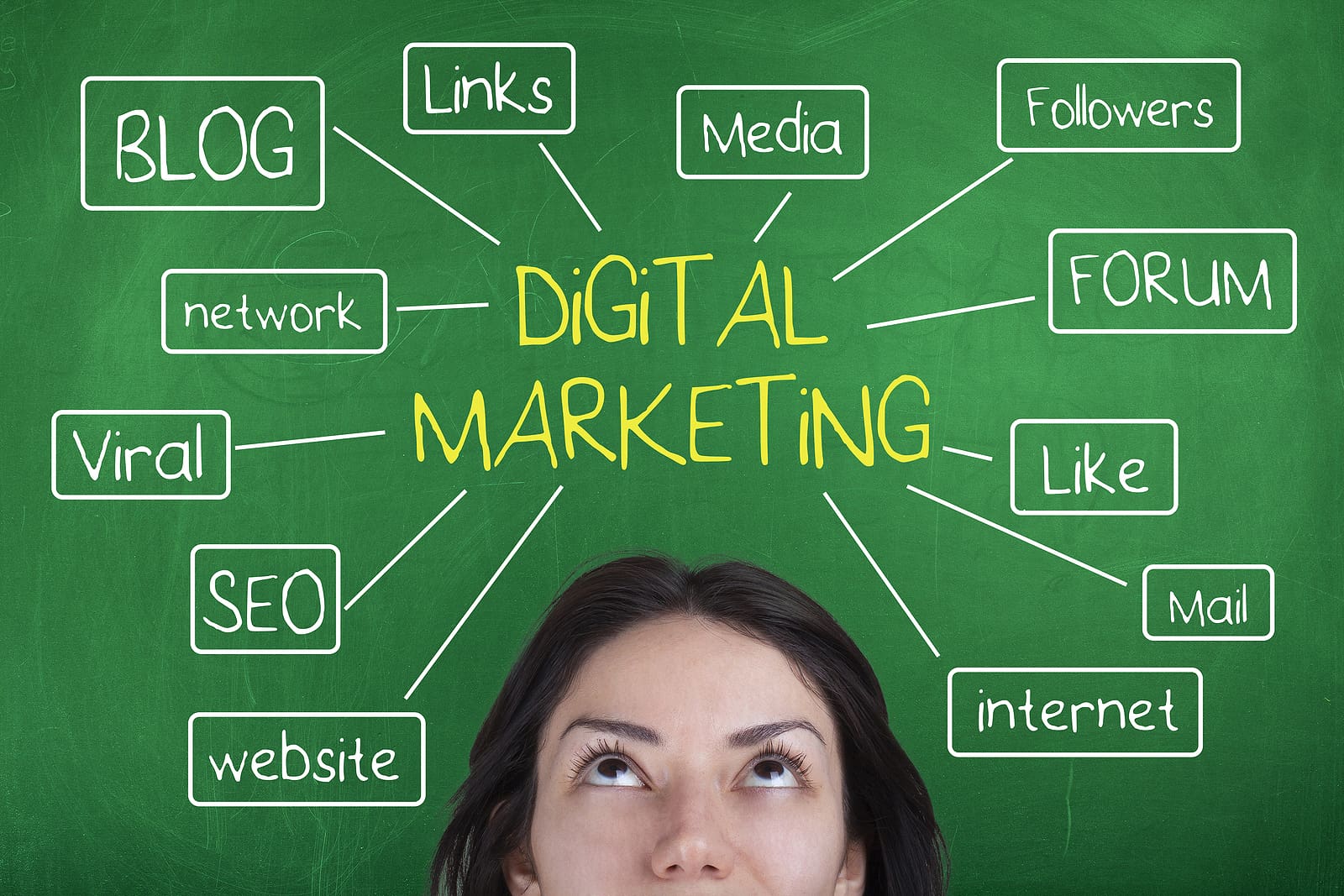
Driving Traffic and Reaching Customers
Traffic is the lifeblood of every online business. Without traffic, even the best-designed website will struggle to generate sales.
Entrepreneurs have several key channels to help reach potential customers:
Search Engine Optimization (SEO)
Publishing informative, keyword-rich content helps businesses gain visibility in search results. Over time, this becomes one of the most powerful long-term strategies.
Social Media
Platforms such as Instagram, TikTok, YouTube, LinkedIn, and Facebook allow businesses to build audiences quickly through educational content, storytelling, and product demonstrations.
Email Marketing
A well-crafted email list allows businesses to nurture relationships, announce promotions, and provide valuable updates.
Paid Advertising
Google Ads, Meta Ads, and other digital ad platforms help new businesses scale quickly if used correctly.
Guest Posts and Press Releases
Third-party publications provide exposure and strengthen a business’s credibility. Platforms such as STL.News offers valuable visibility for businesses that want local or national exposure.
Local Listings and Directories
Business directories enhance visibility, particularly for service providers, restaurants, and local product sellers.
A strong marketing mix combines multiple channels to ensure consistent, sustainable traffic.
Converting Visitors into Paying Customers
Once traffic arrives, the business must persuade visitors to become customers. Conversion depends on trust, clarity, and value.
Successful online businesses use:
- Clear calls-to-action
- Trust indicators, such as reviews or testimonials
- Secure payment gateways
- Professional images and descriptions
- Easy navigation
- Transparent pricing and policies
When visitors feel confident, they convert at significantly higher rates.
Scaling the Business for Long-Term Growth
After the business generates consistent sales, the next step is scaling. This involves expanding product lines, improving systems, adding automation, outsourcing tasks, and exploring partnerships.
Automation tools help manage repetitive tasks. Virtual assistants can support administrative work, customer service, or creative projects. Entrepreneurs may also introduce subscription models, recurring services, or additional digital products to increase revenue.
Scaling is a gradual process that builds on early success and turns small businesses into long-term enterprises.
Conclusion: The Future of Online Entrepreneurship
Starting an online business in 2025 is more achievable than ever. The digital marketplace rewards innovation, consistency, and strategic planning. Whether someone chooses e-commerce, services, digital products, or content creation, the path is open to anyone willing to learn, adapt, and take action.
For new entrepreneurs, the most important step is simply beginning. With proper planning, a strong brand, and ongoing marketing, an online business can evolve from an idea into a sustainable source of income and long-term opportunity. Additionally, it takes a lot of work to do it correctly and make a significant amount of money.
© 2025 STL.News/St. Louis Media, LLC. All Rights Reserved. Content may not be republished or redistributed without express written approval. Portions or all of our content may have been created with the assistance of AI technologies, like Gemini or ChatGPT, and are reviewed by our human editorial team. For the latest news, head to STL.News.