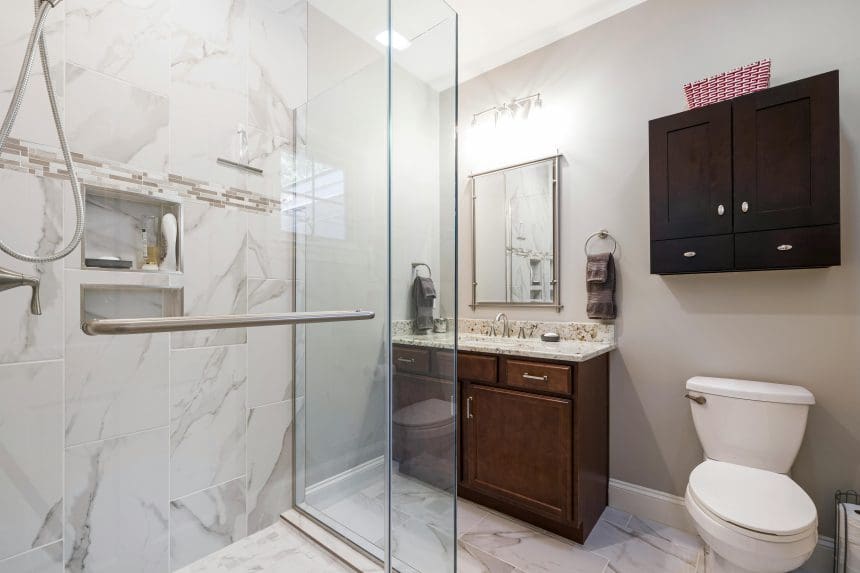
(STL.News) Bathroom frustration never announces itself. It doesn’t show up as one big problem you notice right away. It creeps in through repetition. You don’t think, “this bathroom is a problem”; you just start feeling annoyed more often than you expect, usually when you’re half-awake or trying to get out the door.
What makes it worse is how quiet it all is. No alarms. No obvious failures. Just little moments that repeat enough times to get under your skin. The room begins feeling tighter than it should. You don’t stop to analyze it. You just feel the drag.
Over time, those small frictions start shaping your day. You move faster than you want to. You rush even when you technically have time. The bathroom becomes a place you get through instead of a place that supports you.
Shower Issues That Turn into Daily Workarounds
Shower problems have a way of slipping into your routine without ever asking for attention. Water takes longer than it should to warm up. Temperature drifts just enough to be irritating. The spray never quite lines up where you want it, no matter how many times you adjust the head. None of it stops you from showering. You just start compensating without thinking.

That compensation becomes habit. You lean a certain way. You rush to rinse because you don’t trust the water to stay comfortable. You wait longer than you want to before stepping in. Since showers happen every day, sometimes more than once, the annoyance stacks quietly. That’s usually when people realize they’ve been working around the same issue for months and decide it’s time to call a bathroom remodeling contractor, not for anything flashy, but simply to make the shower feel reliable again instead of something you have to negotiate with every morning.
Counter Space That Keeps Disappearing
Bathroom counters don’t shrink overnight. They disappear slowly. One product gets added. Then another. Something stays out because you use it every day. Then something else joins it because there’s still room, technically.
At some point, you realize you’re moving things around just to wash your hands. Bottles get nudged aside. Items stack awkwardly. The counter stops being a surface and starts being a negotiation. You don’t remember when that happened. The space just wasn’t set up to handle how routines actually work. That mismatch shows up every single day.
Faucets That Splash No Matter How Careful You Are
Some faucets act like they’re actively working against you. You barely crack the handle open, try to be careful, keep your hands close to the basin, and somehow water still ends up everywhere it doesn’t belong. The counter gets speckled. The mirror catches a few drops. Every once in a while, you catch it on your shirt and just stand there for a second, wondering how that even happened.
It feels silly to be irritated by something so small, which is probably why it sticks around. You start wiping the sink more often than makes sense.
Lighting That Makes Faces Look Strange
Bathroom lighting looks fine until you’re standing there trying to get ready, noticing shadows in places that don’t exist anywhere else in the house. Overhead lights cast downward. Side lights hit unevenly. Your face looks tired even when you’re not.
It messes with timing. You spend longer checking things because you don’t quite trust what you’re seeing. You lean closer to the mirror. You shift positions. The light dictates the pace instead of supporting it, which feels backward for a space used so often.
Mirrors That Don’t Quite Work for Everyone
One mirror trying to work for everyone usually doesn’t. Someone is always adjusting posture. Someone else is bending slightly. Someone’s face sits just outside the ideal range.
You don’t think about it much until you catch yourself doing the same adjustment every day. It’s not wrong enough to fix immediately, but it’s wrong enough to be noticed. That quiet mismatch sticks around longer than expected.
Sink Basins That Are Shallower Than They Look
Shallow sinks seem fine until water starts going everywhere. You wash your hands and splash the counter. You rinse your face and end up with droplets in places they shouldn’t be.
You adjust how you use the sink instead of questioning the sink itself. Smaller motions. More careful angles. That adaptation becomes a habit, even though it requires effort where it should be automatic.
Dampness That Hangs Around Too Long
Some bathrooms never fully dry out. Steam lingers. The air feels heavier longer than it should. Towels stay damp. The room never quite resets between uses.
It’s not dramatic, just uncomfortable enough to notice. That lingering dampness changes how the space feels. You open doors, wait longer, and accept it instead of addressing it.
The Leaks You Keep Meaning to Deal With
Small leaks are easy to ignore. A drip here. A slow stain there. Nothing urgent enough to demand immediate action.
But they stay in your awareness. Every time you notice them, there’s a tiny spike of “I should handle that.” Those spikes add up. The issue isn’t the leak itself, but the repeated mental note that never gets cleared.
What To Do to Tackle All of This?
There’s usually a moment where you catch yourself adjusting for the bathroom again, and it just feels old. Not dramatic. You’ve already learned which faucet setting splashes less, which drawer you have to open slowly, and where to stand so the floor doesn’t feel weird first thing in the morning. None of that feels like a crisis, but it also doesn’t feel normal. That’s about when the idea of calling remodelers floats in, not as some big plan, more like a quiet thought of maybe this doesn’t have to stay like this. Someone who looks at bathrooms all day would probably notice things you stopped questioning months ago. And honestly, that sounds easier than continuing to build your routine around a room that never quite cooperates.
Bathroom frustration doesn’t come from one broken thing. It builds from repetition. From tiny adjustments your body and brain make without asking permission. They just sit there, quietly shaping your routine, until you finally stop and think, “Why does this feel harder than it should?”