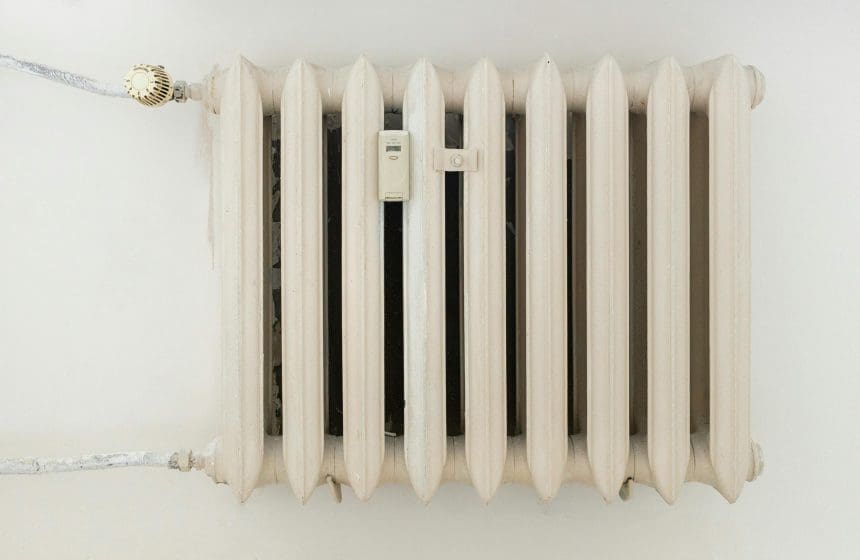
(STL.News) When was the last time your energy bill made you raise an eyebrow? For many homeowners, especially during long southern summers, the spike in costs seems to arrive with little warning. In places like Warner Robins, where temperatures swing fast and humidity lingers, energy use is a constant topic. People open their bills, sigh, and ask the same thing: how is this possible?
The answer is rarely simple. And that’s where most people go wrong. Energy efficiency is often treated like a light switch. Flip it on with new bulbs, maybe a smart thermostat, and you’re done. But it’s not a one-time fix. It’s a system of choices, habits, and upgrades that work together. In this blog, we will share what homeowners misunderstand about energy efficiency, what truly impacts performance, and how to make meaningful changes without guessing your way through.
Where the Myths Begin
Energy myths often start with oversimplified advice. Online tips promise big savings from small tweaks, but those fixes rarely tell the full story. Sealing windows helps, but an outdated or poorly maintained HVAC system cancels out the gains.
Many homeowners also think efficiency means using less, when it actually means getting the same or better comfort with fewer resources. The “set it and forget it” thermostat idea adds to the confusion, since poor airflow, dirty filters, or unbalanced ducts can force systems to work harder even when settings stay the same.

What Real Efficiency Looks Like
This is where a trusted expert matters. If you’re working with One Hour Heating & Air Conditioning® of Warner Robins, you already know the value of pairing equipment with expertise. Their technicians understand that an efficient system starts with precise installation and continues with smart upkeep. They work with homeowners to tailor systems to actual needs, not just square footage or outdated building specs.
If you’re shopping for HVAC services, don’t only ask about equipment. Ask about how it’s sized. Ask how air movement is tested. Ask if the ductwork was inspected. These are the quiet variables that make or break efficiency.
Another overlooked factor is how systems age. A unit that worked perfectly five years ago may now be costing you hundreds in waste. The energy loss isn’t always dramatic at first. But gradual wear on components, like the compressor or fan motor, slowly reduces output while increasing power use. You don’t always feel it in comfort, but you definitely pay for it.
The Role of Habits and Household Design
Some homeowners over-rely on appliances and underuse design. Ceiling fans, for instance, can allow you to raise your thermostat by several degrees without losing comfort. Natural shading, well-placed curtains, and reflective roofing materials all ease the load on your HVAC. These aren’t modern inventions. They’re time-tested methods that work well when paired with technology.
Daily habits matter too. If you’re constantly adjusting the thermostat throughout the day, the system never gets a rhythm. It cycles erratically, using more energy and wearing out faster. A better plan is to set smart zones and automate them. Consistent settings save energy and extend equipment life.
Even how you manage your laundry or dishwasher use can impact the overall load. Running appliances during cooler times of day helps reduce the heat added indoors. Small choices, over time, create a more efficient routine.
Common Mistakes You Can Avoid
Let’s clear up a few frequent missteps:
- Ignoring maintenance: Dirty filters, low refrigerant, or blocked vents can cut efficiency by 15% or more. These issues also make systems wear out faster, leading to costly repairs sooner.
- Overcooling or overheating: Setting the thermostat lower doesn’t cool faster. It just runs longer. This puts extra stress on the system, which shortens its lifespan over time.
- Skipping duct inspections: Poorly sealed or leaky ducts can waste up to 30% of conditioned air. That wasted air means you’re paying to cool spaces you don’t even use.
- Choosing the cheapest replacement unit: Upfront savings often cost more long-term through inefficiency. Higher-efficiency systems may qualify for rebates and lower utility bills.
- Misplacing thermostats: If yours sits in direct sunlight or near an appliance, readings will be off. This causes uneven cooling or heating and confuses your HVAC system into overcompensating.
Efficiency isn’t about perfection. It’s about tightening up the places where energy is lost and comfort is compromised.
Why It Matters More Now
Energy costs are rising. So is demand. With more people working from home, households are running heating and cooling systems more than ever. At the same time, climate concerns have made carbon footprints a hot-button issue. And utility companies are adjusting pricing models to reflect peak usage. That means how and when you use energy affects your costs more than ever.
Local governments are also offering rebates and tax credits for efficient systems. But they usually require certified installation or inspection to qualify. If you’re not working with a licensed provider, you may be leaving money on the table.
More broadly, investing in energy efficiency isn’t just about bills. It’s about comfort, health, and property value. A well-maintained, properly sized HVAC system can improve air quality, reduce allergens, and even extend the life of your home by managing moisture better.
The bottom line? Many homeowners chase energy savings in all the wrong places. They chase gadgets, set impossible thermostat goals, or ignore basic maintenance, hoping for better results. But the path to real savings is smarter, not harder.
Start by understanding where your home loses energy. Talk to professionals who look beyond quick fixes. Use tools that give you long-term control. And rethink efficiency as a system, not a slogan.
The more you see energy as part of your home’s story, the better your results will be. Energy efficiency is not just about cutting costs. It’s about living comfortably, sustainably, and with fewer surprises. That’s something every homeowner can get behind.