Headline: Grizzly Bear Shot Dead in Alberta: Public’s Help Needed
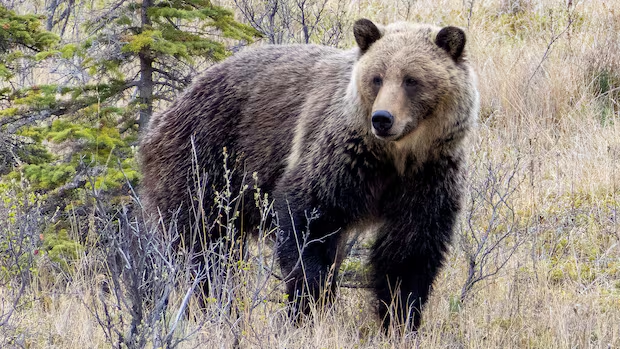
Alberta wildlife officers are investigating the tragic death of a grizzly bear discovered with a single gunshot wound near Kananaskis Country on Tuesday evening. The bear, a mature male, was found by park rangers who quickly alerted the authorities. Officials are urging the public to assist in uncovering the circumstances leading to the bear’s untimely demise, emphasizing the importance of wildlife conservation and the need to protect Alberta’s natural ecosystems.
Authorities have stated that the bear appeared to have been shot within the last few days, indicating that the incident is likely recent. Animal welfare advocates are expressing outrage over the shooting, highlighting the grizzly bear’s status as a species at risk in the province. Conservationists warn that the loss of such apex predators can disrupt the ecological balance, making this incident not just a tragic event but a significant ecological concern.
This unfortunate development has prompted Alberta Environment and Protected Areas (AEPA) to launch a thorough investigation. Wildlife officers are currently reviewing the area for additional evidence and any signs that may reveal the circumstances surrounding the bear’s death. They encourage anyone with information—especially those who may have been in the area recently—to come forward. Tips can be submitted anonymously through the provincial hotline, ensuring that all leads are considered.

Ken McKenzie, a wildlife biologist with AEPA, expressed his frustration over the incident. “This is a senseless loss for our wildlife. Grizzly bears play a vital role in maintaining ecosystem balance, and losing them to acts of violence is unacceptable,” he stated. “We hope the community will unite to assist in our investigation.”
Grizzly bears, considered a keystone species, are crucial for maintaining the health of their habitats. They help disperse seeds and regulate prey populations, contributing significantly to the biodiversity of Alberta’s forests. The province has experienced ongoing debates regarding the management of its grizzly population, particularly as habitat loss and human assaults on wildlife continue to pose serious threats.
In addition to investigating the bear’s death, the AEPA is re-evaluating its safety protocols and educational outreach to educate the public about interactions with wildlife. Many residents and visitors to Alberta’s natural parks are unaware of the laws protecting these animals, and AEPA officials are stressing the importance of responsible wildlife viewing.
Members of the public are encouraged to educate themselves about the regulations in place for interacting with wildlife, particularly with the high number of tourists that visit Alberta each year. They are reminded that it is illegal to harm any protected species and that violations could lead to serious penalties under provincial and federal wildlife laws.
Local conservation groups have expressed their intentions to collaborate with the authorities to provide additional support and awareness regarding grizzly bear protection. “We need to advocate for our wildlife and ensure that these bears have the space and safety they deserve,” said Carla Gibson, director of Wildlife Protectors. “This bear should still be roaming free, contributing to the ecosystem we all share. It’s imperative that we come together as a community to safeguard our wildlife heritage.”
The incident serves as a harsh reminder of the ongoing challenges wildlife faces in human-populated areas. Conflicts arise when bears venture into urban environments searching for food, often leading to negative encounters. The public is urged to properly dispose of garbage and avoid leaving food items outdoors, which can attract bears and increase the risk of dangerous interactions.
As Alberta wildlife authorities continue their investigation, they hope to find those responsible for this tragic event and bring them to justice. The public’s assistance is invaluable, and officials are appealing to anyone who may have seen or heard anything related to the bear—whether its movements, sightings prior to its death, or any suspicious behavior in the area.
In response to growing concerns around wildlife conservation in Alberta, various initiatives are underway to raise awareness, not just about grizzly bears but about all of the province’s diverse wildlife. Programs will focus on educating the public about the essential role that grizzly bears play in maintaining healthy ecosystems and will strive to foster a stronger community connection to wildlife.
As communities rally for justice for the fallen bear, discussions about best practices for coexisting with wildlife are more important than ever. Alberta’s majestic landscapes are home to many wildlife species, and it is crucial that they are treated with respect and protected from harm.
For those looking to contribute to wildlife conservation efforts, various organizations welcome donations, volunteers, and advocacy. Engaging in local discussions about wildlife protection, attending workshops, and spreading awareness can create a positive shift towards the safety and preservation of Alberta’s natural inhabitants.
Investigators are hopeful for swift progress in resolving the case, and with public assistance, they aim to ensure that incidents like this do not happen again. The health of Alberta’s ecosystems depends on the survival of its apex predators, and every effort counts toward making a difference.
Anyone with information on the grizzly bear’s death can contact the Alberta Environment and Protected Areas at their wildlife tip line. Together, the community can help protect these magnificent creatures and secure a safer future for wildlife throughout the province.
By raising awareness about the consequences of wildlife crime and prioritizing conservation, Albertans can foster a shared responsibility for the natural splendor surrounding them. Through collective action, the investigation into this tragedy aims not only for justice for the slain bear but also for a renewed commitment to protecting the wildlife that thrives within Alberta’s breathtaking landscapes.