Daily Life in Iran: Fear and Intimidation Amidst Conflict
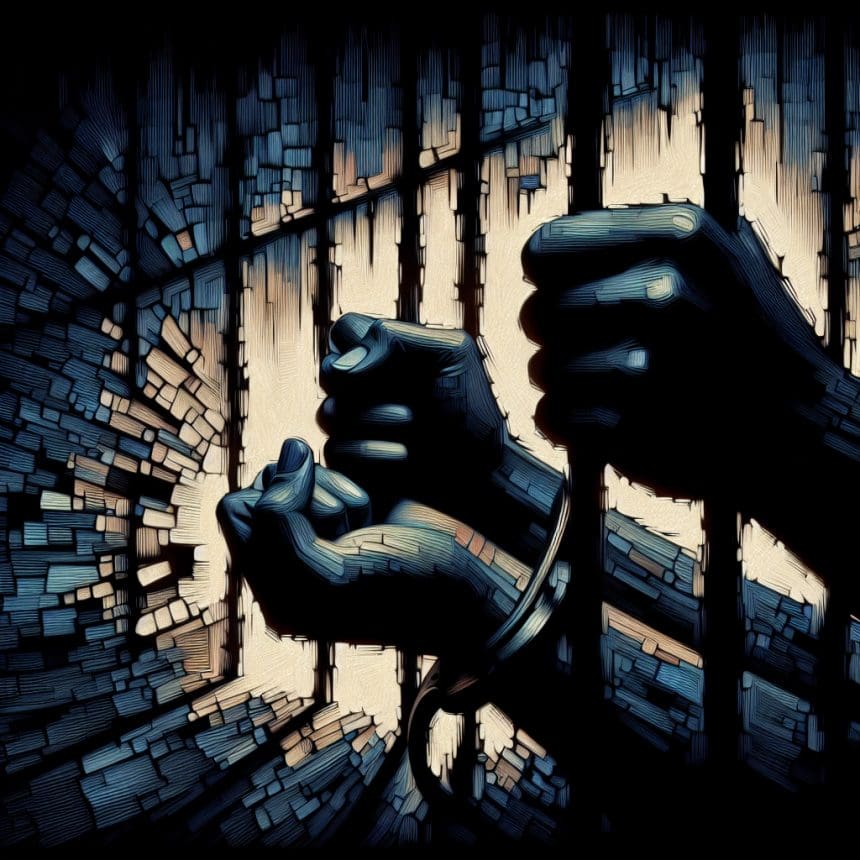
In the midst of ongoing unrest and escalating conflict, daily life in Iran is becoming increasingly shaped by fear, arrests, and a climate of intimidation. Citizens across the country grapple with the consequences of heightened scrutiny from authorities, as protests and dissent give way to a culture of anxiety and uncertainty. Over the past few months, reports from Tehran and other major cities reveal a troubling pattern: many Iranians fear reprisal for expressing their views, leading to widespread self-censorship and diminishing public discourse.
The backdrop to this pervasive fear is the ongoing conflict that has gripped the nation, as socio-economic struggles intertwine with political dissension. The Iranian government, facing mounting pressure both from within and outside its borders, has intensified crackdowns on dissenters. These actions come in response to protests against government policies, economic hardship exacerbated by sanctions, and calls for social reforms, all of which have been met with an aggressive stance by authorities.
In recent weeks, human rights organizations have reported a surge in arbitrary arrests as security forces target not only known activists but also everyday citizens expressing discontent. Reports indicate that many are detained simply for participating in peaceful protests or for voicing their opinions on social media. Additionally, stories of intimidation tactics employed by government agents to stifle dissent have begun to emerge, with many fearing for their safety and that of their families.
The psychological toll of this climate is profound. “People are afraid to speak out, even in private,” says one Tehran resident who wished to remain anonymous for fear of repercussions. “Everybody is watching, and the consequences are severe.” Families are forced to balance their political beliefs with the safety of their loved ones and their own livelihoods, making for a daily existence fraught with tension.

Crossing the boundaries of freedom of expression, the Iranian government’s approach to dissent has roots in a longstanding pattern of repression, dating back to previous regimes. However, as social media has allowed for more rapid dissemination of information, the authorities have found themselves in a precarious position. The very platforms that could mobilize support for reform are now sites of surveillance, creating a chilling effect on public dialogue.
International observers note that the government’s heavy-handed approach is not merely about quelling protests but also about maintaining a broader grip on power. “These arrests are a warning,” explains one political analyst based in Europe. “The regime wants to make it clear that any form of dissent will not be tolerated, irrespective of its size or form.” The atmosphere of fear has effectively curtailed the vibrant discussions that once characterized Iranian society, leading to an eerily quiet public sphere.
A notable aspect of this climate is the targeting of women, who have historically played a significant role in the fight for rights and reforms in Iran. Many women are now facing increased scrutiny, with some being arrested for actions deemed politically provocative. Demonstrations advocating for women’s rights, which had gained momentum in recent years, are becoming rarer as the fear of arrest looms larger.
Communities across Tehran, Mashhad, and Isfahan have witnessed a notable chilling effect. While smaller protests continue to occur, many citizens have retreated into silence, choosing to abstain from public displays of dissent. The unique challenges faced by citizens in rural areas highlight the divide in responses to governmental pressure. In some regions, fear is compounded by a lack of access to information and resources, leaving many vulnerable to the regime’s intimidation tactics.
As international observers maintain focus on the situation in Iran, the potential for dialogue appears stifled. Western nations have voiced concerns about human rights violations, but the Iranian government remains defiant, sometimes dismissing external criticisms as imperialistic meddling. This stance not only perpetuates the cycle of fear but also fosters an environment where dissent becomes synonymous with treason.
In navigating daily life, many Iranians find themselves balancing their desire for change with the stark reality of governmental repression. The impact of arbitrary arrests is far-reaching; families often do not receive information about detainees for days, and legal avenues for representation are frequently stymied. This leaves many citizens grappling with feelings of helplessness and anxiety.
Nevertheless, glimmers of hope persist among those who believe in the possibility of change. Grassroots movements have begun to emerge, often organized in secret to minimize the risk of detection. Digital communication channels continue to play a vital role in organizing vocal dissent, and while online protests may be met with crackdown, they are a testament to the resilience of those longing for reform.
As Iran’s struggles unfold, the international community watches closely, advocating for human rights and pressuring the government to cease its oppressive tactics. It remains to be seen how the Iranian regime will respond to mounting domestic and international pressure, but the hope for a shift toward reform persists amid the fear and uncertainty that now characterize the lives of Iranians.
The ongoing conflict in Iran reveals a deeper struggle—a societal battle that weighs heavily on individual citizens. As fear, arrests, and intimidation take root in the collective psyche, the potential for a transformative movement becomes increasingly tenuous. For now, Iranians navigate a treacherous political landscape, grappling with the dualities of hope and despair as they strive for a better tomorrow amidst the shadows of fear.