Headline: Former DC Officer Charged with Assaulting 10 Women
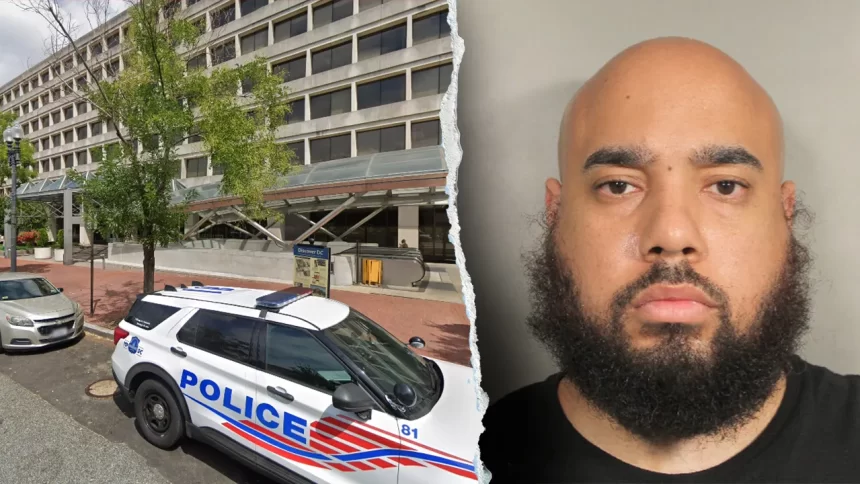
In a shocking development, former Washington, D.C. police officer Timothy Valentin has been charged with assaulting ten women over a span of several years, sparking outrage and renewed calls for reform within the police force. The allegations, which surfaced this week, paint a troubling picture of misconduct and abuse of power in a position meant to protect citizens.
Valentin, 35, who served with the Metropolitan Police Department (MPD) for over a decade, was arrested following an extensive investigation that involved multiple law enforcement agencies and victim testimonies. The assaults reportedly occurred between 2016 and 2022, with the victims spanning various backgrounds and ages. According to prosecutors, many of the incidents took place while Valentin was on duty, raising grave concerns about the behavior of those sworn to uphold the law.
The allegations have drawn immediate public scrutiny and condemnation from community leaders and advocacy groups. Eyewitness accounts indicate that Valentin exploited his badge to intimidate women, often using his authority to gain their trust before committing acts of violence. The unnerving nature of the charges has amplified fears and distrust among residents who rely on the police for safety and protection, illustrating a crisis of confidence in law enforcement in the nation’s capital.
One of the most chilling elements of the case is the pattern of behavior described by these women. Several victims have come forward, sharing harrowing experiences of assault and intimidation that they faced from Valentin. Many reported feeling isolated and powerless, fearing retaliation if they chose to speak out. “I thought he would protect me,” one victim stated in an emotional interview, “but instead, I found myself victimized by the very person who was meant to enforce the law.”

Legal experts emphasize the severity of the charges and the potential ramifications for Valentin. He faces multiple counts of sexual assault, harassment, and aggravated battery, with each count carrying significant penalties. If convicted, he could face years behind bars. Potential sentencing could include extensive prison time, mandatory counseling, and registration as a sex offender, which would not only impact his future but also serve as a stark reminder of the consequences of police misconduct.
In response to the scandal, the Metropolitan Police Department has issued a statement affirming its commitment to transparency and accountability. “The conduct alleged against Mr. Valentin is intolerable,” the statement read. “We are working closely with the appropriate authorities to ensure that justice is served and that all victims feel safe to come forward.” The department has also announced plans for an independent review aimed at addressing the systemic issues that may allow such behavior to persist.
Community leaders are calling for revamped training programs within the police force, particularly focusing on ethics, accountability, and handling interpersonal interactions with the public. Advocacy groups are pushing for legislative changes that would more strictly regulate off-duty conduct by law enforcement officers, stressing that such initiatives are essential to restore public trust and ensure justice for victims.
The situation has also prompted discussions about the broader implications of police culture in America. Critics argue that this incident is emblematic of a systemic issue within law enforcement, characterized by a culture that sometimes prioritizes loyalty over accountability. As protests against police brutality and calls for reform have dominated headlines in recent years, cases like Valentin’s further highlight the urgent need for significant changes in policing practices.
Social media has played a crucial role in amplifying awareness about the issue, with hashtags associated with the incident quickly gaining traction. Many individuals have taken to various platforms to share their personal experiences with law enforcement and discuss the necessity of comprehensive reform within the system. These conversations are fostering a sense of solidarity among victims and advocates, creating a movement that seeks to empower those who have faced abuse of power within law enforcement.
As the case unfolds, many are watching closely to see how the judicial system will handle the accusations against Valentin. The trial could serve as a pivotal moment in highlighting the challenges that victims face in seeking justice, as well as the obstacles endemic to changing police culture. Legal observers believe that a conviction could set a precedent and signal to other victims that they can come forward without fear of retribution.
Timothy Valentin is currently held without bail, pending his court appearance scheduled for next month. Public sentiment is strongly against him, and many anticipate a substantial media presence during the proceedings. As more details emerge, the case is poised to draw national attention, potentially reigniting discussions surrounding policing, victim rights, and necessary reforms in law enforcement.
This distressing episode raises critical questions regarding accountability and the safety of women in society. As the investigation continues, advocates are hopeful that the bravery of these ten women will catalyze broader changes within the police force, ensuring that no one else has to endure similar experiences.
In conclusion, the charges against Timothy Valentin have not only shaken the local community but also ignited a dialogue about the complexities of power, trust, and the role of law enforcement in American society. As the case progresses through the legal system, many will be looking for clarity and resolution—while recognizing that systemic change is imperative to prevent future abuses. The unfolding story of this former officer serves as a cautionary tale and a call to action for individuals and institutions alike.