(STL.News) A sudden fall, chest pain, or lack of balance may transform an ordinary day into a crisis in seconds, especially with seniors living on their own. Meanwhile, families are often concerned about delayed medical help when no one is around. Weather conditions, mobility difficulties, and chronic health risks add to concerns for several households across Canada.
However, the modern monitoring solutions now make it possible to ask for help instantaneously, whether at home or outdoors. As a result of this, seniors stay independent while families gain peace of mind through support systems.
This article explains how emergency monitoring systems work in Canada and what you should know before choosing one for your household.
How Emergency Monitoring Systems Work?
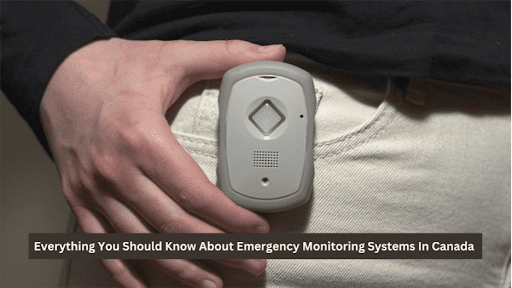
Modern emergency monitoring systems in Canada are designed to help people have instant access to professional help in a medical or personal emergency. In most cases, users wear a lightweight pendant or wristwear element with a help button. When pressed, the device is connected with a monitoring center with trained professionals working 24*7.

Consequently, operators immediately determine the situation using two-way communication and call for emergency personnel or designated family members if the necessity arises. Many systems also feature fall detection technology that automatically generates alerts in case of a fall when a user fails to press the button.
Furthermore, these systems work through landline, cellular, or GPS connections, which provide reliable coverage inside or outside the home. Therefore, assistance is accessible wherever the user goes, significantly reducing response delays during critical times.
Key Features You Should Expect
While different devices vary, well-functioning monitoring systems are equipped with several key qualities to make a system safer and more usable. First, water-resistant wearable devices enable seniors to ask for help even in the bathroom, where many accidents happen. Further, long battery life reduces the issue of maintenance.
Meanwhile, modern systems increasingly have automatic fall detection, GPS tracking, and mobile connectivity features. These additions make sure help is available beyond the home to support active lifestyles without sacrificing security.
Another important feature consists of two-way voice communication directly through the device or base station. This enables operators to evaluate situations clearly and send the appropriate assistance in a timely manner. As a result, response accuracy is enhanced, and unnecessary panic or confusion is reduced in emergencies.
Why These Systems Matter for Canadian Households?
Canada’s aging population and various climate conditions pose particular safety issues. Winter weather conditions, slippery walkways, and shorter days of the year mean higher fall risks, especially for seniors who live on their own. Therefore, having immediate access to emergency support is of particular value.
Moreover, many seniors prefer to live in their homes instead of transferring to assisted living facilities. Monitoring systems facilitate this preference by providing protection while preserving independence. Families, in the meantime, receive comfort knowing that help is available at any moment.
Additionally, healthcare services are often in high demand in many regions. Faster emergency notification through monitoring systems can help to ensure faster intervention, with the potential to decrease complications and recovery time after incidents. As a result, these systems have an increasingly larger role in home-based senior safety strategies.
Choose Right Type of Monitoring System
Selecting the right system is dependent on lifestyle, mobility, and living environment. For example, people who stay home most of the time may associate with traditional home-based units connected via landlines or cellular networks.
On the other hand, seniors who travel a lot or like to be outdoors benefit more from mobile GPS-enabled systems. These devices allow protection when walking, shopping, or traveling to ensure emergency help is still accessible.
Additionally, comfort and simplicity should be the main guides to your decision. Devices should be lightweight and very easy to wear every day. Meanwhile, the setup and operation need to be simple enough that users feel comfortable operating them during stressful moments. Therefore, testing of usability before final selection often helps avoid future difficulties.
Understand Monitoring Services and Response Quality
The quality of the device alone does not ensure good emergency assistance. Instead, monitoring centers are an important part of the fast, accurate responses. Reliable services employ trained professionals who are available around the clock to take care of emergency situations in a calm and efficient manner.
Furthermore, operators generally have up-to-date emergency contact lists and medical information so they can quickly convey necessary information to the respondents. This preparation helps in improving the emergency outcomes when every minute counts.
Consistency of response time is also important. Systems connected to professional monitoring centers reduce delays as compared to relying solely on neighbors and family contacts. Consequently, users enjoy organized professional support instead of uncertain assistance in times of urgency.
Final Thoughts
Emergency monitoring systems have evolved into practical safety tools that support independent living while ensuring quick access to help during emergencies. Through wearable devices, fall detection, GPS tracking, and professional response services, these solutions provide protection both inside and outside the home, helping seniors move confidently through daily routines.
At the same time, selecting the right system involves understanding features, service quality, and lifestyle needs rather than focusing only on cost. Evaluating coverage, device comfort, and response reliability helps families choose solutions that match everyday living situations while maintaining long-term safety and independence.
Ultimately, when properly chosen, monitoring systems create a balance between freedom and security, helping seniors live actively while ensuring assistance is always within reach when needed.
© 2026 – St. Louis Media, LLC d.b.a. STL.News